How to Whip Cream Perfectly in an Ice-Cold Bowl (Beginner Tips)
You’re minutes away from finishing a cake. The layers are ready. The filling looks good. But the cream refuses to thicken. Or worse, it suddenly turns grainy and stiff. That moment sends many homebakers back to search engines, typing how to whip cream and hoping for a fix before dessert time. The good news? Perfect whipped cream isn’t about strength or speed. It’s about temperature, timing, and restraint. Once those three fall into place, whipping cream stops feeling unpredictable and starts feeling easy. And yes, an ice-cold bowl really does change everything.
Why Cold Tools Make or Break Whipped Cream
Here’s the trick. Fat whips best when it’s cold. Warm cream struggles to trap air, which means no volume and no structure. That’s why the best temperature to whip cream sits between 2°C and 5°C.
Start with the basics:
- Chill the cream for at least 24 hours
- Place the bowl and whisk in the freezer for 15–20 minutes
- Use a metal bowl if possible,it holds cold better than glass
That answers a common question about the best bowl for whipping cream. Stainless steel wins every time.
But don’t freeze the cream. Semi-frozen cream won’t whip evenly. You’ll see lumps before volume. That’s not what you want.
And don’t skip chilling the whisk. Small detail. Big difference.
Additionally, when the stainless steel bowl is placed in another bowl that holds ice, this keeps the cream nice and cold, ideal for whipping at its optimal capacity. This is a trick that every homebaker uses. Additionally, placing the stainless steel bowl over a larger bowl filled with ice helps keep the cream thoroughly chilled, creating the ideal conditions for whipping it to maximum volume and stability. It’s a simple yet highly effective technique trusted by home bakers and professionals alike.
How to Whip Cream at Home Without Overdoing It
Many beginners assume speed equals success. It doesn’t. Controlled movement matters more.
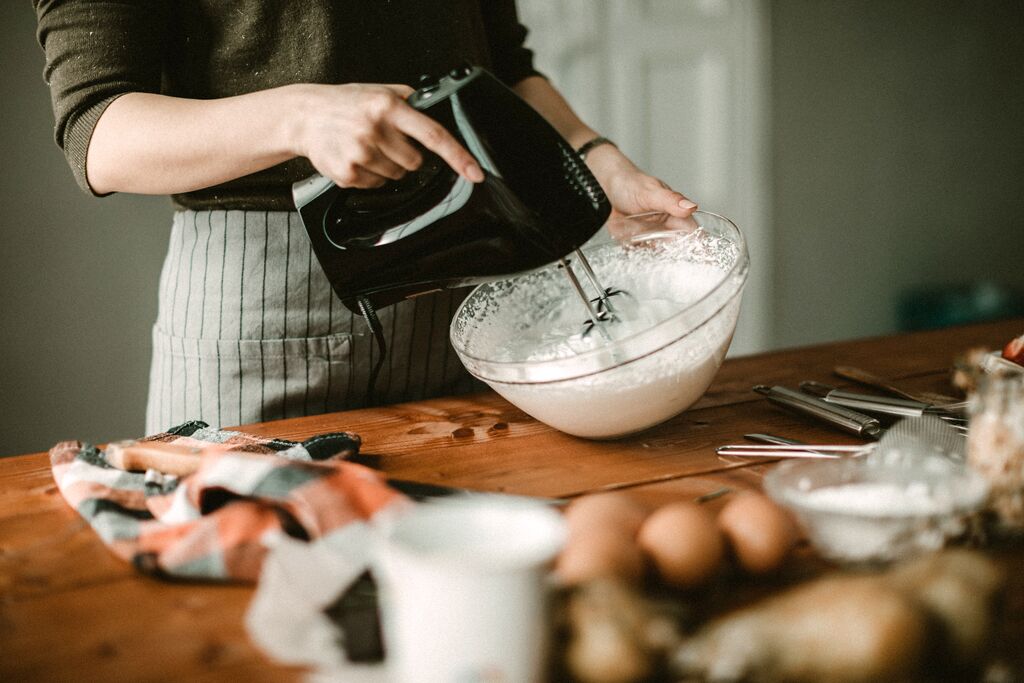
To whip cream at home, pour 1 cup (240 ml) of cold whipping cream into the chilled bowl. Start mixing at medium speed. After about 30 seconds, the cream will loosen and foam slightly. Keep going.
At around 90 seconds, you’ll notice trails forming. Soft peaks appear soon after. This is where attention matters.
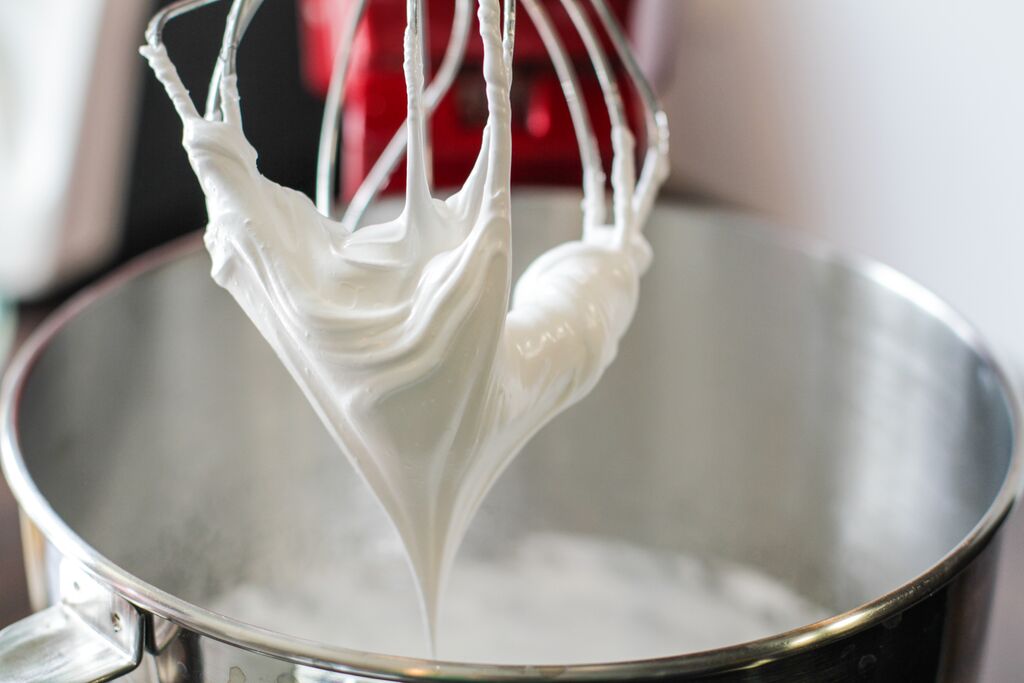
Not sure when it’s done? Stop the mixer and lift the whisk. If the peak bends gently, you’ve reached soft peaks. For cakes and piping, continue another 10–20 seconds until the peak stands upright but still looks smooth.
That’s how long it takes to whip cream correctly. Usually 2 to 3 minutes, depending on speed and temperature.
So don’t walk away. Cream won’t wait.
How to Whip Cream Perfectly (Without Fear)
The key to how to whip cream perfectly lies in knowing when to stop. Over-whipping happens fast. One moment it’s fluffy. The next it is grainy or runny.
If the cream looks slightly curdled but still moist, stop immediately. Fold gently with a spatula. Often, that’s enough to save it.
But if it’s gone too far, don’t panic. How to fix over-whipped cream is simple. Add 1–2 tablespoons of cold unwhipped cream and fold slowly. Texture usually recovers.
And don’t over-sweeten early. Add sugar only after soft peaks form. Use 1 tablespoon of icing sugar per cup of cream. Sugar too soon delays whipping.
That’s why whipping cream for beginners feels tricky at first. Timing matters more than force.
Keeping Whipped Cream Stable for Cakes and Desserts
Whipped cream looks perfectly fresh. But how long does it last?
Without stabilisers, whipped cream holds for about 2–3 hours at room temperature and 24 hours refrigerated. To extend this, the structure needs support.
Here’s how to keep whipped cream stable:
- Add ½ teaspoon cornflour mixed with sugar
- Or use 1 teaspoon gelatin bloomed in cold water, then melted and cooled slightly
- Whip at low speed once the stabiliser is added
Temperature matters again. Store whipped cream at 4°C. Avoid open containers. Air dries it out.
As for non-dairy whip toppings, Rich’s offers a range of toppings that are ready-to-whip and use. No sugar needs to be added, no stabilizers and no extra effort. With Rich’s dairy and non-dairy whip toppings, you get smooth texture, fluffy, airy whip topping that’s ideal for icing and decorating. The dairy whip topping by Rich’s offers 35% milk fat, and is dense in texture as a dairy cream out to be.
Rich’s whip toppings are designed to be used in A/C & non-A/C kitchens, and they perform perfectly well in both. Serve quality cakes and desserts to your customers with Rich’s bakery ingredients, and your customers will keep asking for more.
Common Cream Whipping Problems (and Quick Fixes)
But what if things still go wrong?
- Cream won’t thicken: Too warm. Chill everything again.
- Grainy texture: Over-whipped. Fold in fresh cream.
- Flat flavour: Add vanilla after soft peaks, not before.
Wondering why the texture’s off even though the timing seemed right? Fat percentage is often the issue. Not all creams are meant for whipping.
Final Takeaway: Cold, Calm, and Controlled Wins
Perfect whipped cream doesn’t require experience. It requires attention. Keep everything cold. Watch the texture. Stop early rather than late. Once you understand how to whip cream, consistency follows naturally. Whether topping cakes, filling pastries, or finishing desserts, a chilled bowl and steady hand make all the difference. Practice a few times, and whipping cream won’t feel stressful. It’ll feel familiar.
Baking Questions Answered: Whipped Cream Edition
1. How does chilling the bowl and whisk affect whipped cream results?
Cold tools keep fat solid longer, allowing better air incorporation and more stable peaks.
2. How long can whipped cream stay stable after whipping?
Unstabilized cream lasts 2–3 hours at room temperature and up to 24 hours refrigerated. Stabilised versions last longer.
3. What are common mistakes when whipping cream, and how can they be avoided?
Warm tools, over-whipping, adding sugar too early, and using utensils at room temperature are the most common issues.
4. Can cream be used for both sweet and savoury recipes?
Yes. Skip sugar for savoury dishes and whip to soft peaks only.