
Cream Cheese Frosting: Common Mistakes & How to Fix Them
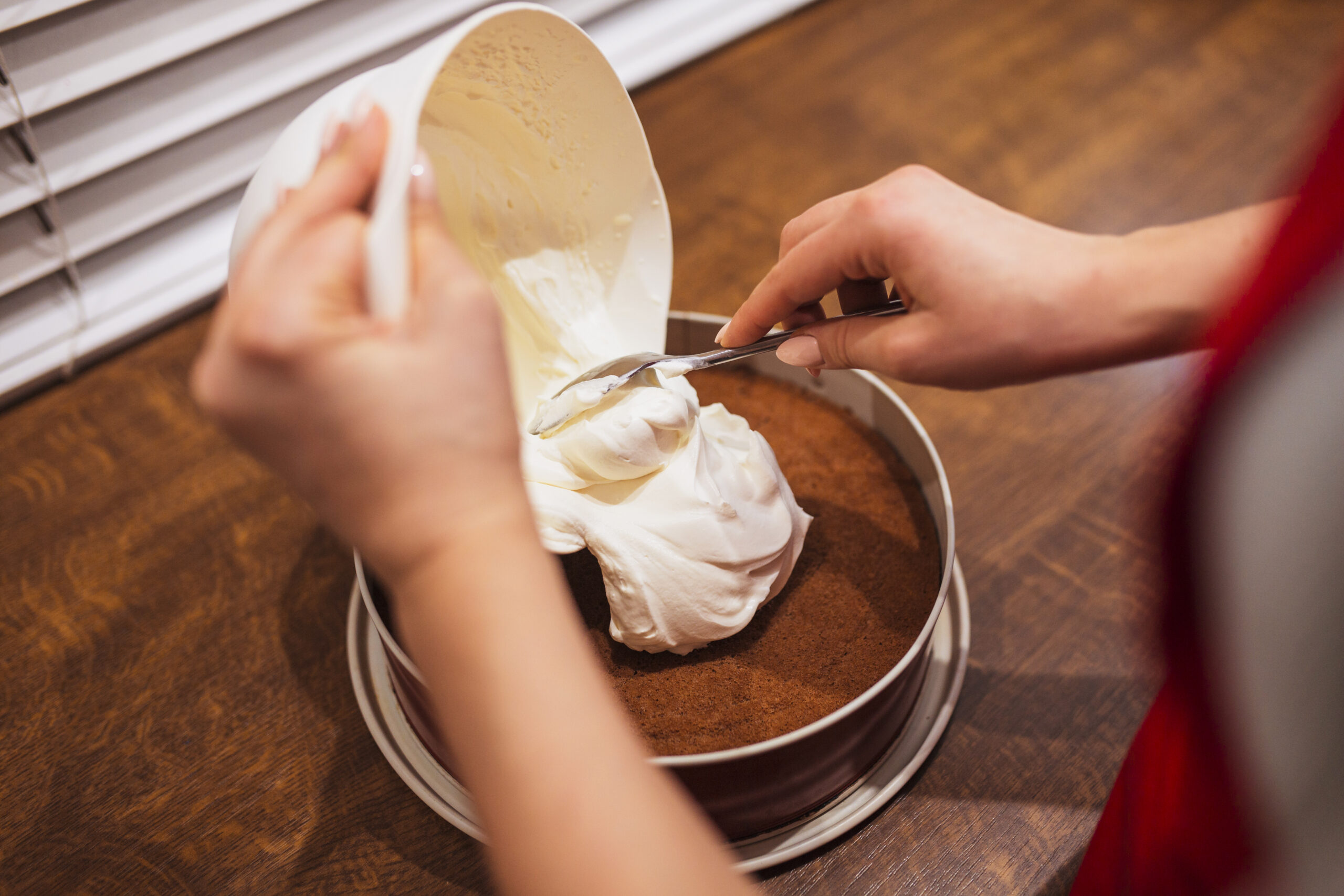
You’re frosting a carrot cake, red velvet cheesecake, or one of your favorite cheesecakes that has cooled perfectly. The layers are stacked. The palette knife is ready. Then it happens. The cream cheese frosting slides instead of spreading. Or it looks grainy. Or it’s so soft that borders won’t hold their shape. That pause,right before panic,happens to every home baker. Cream cheese frosting is simple on paper, but it’s sensitive to temperature, timing, and mixing order. Miss one detail, and the texture changes fast. The promise here is simple. Once you understand why things go wrong and how to correct them mid-bowl, cream cheese frosting becomes reliable, smooth, and easy to work with.
Why Cream Cheese Frosting Turns Too Soft or Too Runny
Soft frosting is the most common complaint. Sometimes it’s barely holding. Sometimes it’s pouring.
Cream cheese frosting too runny usually comes down to temperature and ratios. Cream cheese warms quickly. Butter does too. When both are too soft, structure disappears.
Here’s the baseline that works:
- Cream cheese and butter at 18–20°C
- Use full-fat block cream cheese, not spread
- Ratio: 200 g cream cheese: 100 g unsalted butter: 250–300 g icing sugar
If the frosting feels loose, don’t add liquid. That makes it worse.
So what fixes it?
- Chill the bowl for 15–20 minutes
- Beat again on low speed
- Add 2–3 tablespoons sifted icing sugar only if needed
That’s how to fix cream cheese frosting without changing hour.
And if the frosting feels floppy but not liquid, you’re dealing with cream cheese frosting too soft, not broken. Cooling solves most of it.
When Frosting Breaks, Splits, or Looks Oily
This one feels alarming. The frosting looks separated. Shiny streaks appear. It won’t smooth out.
That’s a broken emulsion.
How to fix broken cream cheese frosting depends on what caused it. Most often, it’s overmixing or ingredients at different temperatures.
But don’t throw it away yet.
Here’s the trick:
- Stop mixing immediately
- Chill the frosting for 10 minutes
- Add 1–2 tablespoons cold cream cheese
- Mix on the lowest speed for 20–30 seconds
What makes the difference is gentle mixing. High speed forces fat to separate further.
And yes, can overmixing cause cream cheese frosting to break? Absolutely. Once smooth, stop. Don’t chase extra fluff.
Fixing Grainy or Lumpy Cream Cheese Frosting
Texture issues often start early.
Grainy cream cheese frosting usually comes from cold cream cheese or overworked butter. Cold cream cheese won’t blend smoothly. Overbeaten butter traps air unevenly.
To prevent this:
- Let cream cheese sit out for 30–40 minutes
- Beat butter alone for 1 minute until smooth
- Add cream cheese next, mix just until combined
If it’s already lumpy, here’s how to fix cream cheese frosting that won’t smooth out:
- Warm the outside of the bowl slightly with a warm towel
- Mix on low speed for 20 seconds
- Stop as soon as it smooths
Not sure why lumps won’t disappear? Too much icing sugar added too quickly can cause it. Always sift. Always add gradually.
Getting the Right Cream Cheese Frosting Consistency Every Time
Consistency decides everything. Piping, spreading, and holding shape all depend on it.
Cream cheese frosting consistency should be soft but structured. The spatula should leave clean lines. Peaks should bend slightly, not collapse.
That’s cream cheese frosting too thick.
- Add 1 teaspoon cold cream or milk
- Mix briefly
- Check again
Too loose?
That’s cream cheese frosting too runny.
- Chill first
- Then add sugar if needed
But don’t rush adjustments. Temperature solves more problems than ingredients.
And remember, frosting firms slightly once chilled. What feels soft now often sets perfectly after 20 minutes in the fridge.
Mixing Order Matters More Than You Think
Many recipes don’t explain this clearly.
Correct order:
- Beat butter until smooth
- Add cream cheese, mix gently
- Add icing sugar in stages
- Add vanilla last
But reversing steps causes trouble. Sugar added too early pulls moisture from cream cheese. That’s how splits begin.
Wondering why the texture’s off even though measurements were correct? Mixing order is often the missing piece.
Storage and Timing Tips that Prevent Problems
Cream cheese frosting doesn’t like heat or waiting around uncovered.
For best results:
- Use within 2 hours at room temperature
- Refrigerate up to 3 days, airtight
- Re-whip gently after chilling, 10–15 seconds only
And don’t frost a warm cake. Even slightly warm layers will melt frosting on contact.
That’s where many problems start.
A Smart Alternative When You Want More Stability and Flavour
If you often find yourself dealing with cream cheese frosting that is too soft, too runny, or inconsistent from batch to batch, using a cheese-flavoured whip topping can simplify the process without compromising flavour. Options like Rich’s Cheese Flavoured Whip Topping are formulated to deliver a stable cream cheese frosting–style finish, especially when consistency and structure matter.
The best part about Rich’s Cheese Flavoured Whip Topping is that it’s ready to whip, there is no need to add any ingredients and there’s no folding required. Simply pour from the pack and whip it to give it the light fluff you need for your red velvet cheesecakes and other cheese-based desserts. It lends the colour and flavour of cream cheese and delivers excellent taste as well.
It whips evenly, spreads without slipping, and holds shape well for piping, making it ideal for decorating red velvet cheesecakes with a smooth and stable finish.For bakers who regularly search for how to fix cream cheese frosting problems, or want dependable cream cheese frosting consistency in warm kitchens or high-volume baking, this kind of product reduces the need for constant chilling, rebalancing sugar, or fixing broken cream cheese frosting during service, while still offering a familiar cheese-forward taste.
Final Takeaway: Control Temperature, Control Texture
Cream cheese frosting rewards patience. Keep ingredients cool but workable. Mix gently. Stop early. Fix issues with temperature before adding anything extra. Once those habits settle in, common problems disappear. Smooth texture, clean lines, and reliable results follow naturally. Master the basics, and cream cheese frosting stops feeling fragile. It becomes one of the easiest frostings to get right.
Frequently Asked Questions
1. How do you fix broken or separated cream cheese frosting?
Chill briefly, add a small amount of cold cream cheese, and mix gently on low speed.
2. How do you fix lumpy cream cheese frosting?
Warm slightly and mix slowly. Avoid high speed, which makes lumps worse.
3. How do you fix runny cream cheese frosting?
Chill first. Only add icing sugar if cooling doesn’t restore structure.
4. Why does cream cheese frosting curdle or split while mixing?
Temperature mismatch, overmixing, or incorrect ingredient order usually cause splitting.
5. Can overmixing cause cream cheese frosting to break?
Yes. Once smooth, continued mixing forces fat separation and weakens the structure.