Different Kinds of Cream and Their Uses

Exploring the Different Kinds of Cream and Their Uses
If you’ve ever stood in a dairy aisle wondering about all types of cream, you’re not alone. From thick sauces to light dessert toppings, the term “cream” covers a wide range, and knowing types of cream can turn good recipes into unforgettable ones. At Rich’s, we believe understanding kinds of cream helps people explore the baking and cooking world better.
Today, let’s dive into the world of different types of cream, explore all kinds of cream, and get to grips with cream types and uses, so you’re never left asking “is whipping cream the same as fresh cream?” or “What are the different kinds of cream used in cooking and baking?”
Why Knowing the Different Types of Cream Matters?
Cream might look simple, but different varieties play very different roles in the kitchen. When you mix up different kinds of cream without checking, you might end up with runny toppings, collapsed mousses, or soggy cakes. That’s why knowing the difference between fresh cream and whipping cream is more than trivia.
A Quick Tour of Popular Cream Types
Here are some of the most common types of cream and how they’re best used:
1. Fresh Cream
A staple in Indian kitchens, fresh cream and whipping cream might look the same, but don’t be fooled. Fresh cream has higher fat content and gives gravies, curries, and soups its rich texture and creamy mouthfeel. But it won’t hold peak shapes like some other creams.
2. Whipping Cream
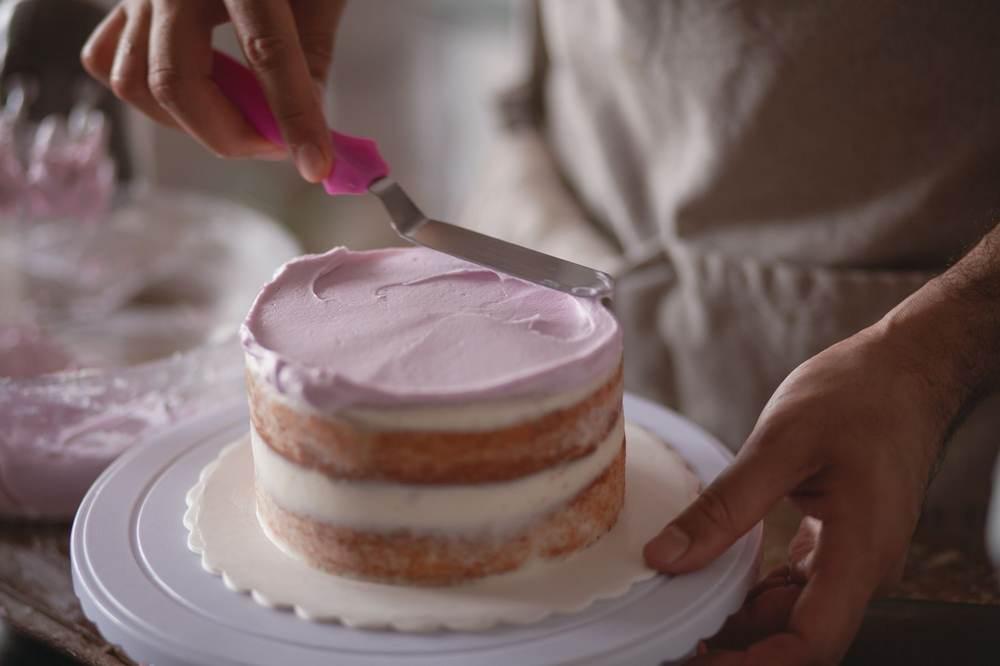
Designed for aeration, this cream is ideal when you need volume, texture, or structure. Perfect for piping rosettes, making mousses, or layering cakes. The question “is whipping cream and fresh cream same?” comes up a lot, and while they might share “cream” in the name, their behavior couldn’t differ more. Think of whipping cream as a chef’s tool for cake and dessert decoration with soft to firm peaks. Whipping cream also helps add height to desserts.
3. Heavy or Double Cream
Heavy cream, also known as double cream, has a larger amount of fat compared to other creams. This decadent cream works great in rich sauces, ganaches, or if heat is a factor, where stability is needed. In terms of hybrid options for baking and cooking, heavy cream usually provides more richness and stability.
4. Light Cream
Light cream, also called table cream, sits between fresh cream and heavy cream in texture and richness. It adds silkiness to beverages like coffee or to mild sauces without making them too heavy. Not ideal for whipping, but great for pouring!
5. Sour Cream
This one brings tang along with creaminess. Sour cream is cultured, making it perfect for dips, baked potatoes, salad dressings, and even baking (it adds moisture and tenderness to cakes!). Not meant for whipping, but absolutely flavor-rich.
6. Clotted Cream
A British classic, extremely high-fat and luxuriously thick. If you’ve ever enjoyed scones with cream and jam, this is likely the star. Smooth, spreadable, and indulgent.
7. Culinary Cream / Cooking Cream
Brought in specifically for heating, this cream will not curdle when being used in hot curries, gravies, or sauces. It provides consistency and structure for cooking, particularly valuable in the kitchen.
8. Aerosol / Spray Cream
Quick and convenient topping option for hot chocolate, waffles, pancakes, or sundaes. This cream is already whipped and comes out of a pressurized container to save time for finishing touches at home or for cafés.
9. Vegan / Non-Dairy Whipping Cream
Whip cream made of plant-based ingredients of some sort, such as soy, oats, coconut, or vegetable oils. Alternative whip creams will whip nicely and will hold up longer. Makes for a great replacement for people who wish to avoid dairy, very popular in bakeries or cafés.
What Are All Kinds of Cream Used For?
When you explore cream types and uses, some patterns emerge:
- Pouring or finishing: Fresh cream fits best when you’re swirling it over soups or stirring it into curries.
- Whipping and decorating: Whipping cream shines for cakes and plates that demand height and grace.
- Cooking under heat: That’s where cooking cream comes into play—they survive high temps and keep textures intact. However, there are many non-dairy cooking creams that can remain stable in high heat – for example, Rich’s Versatie cooking cream and Rich’s Double Dream cooking cream. Both are perfect for Indian as well as continental recipes. Making pasta has become really easy with Rich’s cooking creams.
So when you ask “which type of cream is best for cakes and pastries, fresh cream or whipping cream?” The short answer is: for structure and decoration, choose whipping cream; for pour-ons or soups, fresh cream works beautifully.
Practical Tips from Rich’s for All Types of Cream
- Chill bowls and cream containers when working with whipped or heavy creams.
- Always check fat content; higher fat usually means more stability for whipping.
- Label and store opened packs properly to maintain freshness.
- Whip cream just before use for the best texture, unless the recipe states otherwise.
Final Thoughts
Understanding different kinds of cream means understanding your recipe’s goals, textures, and audience. When you know the different types of cream and their ideal uses, your baking and cooking become smarter, not just tastier.
At Rich’s, we believe that clarity in the kitchen leads to confidence in every plate. So next time you think about all types of cream, remember: choosing the right one is just as important as how you use it. Your food, your moment, it deserves that attention.
Frequently Asked Questions (FAQs)
1. What are the different kinds of cream used in cooking and baking?
There are many cream types: fresh cream, whipping cream, heavy or double cream, each with different fat levels and uses.
2. What is the difference between heavy cream, double cream, and whipping cream?
Heavy/double creams have higher fat and a stronger structure; whipping cream has less fat to whip and hence it’s lighter; fresh cream has enough fat to make your soups and gravies creamy.
3. Can I use fresh cream instead of heavy cream in recipes?
Yes, depending on how heavy you want your dish to be, you can choose between fresh and heavy cream. For heavy sauce, you might want to add cream with higher fat; fresh cream works just fine.
4. Which type of cream is best for making desserts and cakes?
Whipping cream is generally best for desserts and cakes as it adds height and airy texture; fresh cream works well for smooth finishes.
5. Is whipping cream the same as heavy cream?
Not exactly, whipping cream can whip with ease; heavy cream is dense and unstable under heat.
6. Which type of cream is best for soups and curries?
For soups and curries, you’d likely use fresh cream or heavy cream, depending on the richness you aim for, but whipping cream is less common here.
7. How should cream be stored to maintain freshness?
Keep it chilled, sealed after opening, and use by the recommended date. For whipped applications, use immediately once whipped.
References & Citation
Fresh Cream and Whipping Cream Explained — Learning and Yearning
Heavy Cream vs. Heavy Whipping Cream and other types — Allrecipes
Cream Glossary: Butterfat, Types of Cream — bbcgoodfood.com