Matcha: What It Is, How to Use It in Cakes, Cookies & Pastries
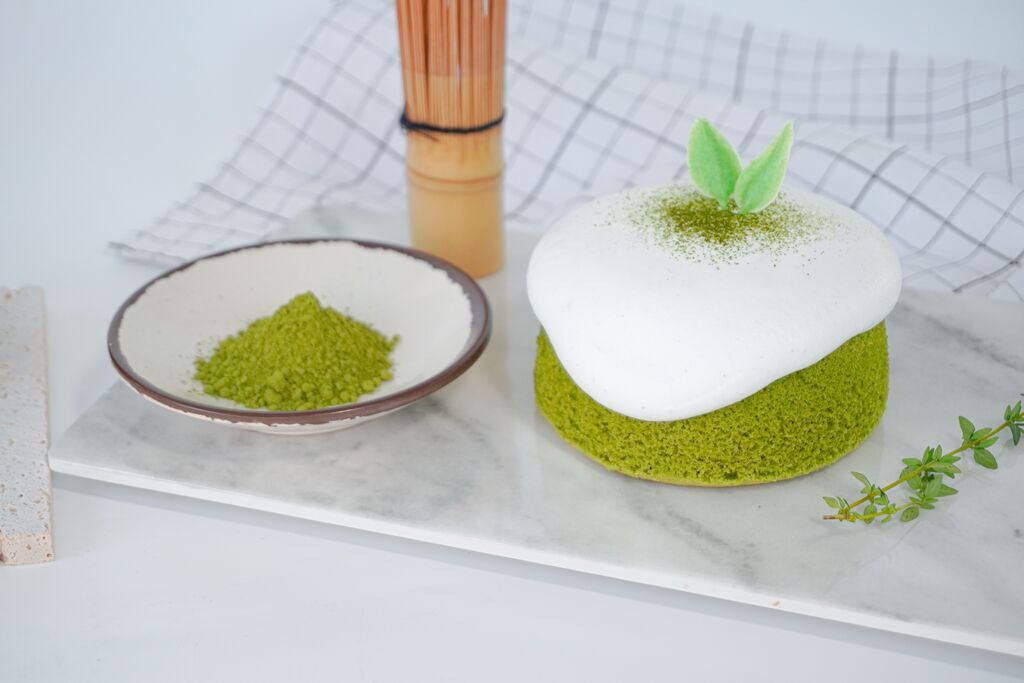
You’ve measured everything perfectly. The oven’s preheated. The batter looks smooth and promising. But once the cake comes out, the color looks dull. The flavor? Slightly bitter and suddenly you’re wondering, can you bake with matcha powder without ruining the bake?
That moment is common. Matcha behaves differently from cocoa or vanilla, and a small misstep can throw off texture, taste, or color. But that doesn’t mean matcha recipes are complicated. The trick lies in understanding how matcha reacts to heat, fat, and sugar. And once that’s clear, you’ll find matcha fits beautifully into cakes, cookies, and pastries, with a soft crumb, clean flavor, and that signature green you’re chasing.
So let’s break it down, step by step, without guesswork.
What Makes Matcha Tricky (and Wwonderful) in Baking
Matcha is finely ground green tea leaves, not an extract or essence. That matters. Unlike brewed tea, you’re adding the whole leaf directly into your batter or dough. This means flavor intensity, color, and bitterness depend heavily on quantity and quality.
Most bakers ask early on: What is matcha, and why is it used in baking? The answer is simple. Matcha adds earthy sweetness, natural color, and subtle bitterness that balances sugar-rich desserts. But too much, and the dessert won’t taste right. Too little, and the flavor disappears during baking.
And here’s the trick: heat dulls matcha. High temperatures reduce its vibrant color and aroma. That’s why balance matters more here than in standard matcha recipes meant for drinks.
Choosing the Best Matcha Powder for Baking (This Step Matters)
Not all matcha is created equal. And no, ceremonial-grade matcha isn’t always the right choice for the oven.
If you’re wondering which type of matcha powder is best for baking, look for culinary-grade matcha, specifically labeled for baking or cooking. It’s stronger, more heat-stable, and won’t lose character once baked.
What to look for:
- Bright green color (not olive or brown)
- Finely milled texture
- Slight bitterness with grassy notes
- No added sugar or fillers
That’s the best matcha powder for baking because it holds flavor under heat and pairs well with butter, cream, and white chocolate.
Storage matters too. Keep matcha in an airtight container, away from heat and light. Refrigeration works, but only if sealed tightly. Moisture is the enemy.
Matcha Cakes: Soft Crumb, Balanced Flavor, No Bitterness
A matcha cake recipe fails most often due to excess powder or overbaking. Matcha should complement, not overpower.
Basic ratios that work:
- 1 to 1½ teaspoons matcha powder per 1 cup (120g) flour
- Baking temperature: 160–170°C (320–340°F)
- Baking time: 25–35 minutes for standard round cakes
Lower temperatures protect color and flavor. And yes, you’ll notice the crumb stays more tender too.
Use neutral oils or unsalted butter. Strong fats mask matcha’s aroma. And don’t skip sugar; matcha needs sweetness to shine.
Wondering why the texture’s off? Overmixing activates gluten, and matcha makes it worse. Mix just until combined.
And don’t forget, acid matters. A small amount of yogurt or buttermilk (¼ cup per 2 cups of flour) keeps the cake soft and balances bitterness naturally.
Matcha Cookies: Preventing Spread, Preserving Color
Cookies are less forgiving. Too much heat. Too much sugar. Too much spread.
A matcha cookie recipe works best with chilled dough. Always.
Key steps:
- Use ¾ to 1 teaspoon of matcha per 1 cup of flour
- Chill the dough for at least 30 minutes
- Bake at 165–170°C (330–340°F)
- Bake time: 10–12 minutes
Butter should be soft, not melted. Melted butter darkens matcha and causes excessive spread.
And here’s what makes the difference: white chocolate, vanilla, or almond extract pair beautifully with matcha. Dark chocolate? That’s where bitterness creeps in.
Not sure when it’s done? Look for pale edges and a soft center. Matcha cookies shouldn’t brown deeply. If they do, the flavor’s already fading.
So don’t wait for golden edges. Pull them early. They’ll set as they cool.
Pastries, Creams & No-Bake Desserts: Where Matcha Truly Shines
Yes, can matcha powder be used in both hot and cold desserts? Absolutely. And in pastries, cold applications often deliver the best results.
Think:
- Matcha pastry cream
- Matcha whipped ganache
- Matcha buttercream
- Matcha mousse fillings
For creams, sift matcha directly into warm milk (not boiling) before combining with eggs or cream. Ideal temperature? Around 60–70°C. Too hot, and bitterness spikes.
Recommended ratio for fillings:
- 1 teaspoon matcha per 250 ml of cream or milk
And don’t rush, chilling. Pastry creams need at least 2 hours refrigerated to stabilize flavor and color.
But baked pastries still work, choux, tarts, shortcrust, just keep baking temperatures moderate and fillings protected from direct heat.
Why Matcha Recipes Work Better with the Right Base Ingredients
Flour type matters. All-purpose flour works best. Cake flour can mute flavor. Whole wheat? Avoid it.
Sweeteners matter too. White sugar, caster sugar, or glucose syrup allows matcha to stand out. Brown sugar overwhelms it.
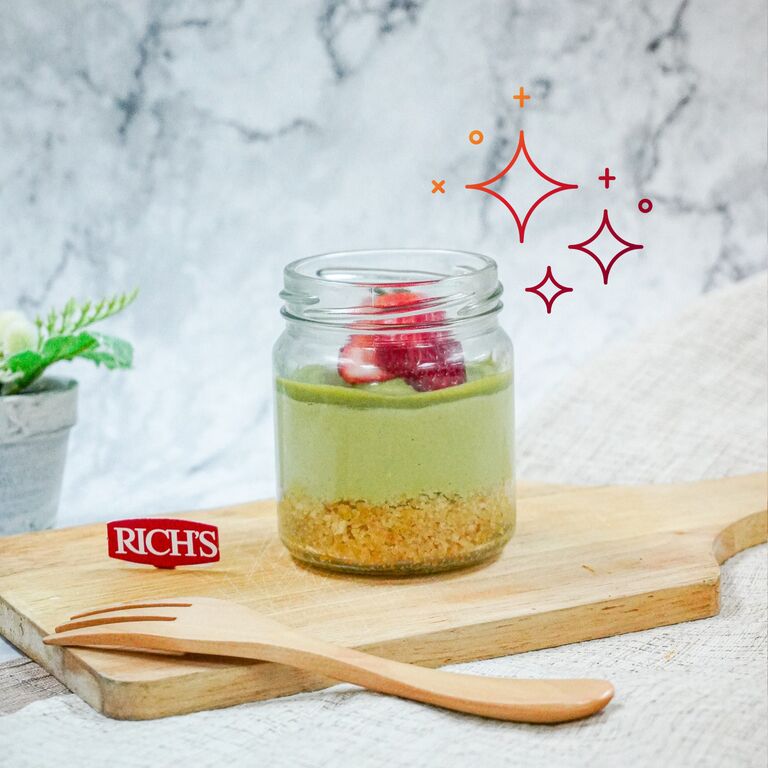
And yes, dairy helps. Cream, butter, and milk soften matcha’s sharp edges. That’s why matcha recipes pair beautifully with RICH’S non-dairy whipping creams for consistent texture and clean flavor without overpowering the tea.
Final Takeaway: Matcha Is Precise, Not Difficult
Matcha baking isn’t about complexity. It’s about restraint. Measure carefully. Lower the heat. Choose the best matcha powder for baking. And let the ingredient do its job.
Once you understand how matcha behaves, cakes stay soft, cookies hold their shape, and pastries taste balanced, no t bitter. That’s why matcha recipes feel intimidating at first but rewarding once mastered.
So go slow. Taste often. And trust the process, you’ll get it right.
Baking with Matcha: Frequently Asked Questions
1. What is matcha, and why is it used in baking?
Matcha is finely ground green tea leaves that dissolve directly into batters, doughs, and creams. In baking, it’s used for its natural green color, mild earthy sweetness, and gentle bitterness that balances sugar-rich desserts like cakes, cookies, and pastries.
2. What is matcha, and how is it different from regular green tea?
Matcha uses whole tea leaves ground into a fine powder, so the entire leaf becomes part of the recipe. Regular green tea is brewed and discarded. That’s why matcha delivers a stronger flavor, deeper aroma, and more visible color in baked goods.
3. Which type of matcha powder is best for baking?
Culinary-grade matcha is the best matcha powder for baking. It has a bolder flavor that holds up under heat and is more cost-effective than ceremonial-grade matcha, which is better reserved for drinks.
4. Can matcha powder be used in both hot and cold desserts?
Yes. Cold desserts like mousses, creams, and no-bake cheesecakes preserve matcha’s bright color best. Baked desserts work well too, but lower oven temperatures help prevent bitterness.
5. How should matcha be stored to maintain its flavor and color for baking?
Matcha should be stored in an airtight container, away from light, heat, and moisture. Refrigeration is fine as long as the container is tightly sealed to prevent condensation.