The Complete Guide to Cake Frosting Techniques for Perfect Finishes
You can bake the softest, most flavourful sponge in the world and if the frosting goes on in messy lumps, that is the bit everyone remembers. Frosting is the cake’s outfit. It is the first thing your eye lands on, and getting it right is far less about talent than about method.
The reassuring truth is that the finishes you admire in bakery windows come from a small set of repeatable steps. Chill at the right moment, hold your tools at the right angle and let a turntable do half the work. Once you know the sequence, a clean finish stops feeling like luck.
At Rich’s, our whip toppings and frostings go onto countless cakes every day, so we have gathered the cake frosting techniques that genuinely make a difference. This guide takes you from a bare sponge to a perfect finish, one clear step at a time.
What Do You Need Before You Start Frosting?
A few basic tools do most of the heavy lifting. You do not need an expensive kit, just the right handful of items and frosting at the correct consistency, soft enough to spread but firm enough to hold.
| Tool | What It Does | Essential? |
|---|---|---|
| Turntable | Spins the cake for even, smooth frosting | Yes |
| Offset palette knife | Spreads frosting and reaches flat areas | Yes |
| Bench scraper | Creates sharp, straight sides | Yes |
| Piping bag and nozzles | Borders, textures and detail | Helpful |
| Cake comb | Adds neat ridged patterns | Optional |
How Do You Prepare a Cake for Frosting?
Preparation decides everything that follows. Let the sponges cool completely, because warm cake melts frosting on contact. Level the domed tops so your layers stack flat and even.
Then comes the step that changes everything: the crumb coat. This is a thin, almost see-through layer of frosting that traps loose crumbs against the cake. Chill it for twenty to thirty minutes until firm. When you add the final coat over a set crumb coat, it goes on cleanly with no crumbs dragging through. Skipping the crumb coat is the single biggest reason home cakes look patchy, so never rush past it.
How Do You Frost a Cake for a Smooth Finish?
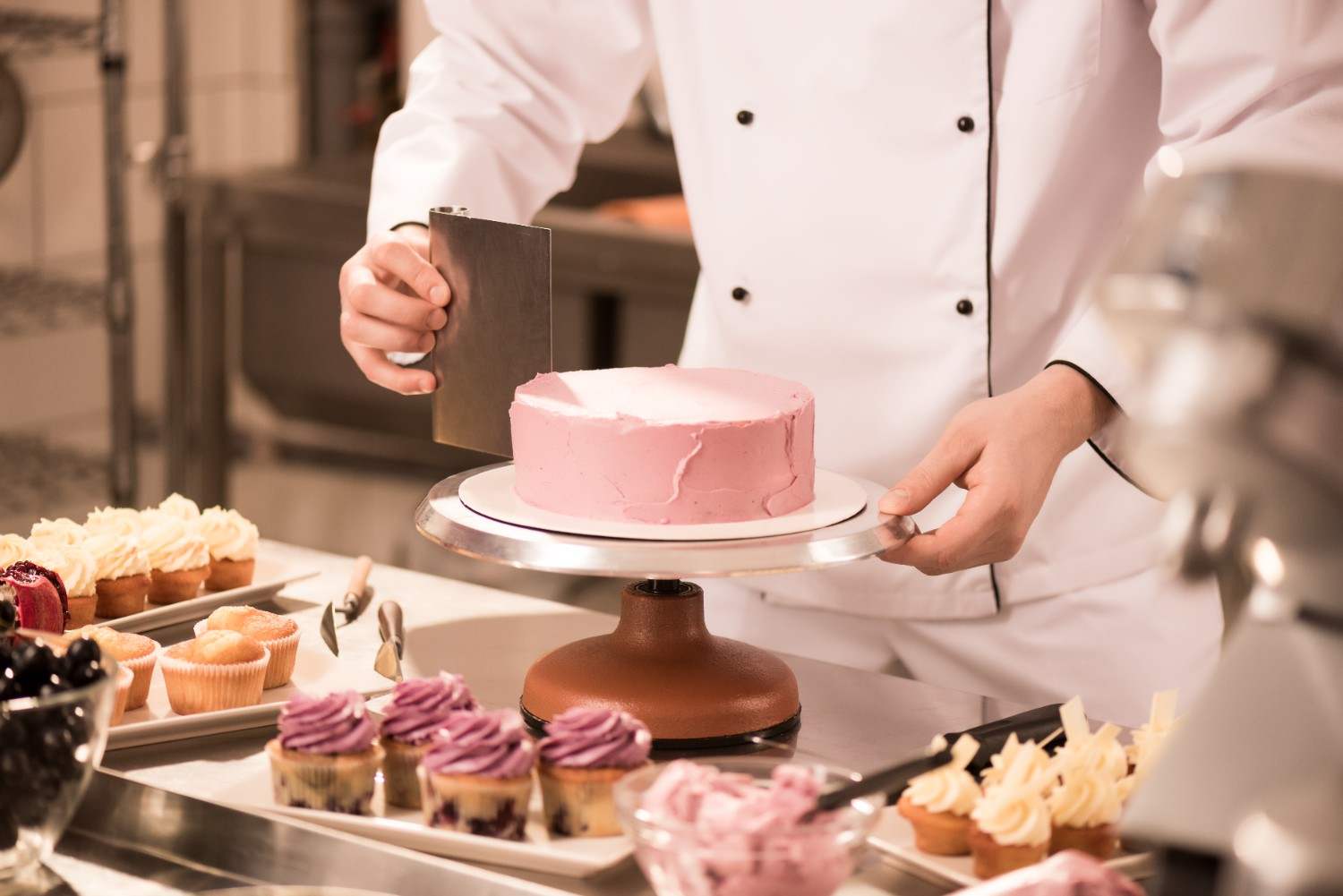
The smooth finish is the classic bakery look, and it is very achievable. Once your crumb coat is set, this is how to frost a cake so the sides come out flat and clean.
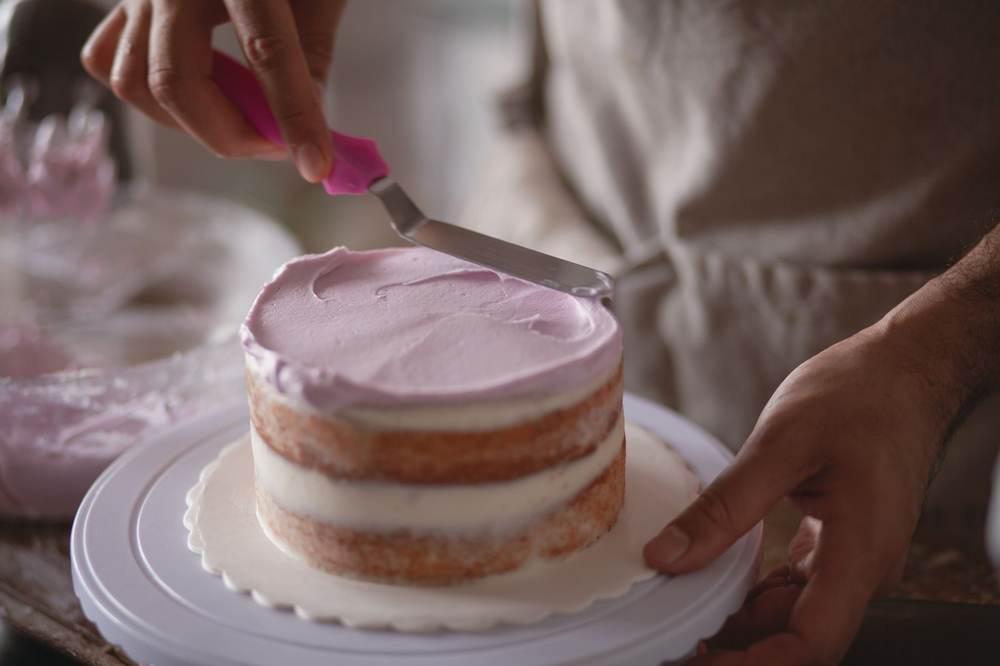
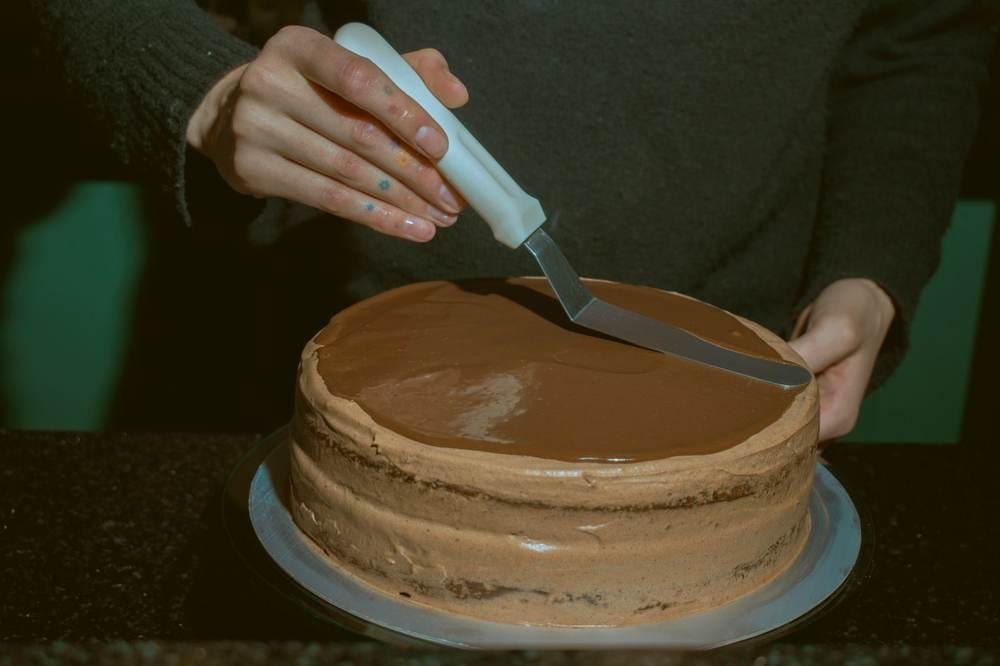
Pile a generous amount of frosting on top and spread it out to the edges with your offset palette knife. Add frosting to the sides and rough it on all the way round. Now hold your bench scraper upright against the side, keep it still, and slowly spin the turntable a full rotation. The scraper shears off the excess and leaves a flat wall. Wipe the scraper clean between turns. For an even glassier smooth buttercream finish, dip the scraper in hot water and dry it before the final pass, as the slight warmth polishes the surface.
Which Textured Frosting Techniques Should You Try?
Smooth is lovely, but texture is where frosting gets fun and forgiving, because deliberate texture hides small flaws. These buttercream techniques give a professional look with very little practice.
Spatula Swoops and Rustic Texture
Press the back of a spoon or a palette knife into the frosting and lift to create soft peaks and swirls. This textured buttercream look is quick, casual, and almost impossible to get wrong, which makes it perfect when time is short.
Combed Ridges and Stripes
Hold a cake comb against a freshly frosted side and spin the turntable to create even, ridged lines. It is a simple move that instantly looks deliberate and neat.
Ombre and Watercolour Effects
For an ombre cake, frost bands of the same colour in light-to-dark shades up the sides, then blend the joins with your scraper. It looks advanced but is really just smoothing with a colour gradient.
The Naked and Semi-Naked Look
A naked cake skips the outer coat almost entirely, leaving the sponge visible with just filling between the layers. A semi-naked version adds a thin, scraped-back layer. Both are on trend, quick, and ideal if smoothing is not your strong point yet.
How Do You Add Piped Details and Borders?
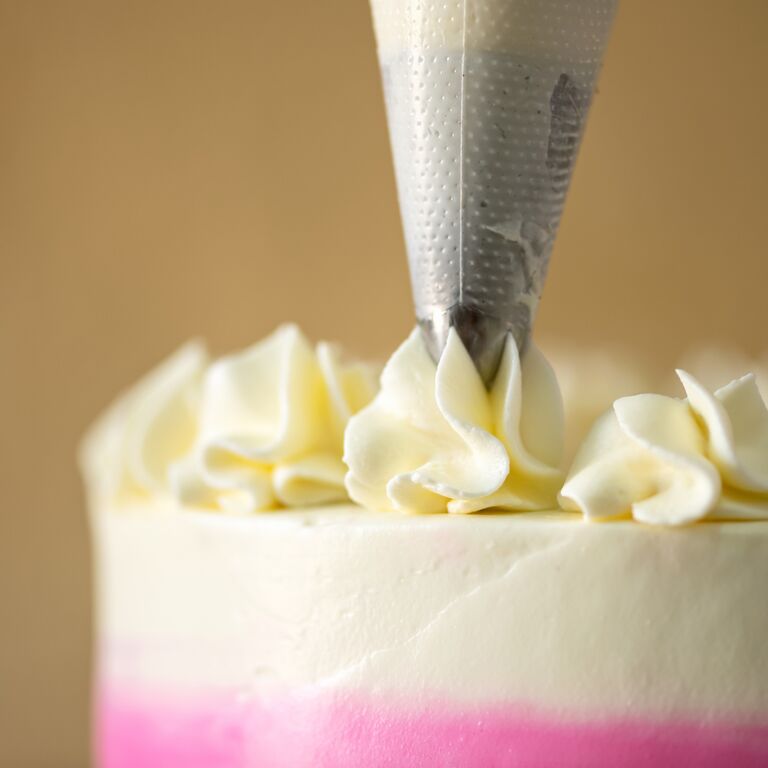
Piping is the final flourish that ties a cake together. A shell or rope border around the base neatly hides the join between cake and board. A star nozzle gives rosettes and swirls in seconds, and a round nozzle handles dots and lettering. Keep steady, even pressure and let the nozzle shape the frosting for you rather than moving your hand too much.
A useful tip: pipe your borders after the cake is chilled and the main coat is set, so your details sit crisply on a firm surface instead of sinking in.
How Do You Get the Frosting Consistency Right?
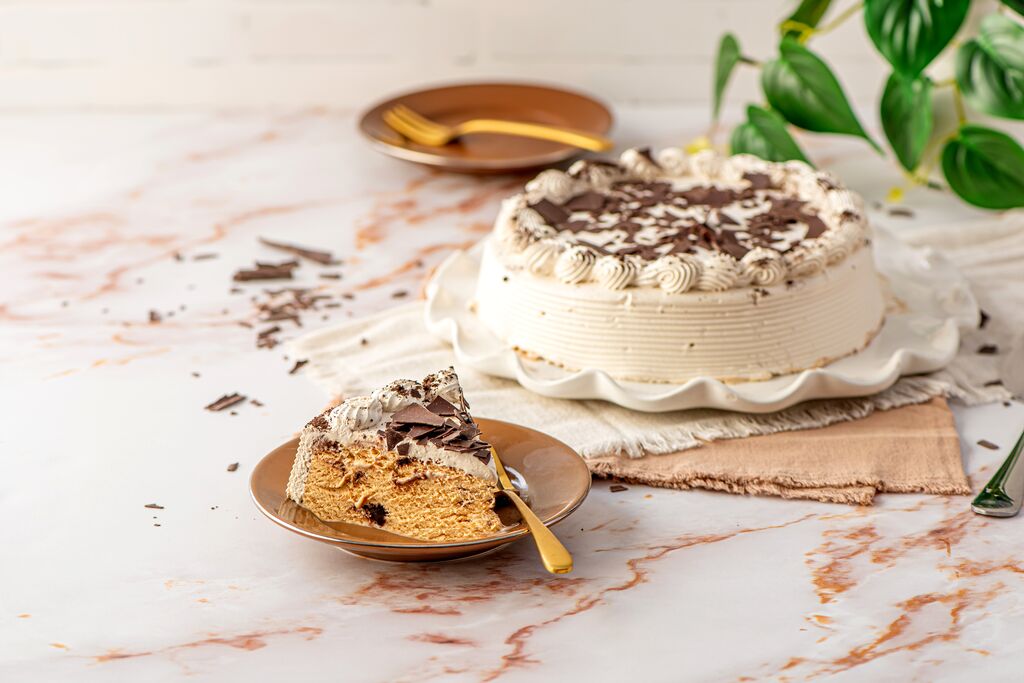
Half of all frosting problems are really consistency problems. Too stiff and it tears the sponge; too soft and it slides straight off. The fix is to match the consistency to the job rather than using one texture for everything.
| Consistency | How It Feels | Use It For |
|---|---|---|
| Stiff | Holds a firm peak | Piped flowers, borders, the dam |
| Medium | Soft peak, spreads easily | Crumb coat and final coat |
| Thin | Loose, almost pourable | Drips, glazes, lettering |
Adjust with a splash of milk to loosen or a spoon of icing sugar to stiffen. Getting this right makes every other technique easier.
What Are the Best Cake Frosting Tips for Beginners?
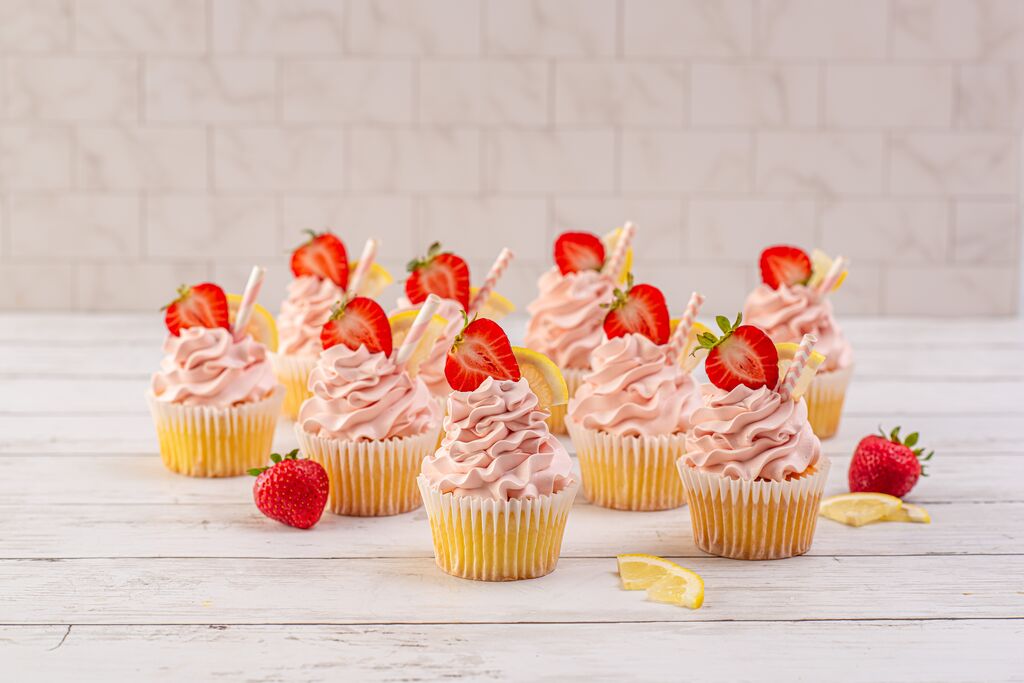
If you remember nothing else, hold on to these cake frosting tips. Work with a cold cake and frosting at the right consistency. Always crumb coat first. Use more frosting than you think you need, because it is easier to scrape off excess than to patch bare spots. And chill between stages whenever the frosting starts to soften.
None of these are complicated. They are simply the habits that make good cake frosting techniques repeatable rather than hit and miss.
What Frosting Mistakes Should You Avoid?
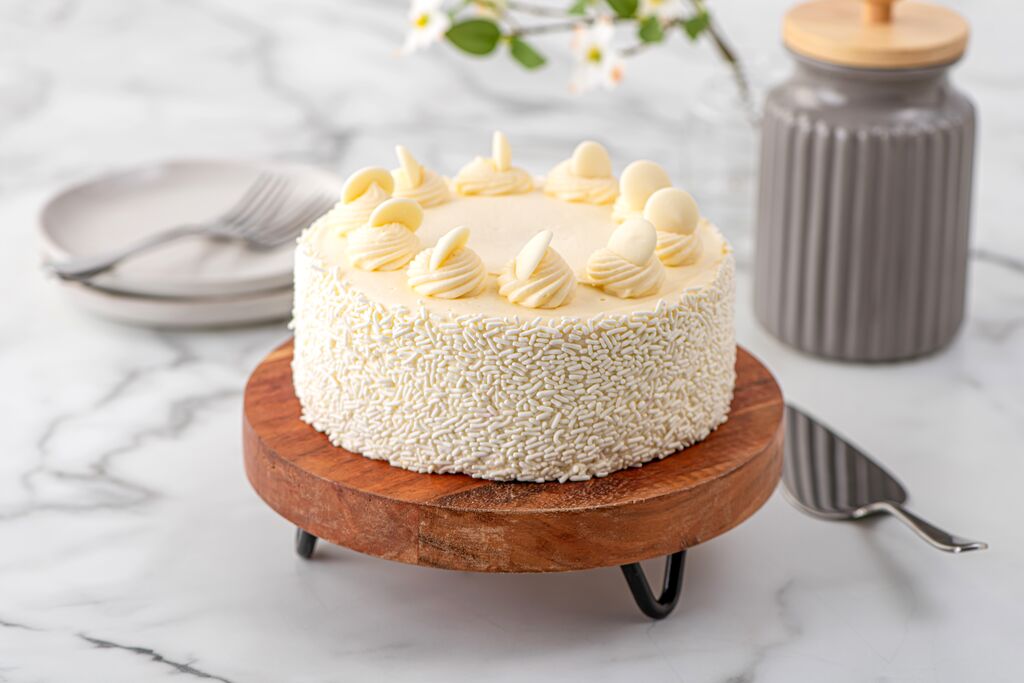
Most finishing problems come from a short list of causes. Here is a quick troubleshooting table.
| What Goes Wrong | Likely Cause | How to Fix It Next Time |
|---|---|---|
| Crumbs all through the frosting | No crumb coat, or cake not chilled | Crumb coat first and chill until firm |
| Sides look wavy, not flat | Scraper tilted or moved | Hold the scraper still; spin the turntable |
| Frosting melting and sliding | Warm cake or warm room | Chill the cake; work in a cool space |
| Air holes in the surface | Frosting not beaten smooth | Beat frosting well; smooth with a warm knife |
| Piped details sink in | Cake or coat still soft | Chill the main coat before piping |
Work through these and your finishes will look sharper with almost every cake you make.
Frequently Asked Questions
1. How do I frost a cake smoothly?
Crumb coat and chill the cake first, then add a thick final coat, hold a bench scraper still against the side and slowly spin the turntable. A warm, dry scraper gives an even smoother finish.
2. What is a crumb coat and do I really need one?
A crumb coat is a thin first layer of frosting that traps loose crumbs. Yes, you need it. It is the main reason bakery cakes look clean and home cakes sometimes do not.
3. How much frosting do I need for a cake?
As a rough guide, a two-layer eight-inch cake needs about three to four cups of frosting for filling, crumb coat and final coat. Always make a little extra.
4. What is the easiest frosting technique for beginners?
A rustic textured finish using spoon or spatula swoops is the most forgiving, as deliberate texture hides small imperfections. The naked cake look is also very beginner-friendly.
5. Why does my frosting keep pulling up crumbs?
You have likely skipped or rushed the crumb coat, or the cake was not chilled. Apply a thin crumb coat, chill until firm, then frost again.
6. How do I get sharp edges on a buttercream cake?
Chill the cake well, build up a little extra frosting above the top edge, then scrape inwards across the top so the excess folds over into a crisp corner.
7. Can I frost a cake the day before?
Yes. Frost and chill it, then bring it back to room temperature for about an hour before serving so the sponge is soft and the flavour comes through.
References & Citations
King Arthur Baking Company. Cake Frosting and Finishing Techniques.
Wilton. Cake Decorating and Frosting Basics.
BBC Good Food. How to Ice a Cake.
Serious Eats. The Science of Buttercream.