Chocolate Ganache: What It Is and Why It Is Popular in Modern Cake Decoration
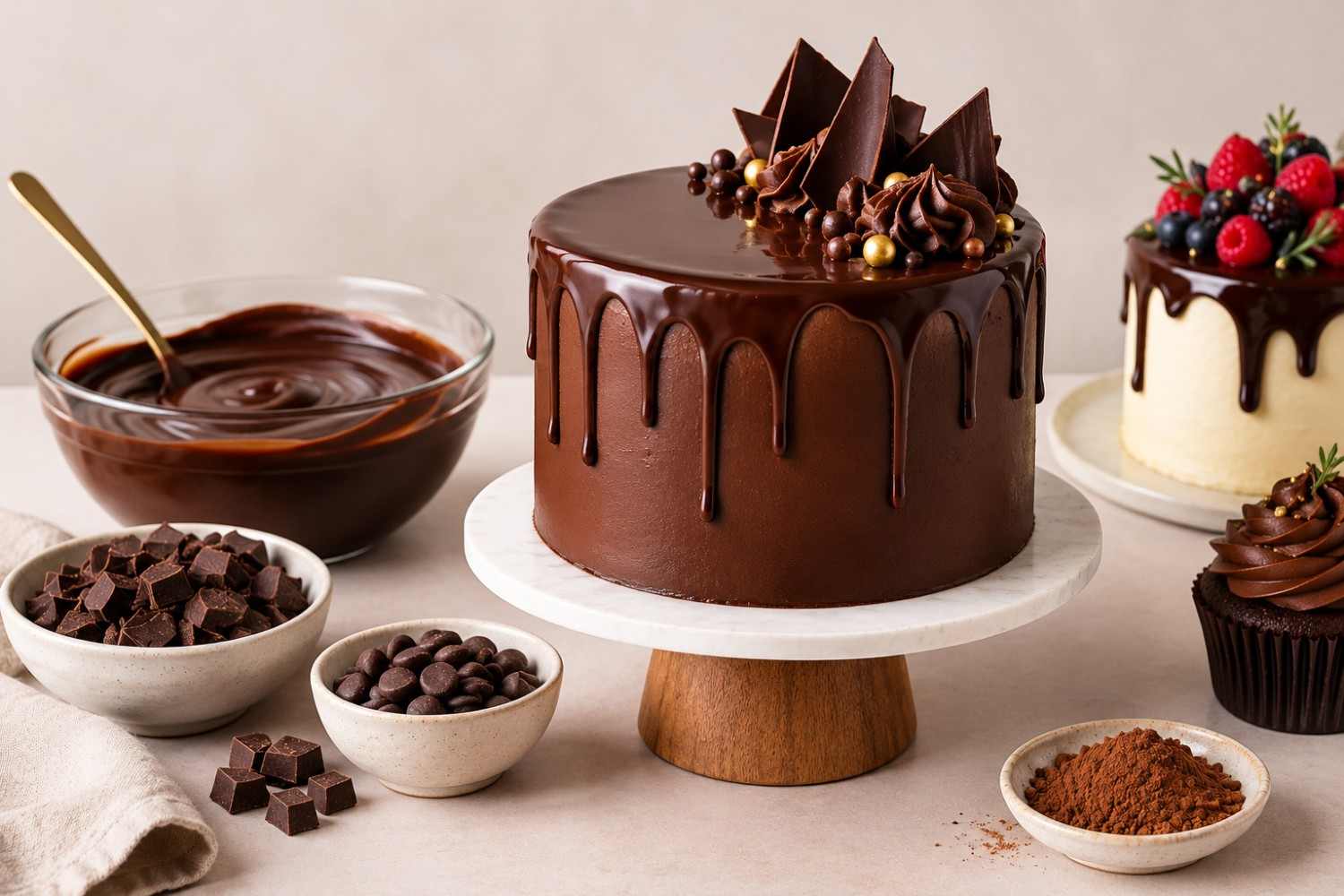
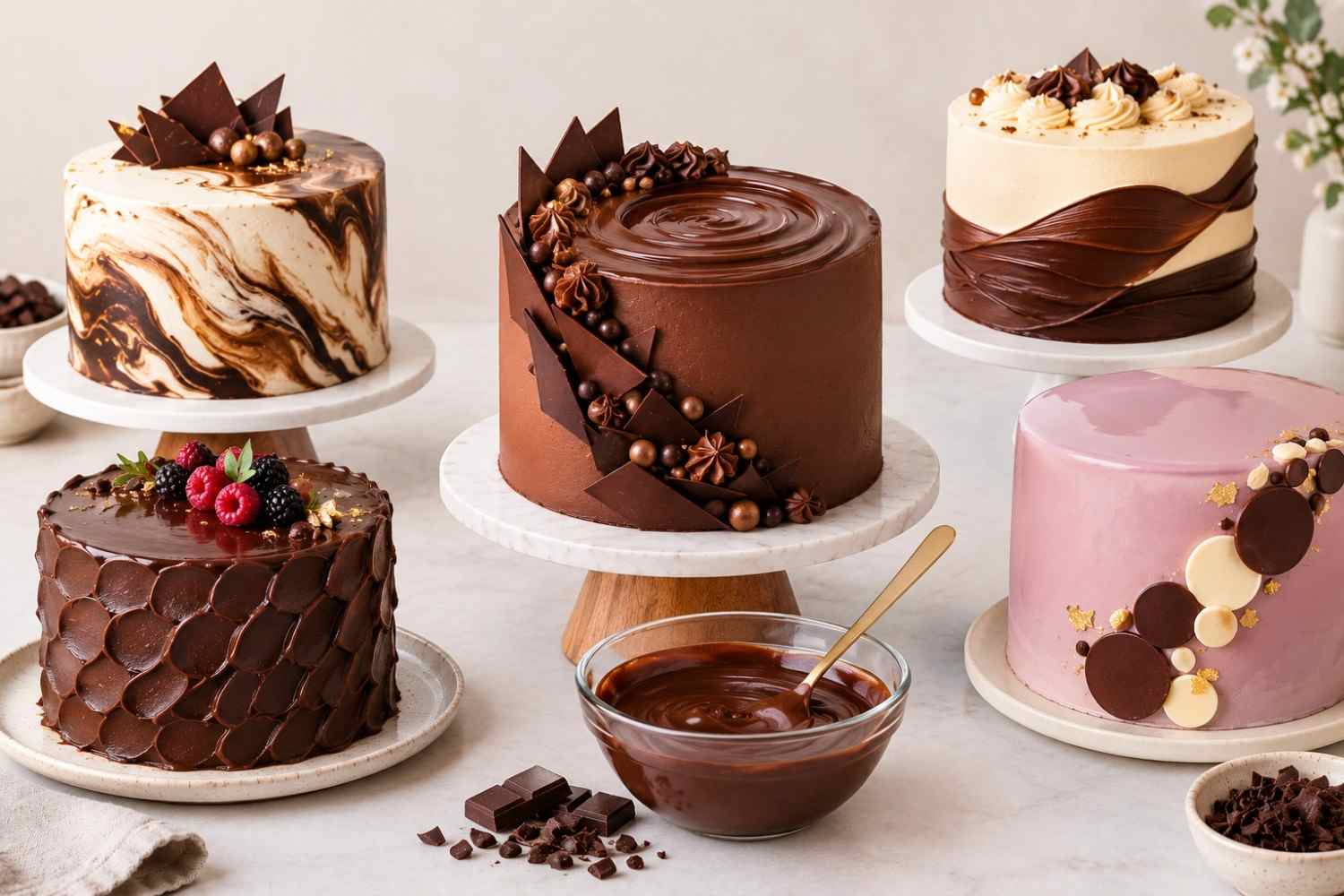
Look at the cakes trending in any bakery window right now and you’ll notice a pattern. A glossy chocolate coat with razor-sharp edges. Thick chocolate drips running down a white cake. A rich, dark layer hiding between soft sponges. Behind almost all of them is one humble mixture: chocolate ganache.
It sounds fancy, but ganache is one of the simplest things in a baker’s kitchen. Two ingredients, a bowl and a little patience. What makes it special is how much it can do. Change the ratio or the temperature, and the same mixture becomes a pourable glaze, a spreadable frosting, a whipped filling or a truffle centre.
At Rich’s, we work with bakers and cake artists across India every day, and ganache comes up in nearly every conversation about modern cake design. Here’s a clear, practical guide to what it is, how to make it and why it has become a favourite.
What Is Chocolate Ganache?
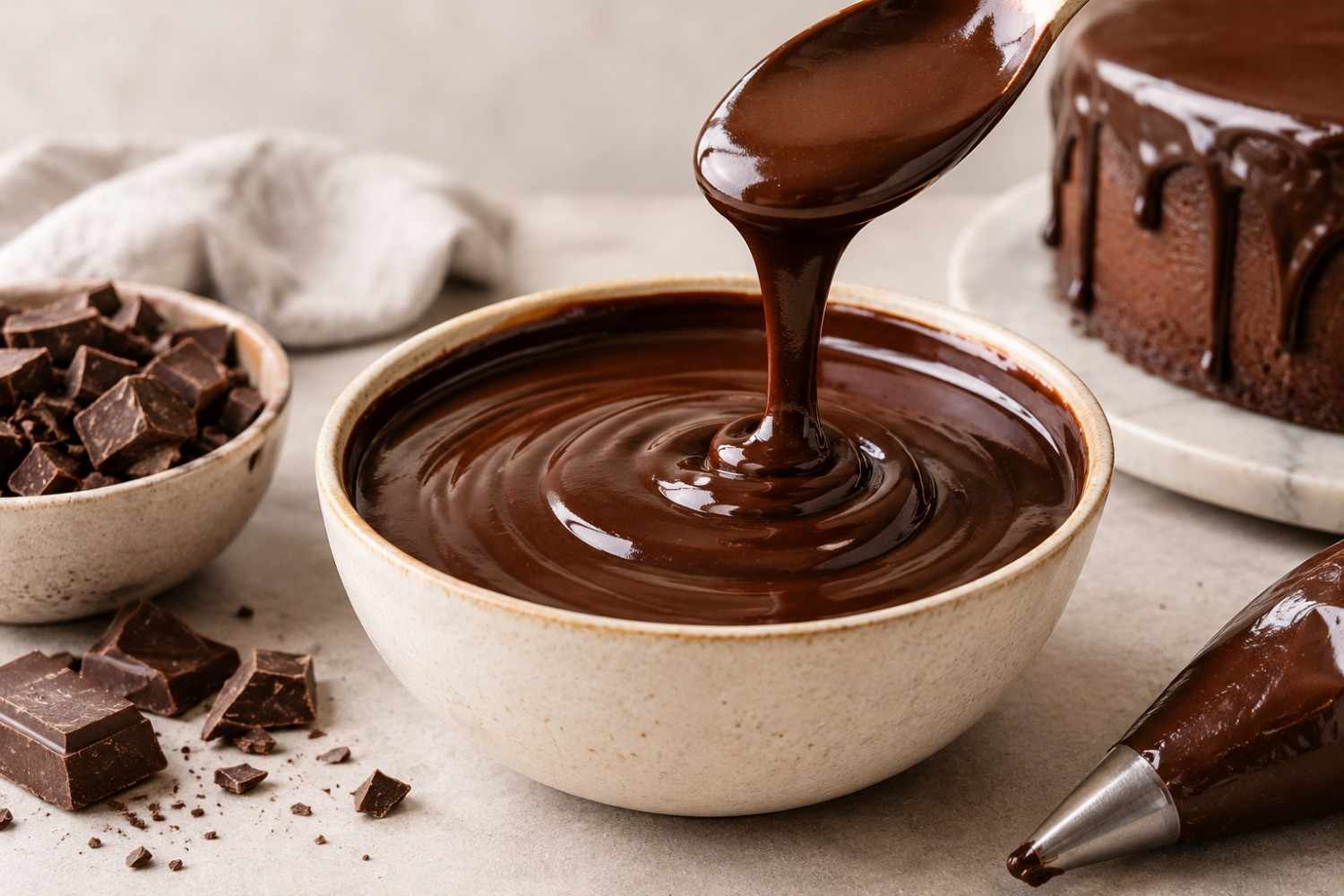
Chocolate ganache is a smooth, glossy mixture of chocolate and hot cream, stirred together until fully combined. When it’s warm, it pours like a sauce. As it cools, it thickens into a spreadable frosting. Once fully set, it can be firm enough to roll into truffles.
Technically, ganache is an emulsion. The fat from the chocolate and cream blends with the water in the cream to create a silky, stable texture. That’s why a well-made ganache looks shiny and feels velvety rather than oily or grainy.
Most bakers use dark or semi-sweet chocolate, but milk and white chocolate ganache are just as popular, especially for coloured drips and lighter flavours.
Where Did Ganache Come From?
Like many classic desserts, ganache comes with a good story. The best-known legend says that in 19th-century France, a pastry apprentice accidentally spilled hot cream into a bowl of chocolate. His boss called him a “ganache”, a French word for a fool. When they tasted the result, the mistake turned into a new recipe.
Another account links the name to Paris in 1869, when confectioner Paul Siraudin, who was also a playwright, is said to have named a chocolate sweet after a popular comedy called Les Ganaches. Nobody knows for sure which story is true, but both point to 19th-century France as its home.
Why Is Chocolate Ganache So Popular in Modern Cake Decoration?
Cake trends have moved away from heavy sugar decorations towards clean lines, glossy finishes and real flavour. Ganache fits that shift perfectly. Here’s why decorators love it.
It Gives Sharp, Professional Edges
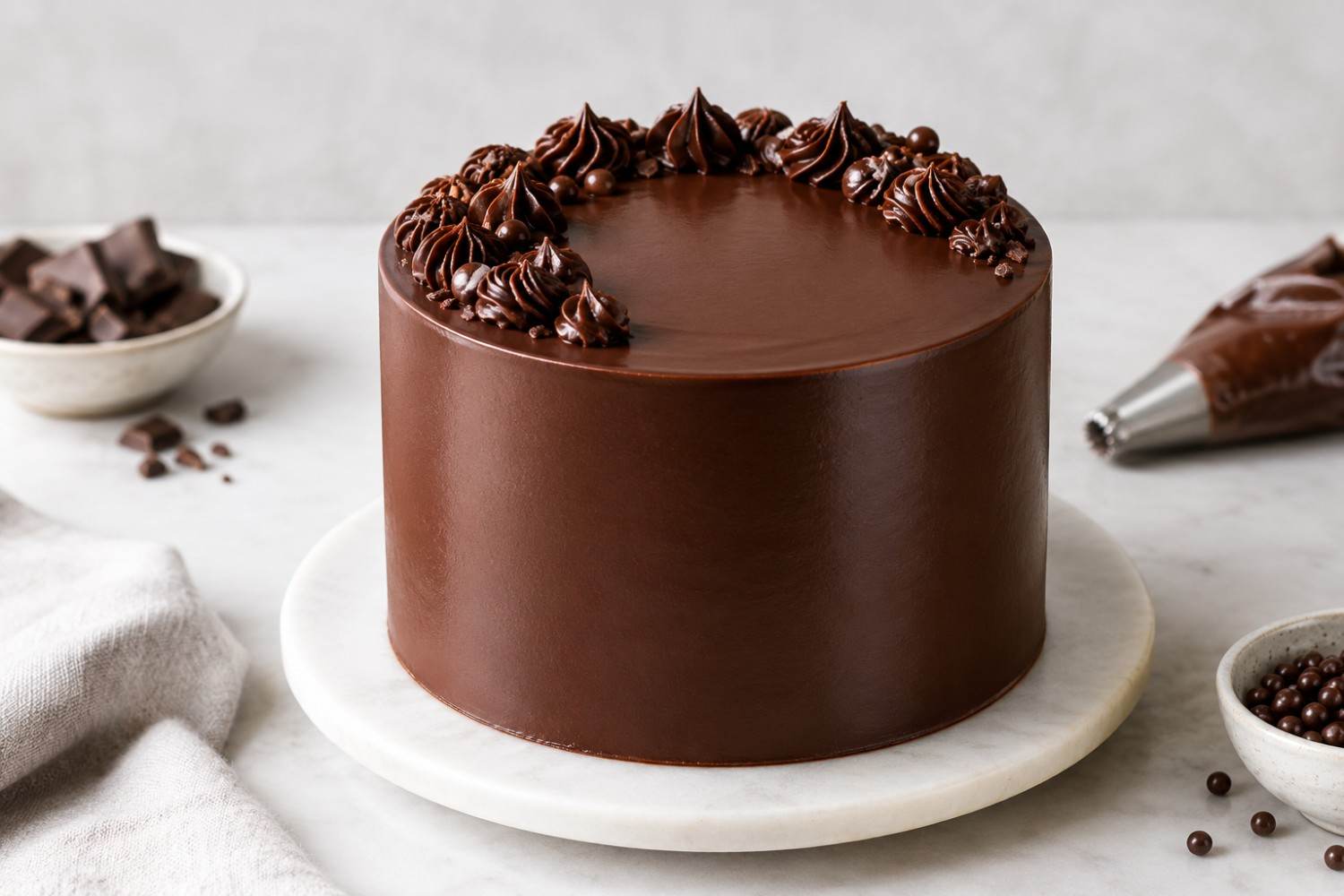
A firm cake ganache sets much harder than buttercream. That makes it ideal for the sharp, clean edges you see on modern celebration cakes, and it’s a sturdy base under fondant too.
It Creates the Famous Drip Look
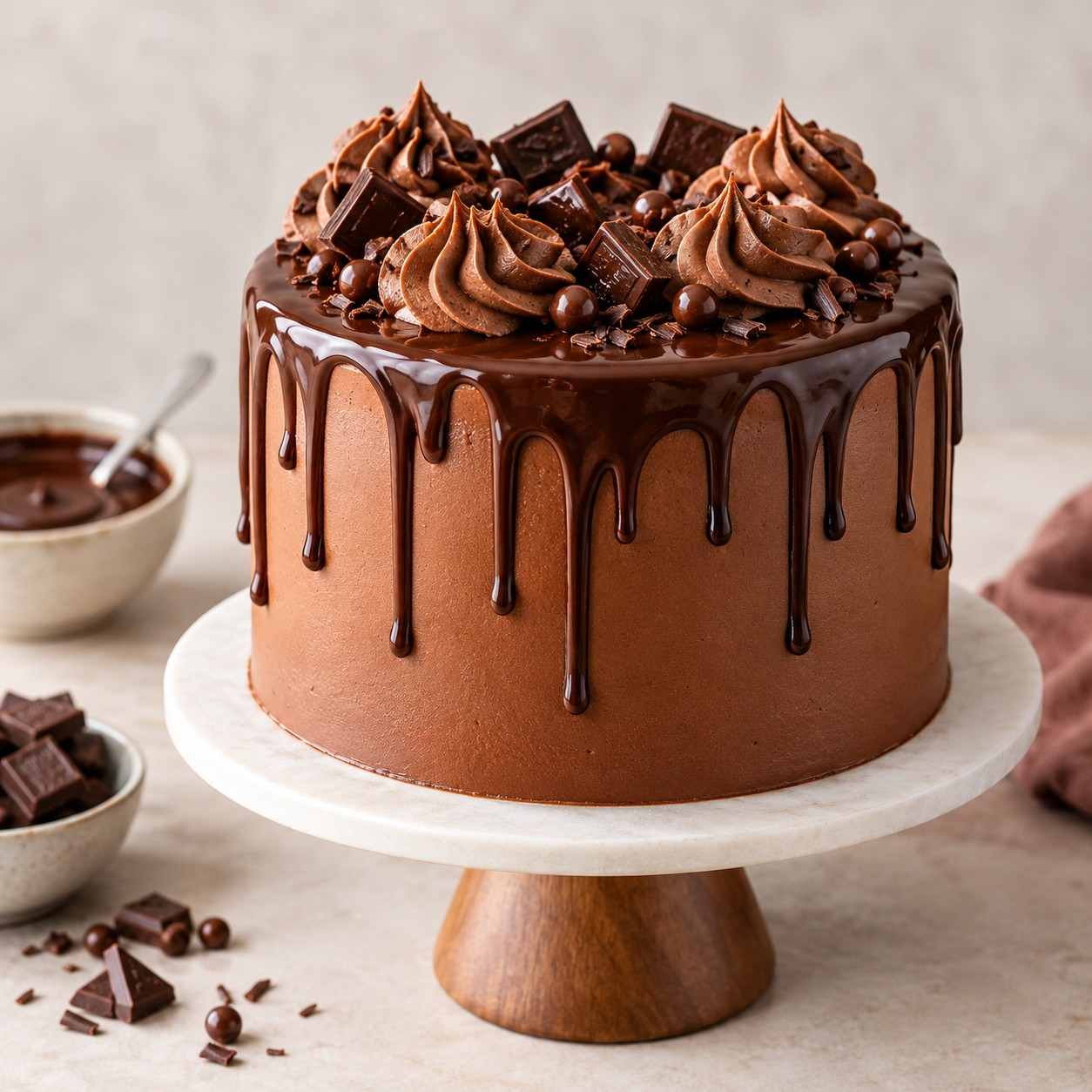
The drip cake remains one of the most photographed styles around. A ganache drip gives that glossy, slow-running effect that instantly makes a cake look generous and indulgent.
It’s the Flavour People Love Most
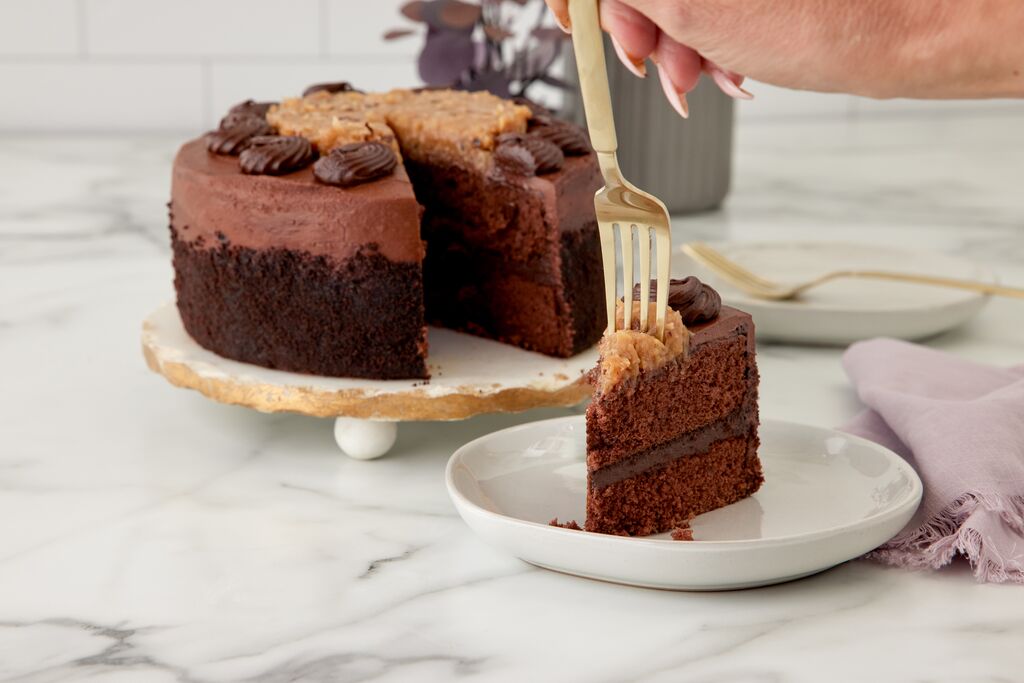
Chocolate is one of the most loved cake flavours, and it’s always a safe pick for any celebration. While buttercream tastes mostly of butter and sugar, ganache brings a rich chocolate flavour that most customers instantly enjoy. For bakeries, that makes ganache cakes an easy bestseller.
It’s Incredibly Versatile
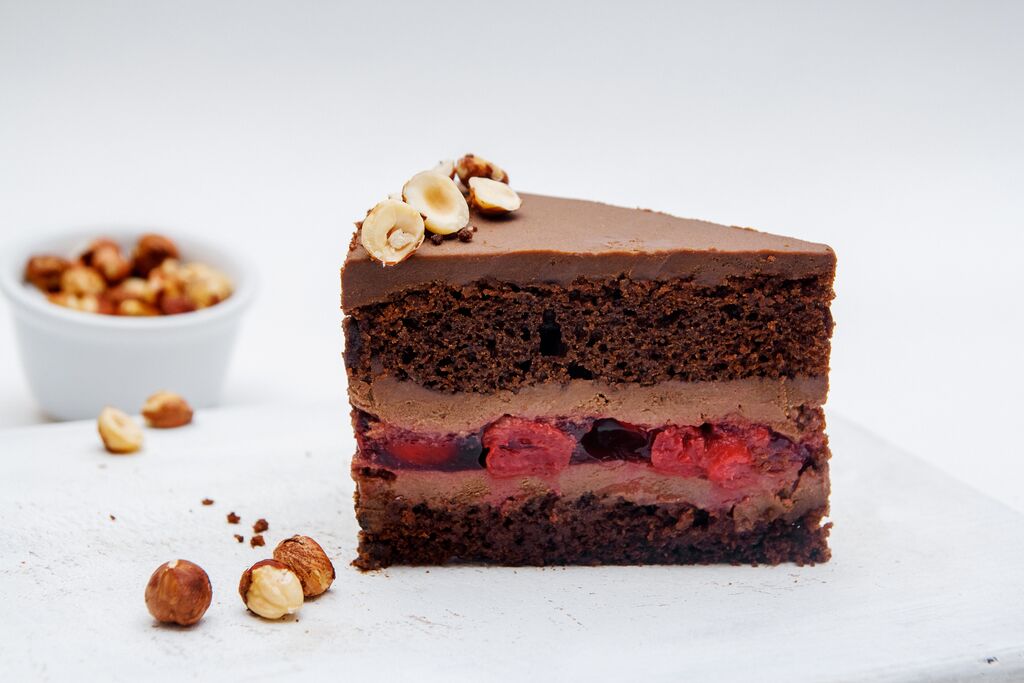
One base recipe can be a glaze, a filling, a frosting, a drip or a truffle. For busy bakeries, that flexibility saves time and keeps menus interesting.
It Handles Warmth Better Than Buttercream
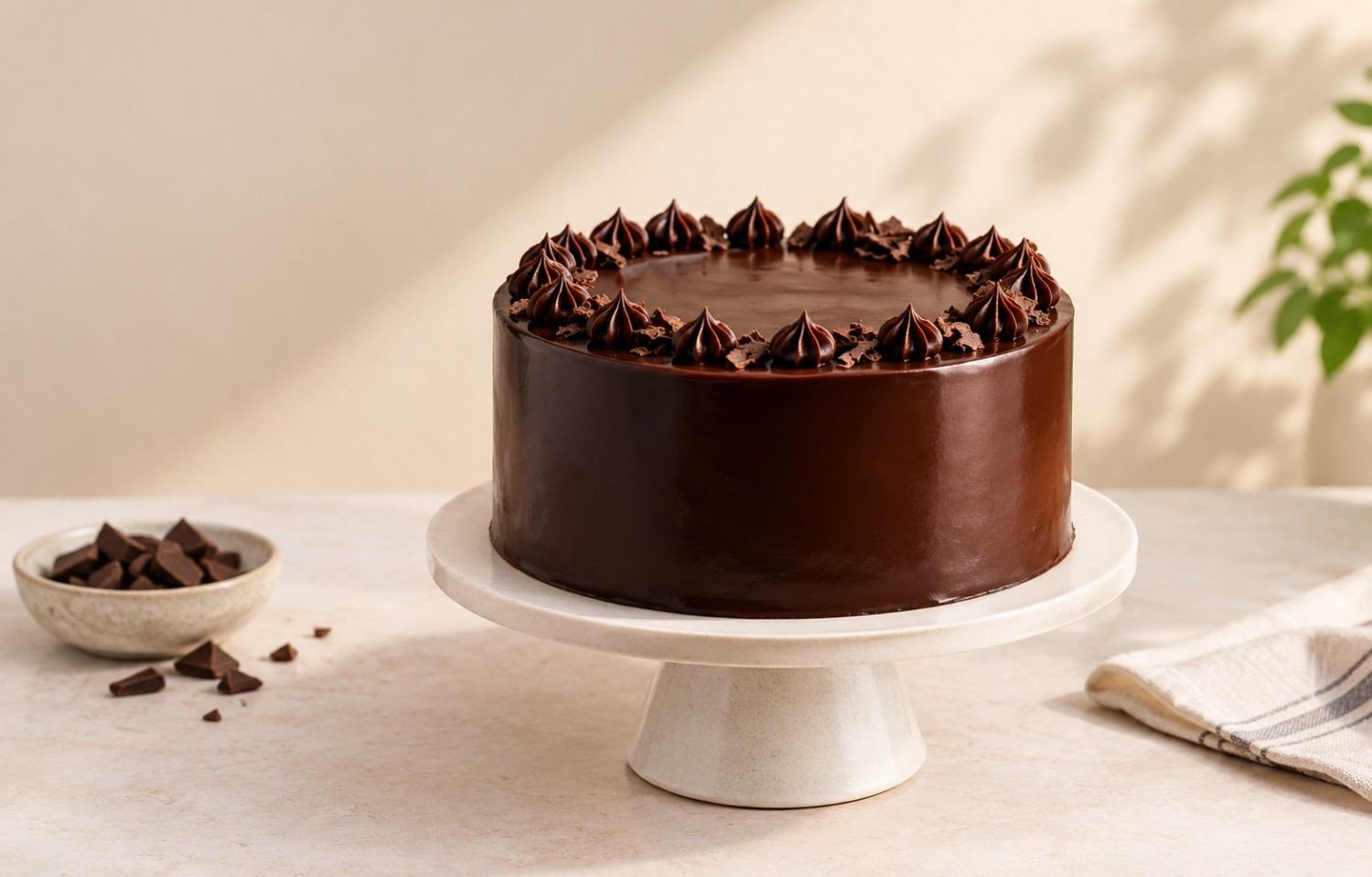
A properly set dark chocolate ganache holds its shape better than many butter-based frostings in warm conditions. That’s a big plus for cakes that travel across town in an Indian summer, though they still need to be kept cool.
It’s Now Available Ready to Use
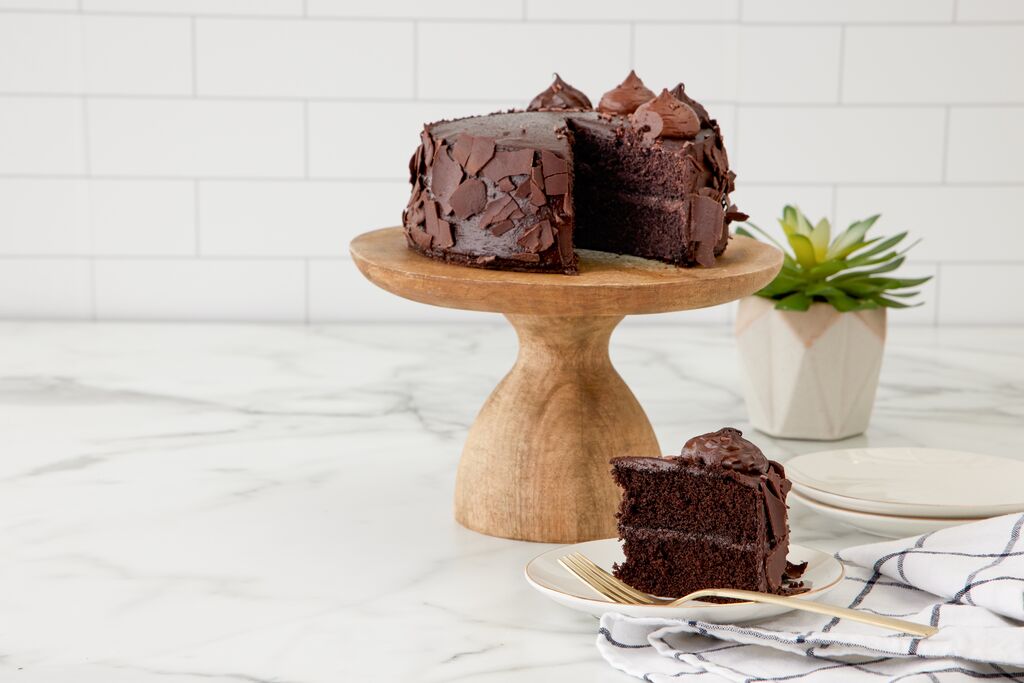
Traditionally, ganache had to be made from scratch by heating cream, mixing it with chocolate and waiting for it to set, often overnight. Today, Rich’s ready-to-use truffle range lets bakers simply thaw and use it directly. It saves time and effort, avoids wastage and makes it easier to deliver more chocolate cakes on busy days and for last-minute orders.
Chocolate Ganache Ratios: The Key to Getting It Right
The single most important thing about ganache is the ratio of chocolate to cream, measured by weight. More chocolate means a firmer ganache; more cream means a softer one.
| Use | Dark Chocolate : Cream | Texture When Set |
|---|---|---|
| Glaze or ganache drip | 1 : 1 | Pourable when warm, soft when set |
| Whipped filling | 1 : 1 to 1 : 2 | Light and fluffy once cooled and whipped |
| Ganache frosting (spreadable) | 3 : 2 | Smooth, creamy and easy to spread |
| Firm coating for sharp edges | 2 : 1 | Sets firm; good under fondant |
| Truffles | 2 : 1 or more | Firm enough to scoop and roll |
Using milk or white chocolate? These contain more milk solids and sugar, so they set softer. Use roughly 2:1 to 3:1 (chocolate to cream) for milk chocolate, and about 3:1 for white chocolate, to get a similar texture.
Easy Chocolate Ganache Recipe
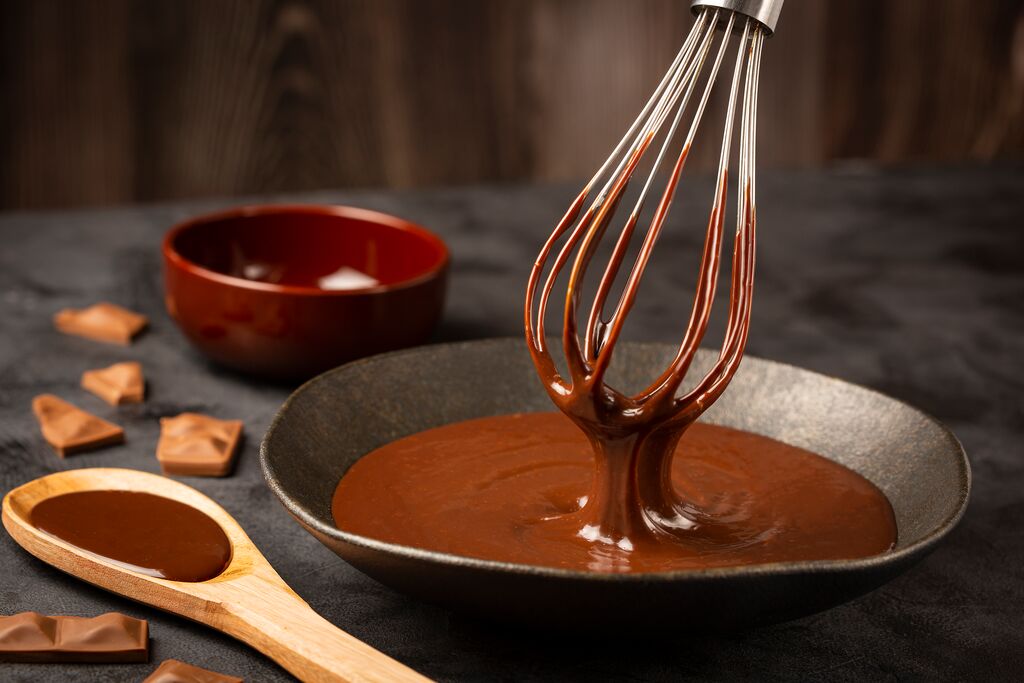
This basic chocolate ganache recipe makes a smooth, all-purpose ganache you can pour, spread or whip.
You’ll need:
- 200 g dark chocolate, finely chopped
- 200 ml fresh cream (25% to 35% fat)
- Optional: a pinch of salt, 1 tsp vanilla or 1 tbsp butter for extra shine
Method:
- Chop the chocolate finely. Smaller pieces melt evenly. Place them in a heatproof bowl.
- Heat the cream. Warm it in a saucepan until it just starts to simmer at the edges. Don’t let it boil hard.
- Pour and wait. Pour the hot cream over the chocolate and leave it untouched for 2 to 3 minutes.
- Stir from the centre. Using a spatula, stir gently in small circles from the middle outwards until smooth and glossy.
- Cool to the right stage. Use it warm as a glaze, at room temperature as a drip, or once thickened as a frosting.
This 1:1 version is perfect for drips and glazes. For a thicker ganache frosting, increase the chocolate to 300 g with the same 200 ml of cream.
How Do You Make a Perfect Ganache Drip?
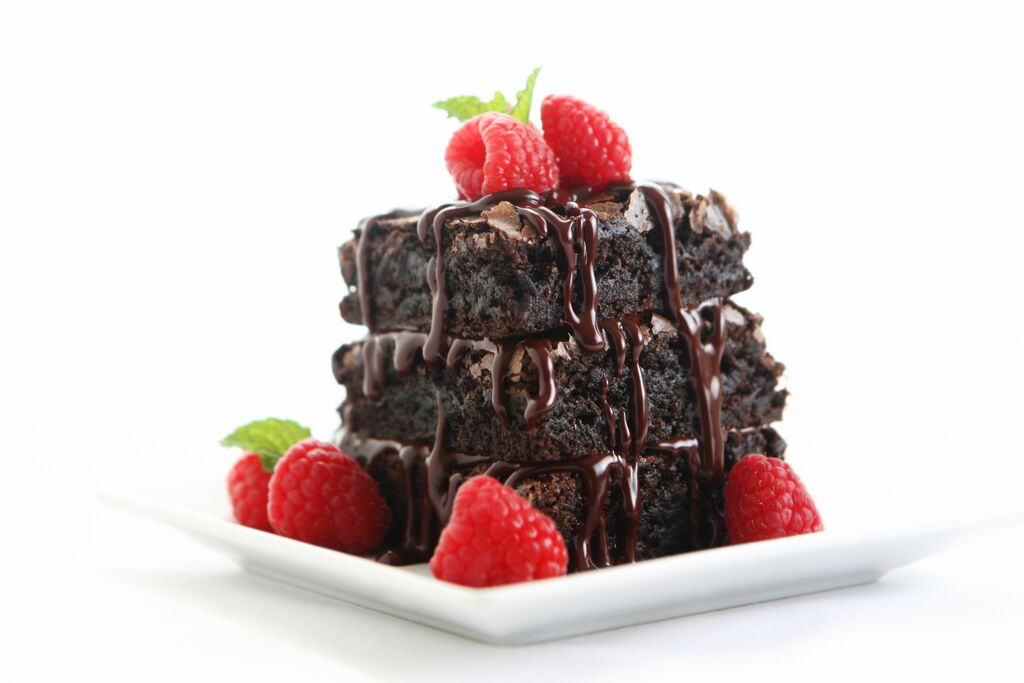
A clean drip is all about temperature. Here’s what works:
- Chill the cake first. A cold, firm frosting slows the drips so they stop partway down.
- Get the ganache temperature right. Aim for roughly 30°C to 32°C, slightly warm to the touch. Too hot and it runs to the board; too cool and the drips look short and stubby.
- Do a test drip. Try one drip at the back of the cake before doing the rest.
- Edges first, then the top. Use a spoon or squeeze bottle for the drips, then fill in the top and smooth it gently.
Ganache vs Buttercream vs Whipped Cream: Which Should You Use?
| Feature | Ganache | Buttercream | Whipped Cream |
|---|---|---|---|
| Main ingredients | Chocolate and cream | Butter and sugar | Cream or whipped topping |
| Flavour | Rich, deep chocolate | Sweet and buttery | Light and milky |
| Finish | Glossy or smooth matte | Smooth or textured | Soft and airy |
| Sharp edges | Excellent | Good | Limited |
| Best for | Drips, coating, filling, truffles | Piping, colourful designs | Fresh cream cakes, pastries |
Many modern cakes combine them. A light whipped cream or whipped topping cake finished with a cake ganache drip, for example, is one of the most popular styles in Indian bakeries. For a stable, easy-to-pipe base, bakers often use whipped toppings like those from Rich’s.
What Mistakes Should You Avoid With Chocolate Ganache?
Ganache is simple, but a few small slips can spoil the texture. Here’s a quick troubleshooting guide.
| What Goes Wrong | Likely Cause | How to Fix It |
|---|---|---|
| Ganache looks oily or split | Cream too hot or over-stirred | Whisk in 1 to 2 tbsp warm milk or cream, or blitz with a hand blender |
| Grainy or lumpy texture | Chocolate pieces too big or cream too cool | Warm gently over a water bath and stir until smooth |
| Too runny to spread | Not enough chocolate, or still warm | Let it cool longer, or melt in more chocolate |
| Too stiff to work with | Too much chocolate, or over-chilled | Warm in short 5-second bursts and stir |
| Drips run to the bottom | Ganache too hot or cake too warm | Chill the cake and let the ganache cool a little |
| Dull, waxy finish | Low-quality compound chocolate | Use good couverture or a quality compound for coating |
Couverture or Compound Chocolate: Which Is Better for Ganache?
In India, bakers usually choose between two types of chocolate:
- Couverture chocolate contains real cocoa butter. It gives a richer flavour and a silkier, glossier ganache. It’s the better choice for premium cakes and truffles.
- Compound chocolate uses vegetable fat instead of cocoa butter. It’s more affordable, easier to handle and sets firmer, but the flavour is milder.
Many professional bakers use couverture for fillings and truffles, where flavour matters most, and compound for large coatings or drips where cost and stability count.
How Should You Store Cake Ganache?
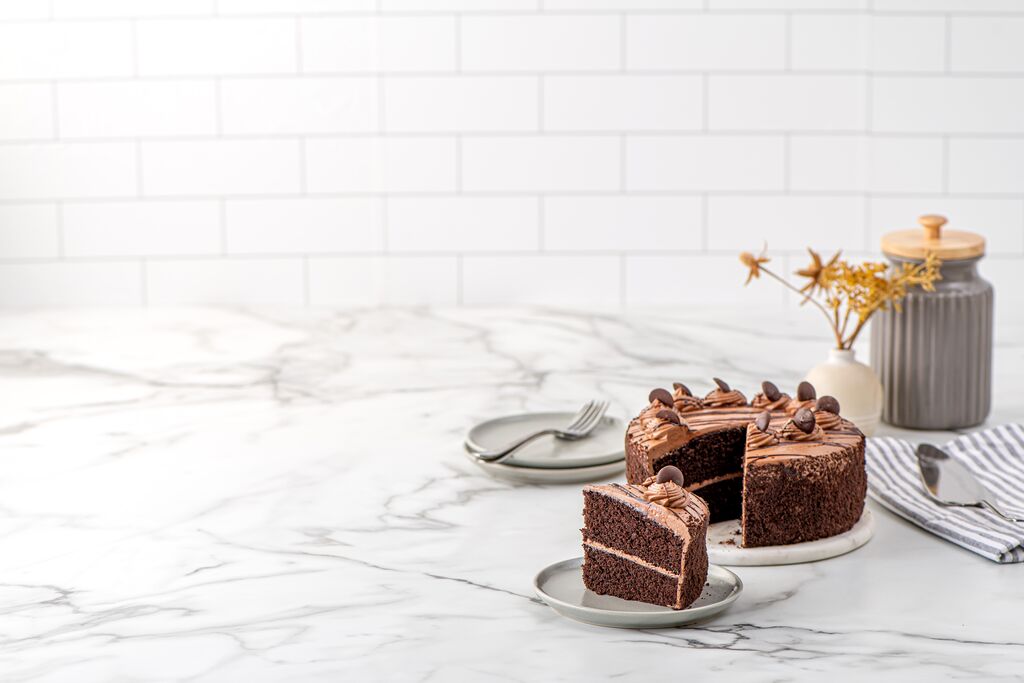
Because it contains fresh cream, ganache needs some care, especially in hot weather:
- Room temperature: fine for a few hours in a cool, air-conditioned room.
- Refrigerator: keeps for about a week in an airtight container. Warm gently before using.
- Freezer: keeps for up to 2 to 3 months. Thaw in the fridge overnight.
Ganache-covered cakes should be kept in the fridge and brought out about 30 minutes before serving so the ganache softens and the flavour comes through.
Frequently Asked Questions
1. What is chocolate ganache made of?
Chocolate ganache is made of just two ingredients: chocolate and hot cream. Some recipes add butter, glucose or a pinch of salt for extra shine and flavour.
2. What is the best ratio for a chocolate ganache recipe?
For dark chocolate, use 1:1 (chocolate to cream) for drips and glazes, 3:2 for a spreadable frosting and 2:1 for firm coatings or truffles. Always measure by weight.
3. Can I use ganache frosting instead of buttercream?
Yes. Ganache frosting is less sweet, tastes more chocolatey and gives sharper edges. Let it cool until it’s thick and spreadable, like peanut butter, before using it.
4. Why did my ganache split?
Ganache usually splits when the cream is too hot or the mixture is stirred too hard. Whisk in a spoonful of warm milk or use a hand blender to bring it back together.
5. What temperature should a ganache drip be?
Around 30°C to 32°C, slightly warm to the touch. Always test one drip on a chilled cake before doing the whole cake.
6. Can I make ganache with white chocolate?
Yes, but white chocolate sets softer, so use more chocolate, about 3 parts chocolate to 1 part cream. It’s ideal for colourful drips.
7. Does cake ganache need to be refrigerated?
Yes, in most Indian weather. Ganache contains fresh cream, so keep it refrigerated and bring the cake out a little before serving.
8. Can I make ganache without cream?
Yes. Ganache can be made with milk, coconut cream or even water, as long as the ratio is adjusted. These versions are lighter and slightly less rich.
References & Citations
- King Arthur Baking Company. How to Make Ganache.
- King Arthur Baking Company. Chocolate Ganache Recipe.
- BBC Good Food Middle East. Chocolate Ganache.
- Food Network. What Is Ganache? ]
- Food Republic. The Flavor Difference Between Couverture and Compound Chocolate.
- Wikipedia. Ganache (history and etymology).