How to Price Bento Cakes for Your Home Bakery
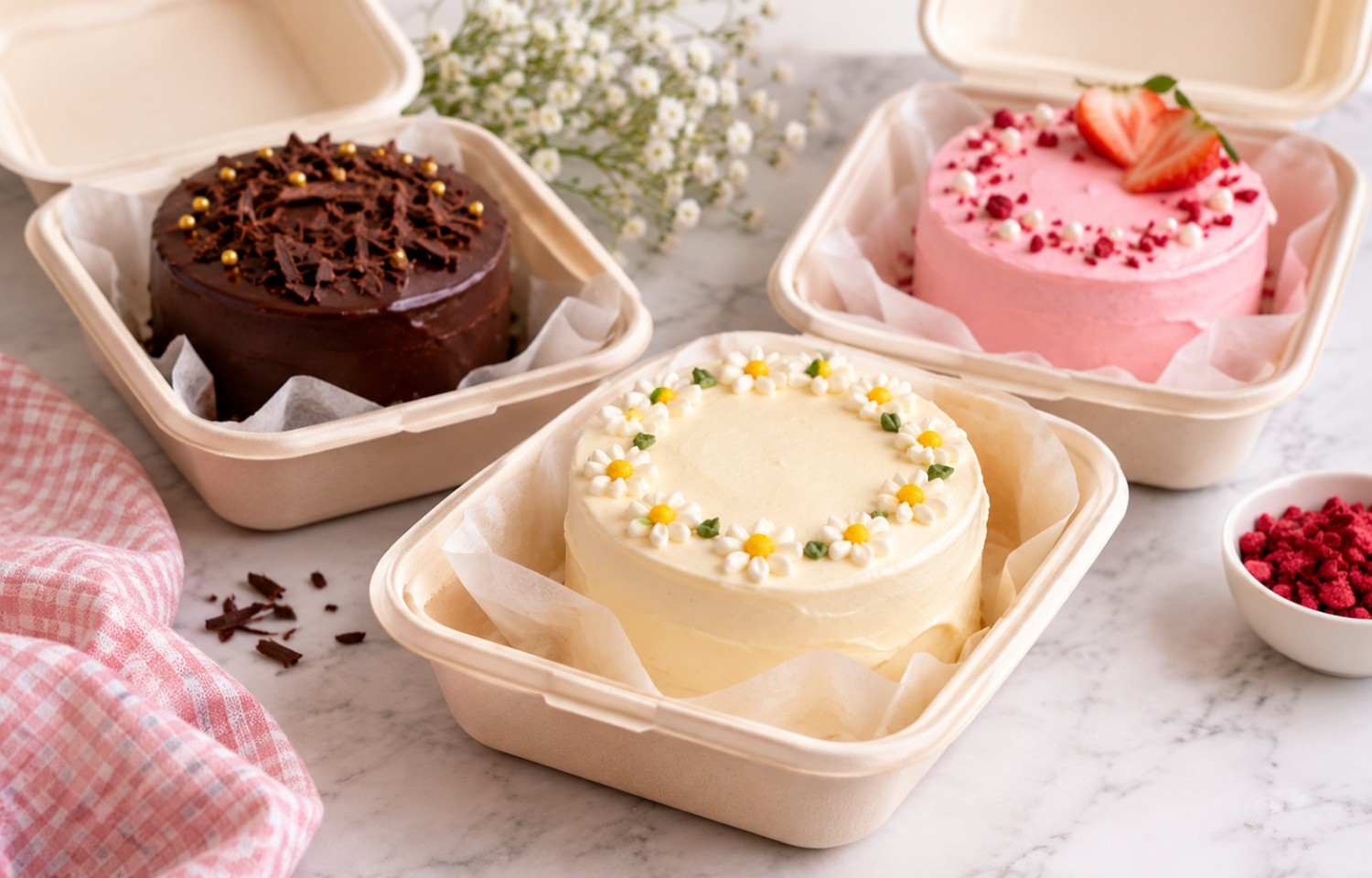
Bento cakes look simple. A small cake, a bit of piped cream, a cute message on top, packed in a clamshell box. That simplicity is exactly why so many home bakers underprice them. “It’s only a small cake” turns into ₹300 orders that barely cover the cream cheese. If you run a home bakery, getting the bento cakes price right is the difference between a fun side project and a business that actually pays you. This guide walks you through what bento cakes usually sell for in India, how to work out your own cost, and how to set a price you can defend.
What Is the Price of Bento Cake in India?
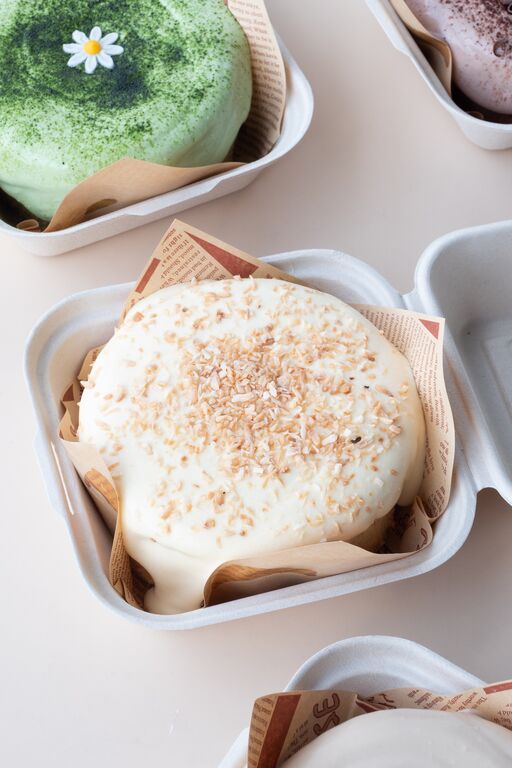
In India, most bento cakes are priced between ₹350 and ₹900. Plain flavours from home bakers usually sit at the lower end, while premium flavours, detailed designs and big-city delivery push the price higher. Bento cheesecakes generally cost more because of the cream cheese. Ferns N Petals also launched bento cakes nationally in 2023 priced from ₹449 onward for 250-300 g cakes. Online gifting sites mostly have designs priced somewhere between ₹700-₹900 approx in metro cities while small local bakeries on delivery apps have basic flavors at cheaper prices. So when a customer asks “what is the price of bento cake?”, the honest answer is that it depends on size, flavour, design and where you are. Your job is to know your own numbers, not just copy the market. A bento cakes price that works for a big brand with bulk buying may not work for a home bakery buying ingredients in small packs.
Why Bento Cakes Are Worth Pricing Properly
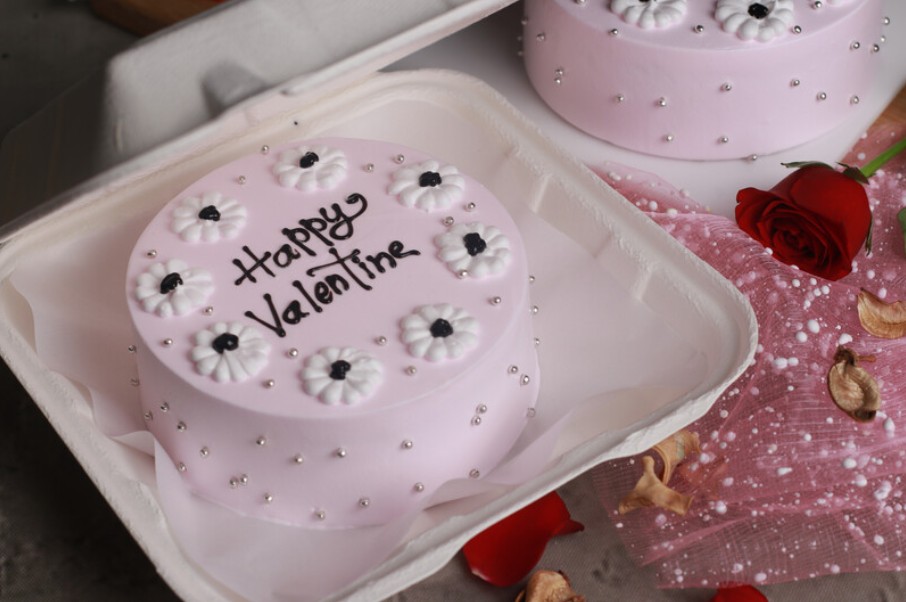
Bento cakes are one of the best products a home bakery can sell. They use less batter than a full cake, they’re quick to decorate, and customers order them for small moments like a friend’s birthday, an anniversary, a “sorry” or a “congrats”. That means repeat orders all year, not just during festivals. But small cakes have a hidden trap. Your packaging, your time and your gas don’t shrink just because the cake did. If you price a bento cake by weight alone, you’ll lose money on every order.
How to Work Out Your Bento Cakes Price, Step by Step
Use this simple formula: Ingredients + Packaging + Overheads + Your Time = Total Cost. Then add your profit margin.

1. Ingredient cost
Write down every ingredient and the exact amount one cake uses: flour, sugar, butter, milk, cocoa, whipping cream, colours, sprinkles. Divide the pack price by the quantity in the pack to get a per-gram cost. It feels slow the first time, but you’ll only need to do it once per recipe.
2. Packaging
This is where bento cakes cost more than people think. Count the clamshell box, the base board, the mini spatula or spoon, a candle, a sticker and a carry bag. Together these can easily add ₹40 to ₹70 per order.
3. Overheads
Add a small amount for oven electricity or gas, cleaning supplies, your piping bags, and your phone and internet for taking orders. Many home bakers keep it simple and add a flat ₹20 to ₹30 per cake.
4. Your time
Decide what an hour of your time is worth, then add it. Baking, cooling, decorating, writing the message, packing and handing over the order all count. If you skip this step, you’re working for free.
5. Profit margin
Once you have your total cost, add a margin on top. Many home bakers aim for 30% to 50% above cost, more for custom designs.
A Worked Example
Here’s how the numbers might look for a 4-inch chocolate bento cake. Your own costs will vary by city and supplier.
- Ingredients: ₹150
- Packaging (box, board, spoon, candle, sticker): ₹55
- Overheads: ₹25
- Time (1 hour at ₹150): ₹150
- Total cost: ₹380
- Add a 40% margin: about ₹150
- Selling price: around ₹530, rounded to ₹549
That bento cakes price is comfortably inside the usual market range, and you’re paid for every minute you spent on it.
How to Set a Bento Cheesecake Price
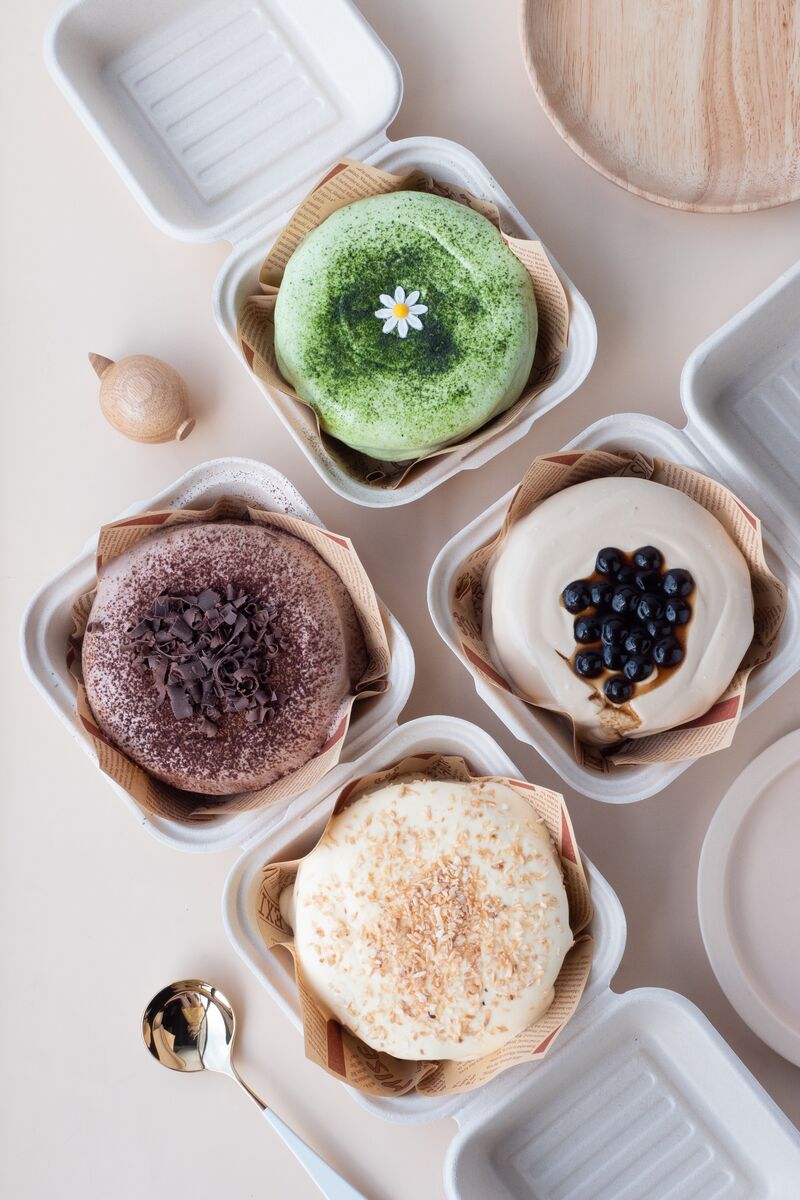
Cream cheese is one of the most expensive ingredients in a home bakery, so a bento cheesecake price should always be higher than a regular bento cake. Baked and no-bake cheesecakes also need longer setting time in the fridge, which ties up space and planning. A good rule is to price a bento cheesecake at least ₹150 to ₹250 above your regular bento cake of the same size. Flavours like Biscoff, blueberry or Nutella can go higher still, because the toppings cost more and customers expect to pay for them. Work out your bento cheesecake price with the same five-step formula, just with the higher ingredient cost plugged in.
Things That Should Raise Your Bento Cakes Price
- Custom designs: character drawings, photo prints, detailed piping or hand-lettered messages.
- Premium flavours: red velvet, Biscoff, Nutella, fresh fruit, pistachio.
- Eggless or special diets: if your eggless version needs different ingredients, price it accordingly.
- Rush orders: same-day or late-night orders are worth a surcharge.
- Delivery: charge it separately so customers can see what they’re paying for.
Ways to Earn More Without Raising Prices
- Sell combos: a bento cake with two cupcakes or a pack of brownies raises the order value.
- Offer add-ons: extra candles, a greeting card, a balloon or a chocolate bar.
- Fix a short menu: four or five flavours make buying easier and cut down on wasted stock.
- Use reliable ingredients: a stable whipped topping like Rich’s Whip Topping Gold holds piping in Indian heat, so fewer cakes come back damaged or need redoing.
For flavour and design ideas that sell well in small formats, see our guides to viral jar desserts and fusion dessert flavour combinations.
Don’t Forget the Legal Side of Your Home Bakery
Every home bakery in India that sells food needs to be registered with the Food Safety and Standards Authority of India (FSSAI). From 1 April 2026, FSSAI raised the turnover limit for Basic Registration from ₹12 lakh to ₹1.5 crore, so most home bakers now only need the simpler, cheaper Basic Registration rather than a State Licence. Displaying your FSSAI number on your boxes and Instagram page also builds trust, which makes it easier to charge a fair price.
Common Pricing Mistakes Home Bakers Make
- Copying a competitor’s price without knowing their costs or yours.
- Leaving out packaging, which can be a big share of a small cake’s cost.
- Not paying yourself for decorating and packing time.
- Never reviewing prices. Butter, cream and cocoa prices change. Check your costs every few months.
- Discounting too often. Regular discounts train customers to wait for the next offer.
Frequently Asked Questions
1. What bakery supplies do I actually need to open?
Less than you think. If you can make your top five products with what’s on your shelf, you’re ready. For most bakeries that’s maida, sugar, cocoa, baking powder and soda, butter, oil, condensed milk, one good whipped topping, some chocolate, a couple of essences and colours, and boxes. Everything else can wait until a customer actually asks for it.
2. Where do bakeries buy wholesale baking supplies in India?
Your city’s wholesale market is still the cheapest place for flour, sugar and boxes, so one trip every couple of weeks is worth it. For creams, toppings and anything frozen, ordering from a B2B app like Hyperpure is easier. It turns up at your door and stays cold on the way.
3. Is it really cheaper to buy bakery ingredients in bulk?
For flour, sugar and oil, almost always. For cream cheese, nuts or baking powder, not really. They lose quality before you can finish a big pack, and whatever you saved on price ends up in the bin.
4. How do I know if a bakery ingredients supplier is any good?
Ask to see their FSSAI licence first. Then place one or two small orders and watch what happens. Did it arrive on time? Was the frozen stock still frozen? Did someone pick up the phone when an item was missing? That tells you more than any price list.
5. Which whipped cream works best in a hot Indian kitchen?
Regular fresh cream struggles once the kitchen warms up. Most bakeries switch to a stabilised whipped topping made for bakery use, which holds piping for hours instead of minutes. Just keep it at the temperature printed on the pack, and don’t thaw it on the counter.
Conclusion
The right bento cakes price isn’t a guess or a copy of the bakery down the road. Add up your ingredients, packaging, overheads and time, then put a fair margin on top. Price your bento cheesecake higher, charge for custom work, and review your numbers every few months. Do that, and your home bakery will earn properly from every little box that leaves your kitchen.