Tres Leches Cake Mix Ingredients: What Goes Into a Perfectly Moist Cake?
Anyone who has baked a tres leches knows the nervous moment. You pour a jug of milk over a freshly baked sponge and hope it turns into something soft and luscious, not a soggy puddle. Whether it works or not depends far less on luck than on what went into the cake in the first place.
A great tres leches is really two products working together: a sponge built to drink liquid, and a milk soak balanced for sweetness and richness. Get both right and you have a cake that’s moist all the way through but still holds a clean slice.
At Rich’s, we help bakeries and cafés across India build consistent, high-quality bakes every day, and tres leches is one of the products they ask about most. In this guide, we break down the ingredients for tres leches cake one by one, explain what’s inside a typical premix, and share how to get a perfectly moist result every time.
What Are the Main Ingredients for Tres Leches Cake?
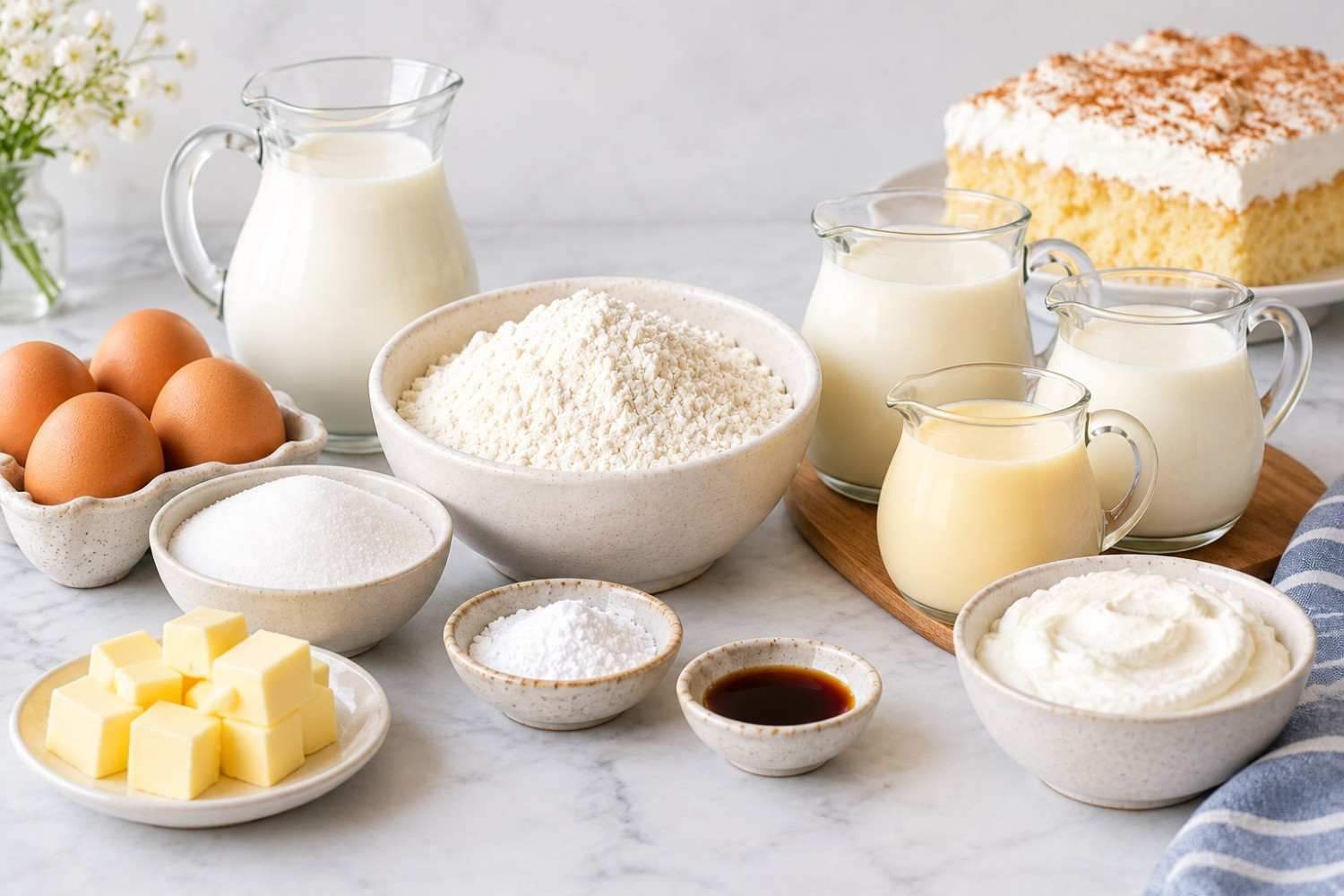
The main ingredients for tres leches cake are flour, eggs (or an eggless substitute), sugar, baking powder and vanilla for the sponge, plus evaporated milk, sweetened condensed milk and fresh cream for the soak. A whipped cream topping finishes the cake.
That’s it. Nothing exotic. What separates an average cake from a great one is how these ingredients are balanced and handled.
Tres Leches Cake Ingredients List at a Glance
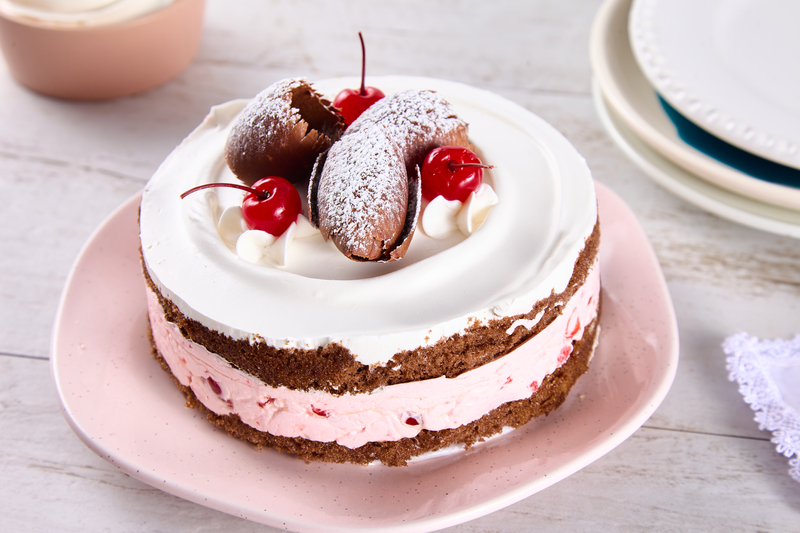
Here’s a complete tres leches cake ingredients list, split into the three parts of the cake.
| Part of the Cake | Ingredient | Its Job |
|---|---|---|
| Sponge (cake base) | Refined flour (maida) | Builds structure that holds the soak |
| Eggs | Trap air for a light, open crumb | |
| Sugar | Sweetens and stabilises the whipped eggs | |
| Baking powder | Gives extra lift and a more even rise | |
| Milk | Loosens the batter and adds tenderness | |
| Vanilla and salt | Round out and balance the flavour | |
| Three-milk soak | Evaporated milk | Adds creamy body without extra sugar |
| Sweetened condensed milk | Brings sweetness and a thick, silky feel | |
| Fresh cream | Adds richness and loosens the mixture | |
| Topping | Whipped cream or whipped topping | Light, cool layer on top |
| Cinnamon, fruit or cocoa | Colour, aroma and contrast |
The Tres Leches Cake Base: Why the Sponge Matters Most
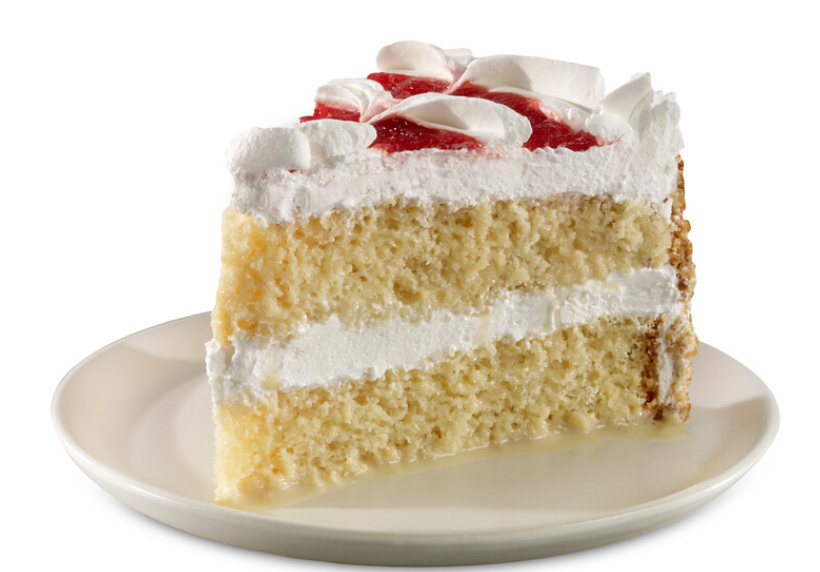
The tres leches cake base is where most problems start or end. A regular butter cake has a tight, fatty crumb that repels liquid, so the milk sits on top or sinks to the bottom. A tres leches sponge needs the opposite: lots of small, open air pockets that soak up milk like a sponge in a sink.
Eggs Do the Heavy Lifting
In a classic recipe, eggs are whipped with sugar until thick and pale. That foam is what creates the open crumb. Many recipes separate the eggs and whip the whites on their own for even more volume.
Little or No Butter
Most traditional versions use very little fat, or none at all. Less fat means a crumb that absorbs liquid more easily and stays light even after soaking.
Gentle Folding
The flour is folded in carefully so the air isn’t knocked out. Over-mixing at this stage is one of the most common reasons a tres leches turns dense.
Eggless Bases
Eggless versions are very popular in India. They usually rely on condensed milk, curd or milk powder, along with baking powder and baking soda, to create lift. The crumb is slightly tighter, so the soak should be added more slowly and given longer to absorb.
What Are Common Cake Mix Ingredients in a Tres Leches Premix?
Many bakeries use a sponge or tres leches premix to save time and get the same result every batch. If you look at the label, the cake mix ingredients usually fall into these groups.
| Ingredient Group | Typical Examples | Why It’s There |
|---|---|---|
| Flour and starch | Refined wheat flour, corn starch | Forms the cake’s structure and a soft crumb |
| Sugar | Fine sugar, sometimes dextrose | Sweetness, tenderness and colour |
| Raising agents | Sodium bicarbonate with an acid such as sodium acid pyrophosphate | Releases gas for an even rise |
| Emulsifiers | Mono- and diglycerides of fatty acids (E471) and similar | Help batter hold air and give a fine, uniform crumb |
| Dairy solids | Milk powder, whey powder | Flavour, colour and moisture |
| Egg solids (in some mixes) | Whole egg powder | Structure and richness; absent in eggless mixes |
| Flavour and salt | Vanilla flavour, iodised salt | Balanced, consistent taste |
How to read the label in India: FSSAI rules require ingredients to be listed in descending order of weight, so whatever comes first makes up the largest share. A green dot in a square means the product is vegetarian, while a brown triangle means it contains non-vegetarian ingredients such as egg. Check this if you’re baking for customers who need eggless cakes.
A good premix doesn’t replace skill, but it does take the guesswork out of weighing and makes it much easier to produce a reliable tres leches cake base in a busy kitchen.
The Three-Milk Soak: Getting the Balance Right
The soak is what makes a tres leches a tres leches. Each milk has a specific role, so swapping one for another changes the result.
| Milk | What It Is | Effect on the Cake |
|---|---|---|
| Evaporated milk | Milk with about 60% of its water removed; no added sugar | Creamy, slightly caramel flavour without extra sweetness |
| Sweetened condensed milk | Concentrated milk with a large amount of added sugar | Thick, very sweet and silky |
| Fresh cream or whole milk | Regular dairy with a higher fat content (cream) | Richness and a lighter, more pourable soak |
A good starting ratio: For an 8 to 9-inch square cake, try about 1 tin of sweetened condensed milk (around 380 to 400 g), 1 tin of evaporated milk (around 350 to 400 ml) and 200 to 250 ml of fresh cream. Taste the mixture before pouring. If it’s too sweet, add more cream or whole milk.
No evaporated milk? It isn’t always easy to find in Indian stores. Simmer full-fat milk on low heat until it reduces by roughly half, then cool it completely before mixing.
How Do You Make a Moist Tres Leches Cake Every Time?
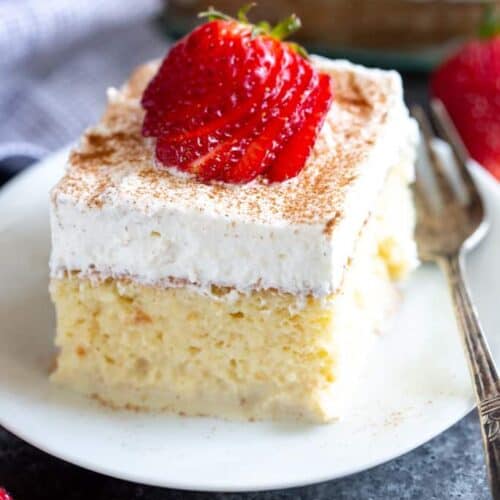
A moist tres leches cake comes down to a few simple habits:
- Bake the sponge just until done. An over-baked sponge turns dry and tough at the edges and won’t soak evenly.
- Poke plenty of holes. Use a fork or skewer all over the surface, right to the edges.
- Soak in stages. Pour about a third of the milk, wait a few minutes, then repeat. This stops pooling at the bottom.
- Match the temperatures. Many bakers pour a cool soak over a slightly warm cake, which helps it absorb faster.
- Rest it overnight. Chill for at least 4 hours, ideally 8 to 12, so the milk spreads evenly through the crumb.
- Top just before serving. A stable whipped topping, such as those from Rich’s, holds its shape well and keeps the finish fresh in warm weather.
What Mistakes Should You Avoid With the Ingredients for Tres Leches Cake?
Most tres leches problems can be traced back to an ingredient or a step. Here’s a quick troubleshooting guide.
| What Goes Wrong | Likely Cause | How to Fix It Next Time |
|---|---|---|
| Cake is soggy and collapsed | Butter-heavy or dense sponge | Use a light, foam-based sponge or a sponge premix |
| Dry centre | Too little soak or not enough resting time | Increase the soak slightly and chill overnight |
| Milk pooling at the bottom | Soak poured all at once | Pour in two or three rounds |
| Cake is far too sweet | Too much condensed milk | Balance with more cream or whole milk |
| Dense, flat sponge | Eggs under-whipped or batter over-mixed | Whip until thick and fold the flour gently |
| Sour smell after a day or two | Stored at room temperature | Keep refrigerated and consume within 2 to 3 days |
Homemade vs Premix: Which Is Better?
Both can make an excellent cake. It mainly depends on how often you bake and how consistent you need to be. If you choose a premix, check that its cake mix ingredients are designed for a light sponge rather than a rich butter cake.
| Factor | From Scratch | Premix |
|---|---|---|
| Control over ingredients | Full control | Fixed formula |
| Consistency | Depends on skill | Very consistent batch to batch |
| Time | Longer prep and weighing | Quicker, fewer steps |
| Best for | Home bakers, small batches | Bakeries, cafés, large orders |
Frequently Asked Questions
- What are the basic ingredients for tres leches cake?
Flour, eggs, sugar, baking powder and vanilla for the sponge; evaporated milk, sweetened condensed milk and cream for the soak; and whipped cream for the topping. - What are the usual cake mix ingredients in a sponge premix?
Most premixes contain refined flour, sugar, starch, raising agents, emulsifiers, milk or whey solids, salt and flavour. Some also include egg powder, while eggless mixes do not. - Can I use a regular cake mix for tres leches?
You can, but a light sponge-style mix works best. Butter-heavy or very dense mixes don’t absorb the milk well and can turn soggy. - What makes a moist tres leches cake?
An airy sponge, a well-balanced three-milk soak poured in stages, and at least 4 to 12 hours of resting time in the fridge. - What can I use instead of evaporated milk?
Simmer full-fat milk until it reduces by about half, then cool it completely. It works as a close substitute in the soak. - Can tres leches cake be made eggless?
Yes. Eggless versions use condensed milk, curd or milk powder with baking powder and soda for lift. Soak slowly, as the crumb is slightly denser. - Why is my tres leches cake base too dense?
Usually the eggs weren’t whipped enough or the batter was over-mixed after adding flour. Whip until thick and fold gently. - How long does tres leches cake last?
About two to three days in the fridge, covered. Because it’s full of dairy, it shouldn’t be left out at room temperature for long.
References & Citations
- King Arthur Baking Company. Tres Leches Cake Recipe.
- Tasting Table. The Complicated Origins Of The Tres Leches Cake.
- MasterClass. Evaporated Milk vs. Condensed Milk: What’s the Difference?
- BAKERpedia. A Guide to Emulsifiers for Cake Products.
- Food Safety and Standards Authority of India (FSSAI). Food Safety and Standards (Labelling and Display) Regulations, 2020 – Compendium.
- USDA Agricultural Marketing Service. Commercial Item Description: Milk, Evaporated, Shelf Stable.