What Is Cooking Cream? Uses, Recipes, and Tips for Perfect Dishes
Ever paused in the middle of sautéing something creamy and thought, “Wait, just what is cooking cream exactly?” If you have, you’re in good company. This deceptively simple ingredient hides something powerful: a creamy foundation that holds up under heat, delivers rich texture, and lets you whip up refined meals without the drama. Let’s explore what cooking cream is, discover its many cooking cream uses, dive into cooking cream recipes you’ll love, and learn how to use cooking cream the right way—especially if you’ve wondered about the difference between cooking cream and whipping cream.
Defining the Ingredient: What Is Cooking Cream?
So, what is cooking cream? It is a type of cream that is designed to be stable during cooking. Cooking cream won’t split or curdle when added to a hot sauce like a lighter cream does; it has been specially formulated for stability during temperature extremes, so it stays creamy and can be used in sweet and savory applications.
In most kitchens, you’ll encounter lighter creams for pouring and whipping, and heavier creams designed for desserts. Cooking cream sits somewhere in the middle: rich enough to remain luxurious, yet robust enough not to panic when you sauté, simmer, or boil. Once you understand how to use cooking cream, you’ll see just why it becomes an unsung hero in so many recipes.
Why It Matters: Cooking Cream Uses & Benefits
What are the main cooking cream uses? Think about creamy pasta sauces, silky soups, indulgent gravies, or even dessert fillings where you don’t want to worry about separation. Because cooking cream won’t split, it supports your creative freedom in the kitchen.
Here are the benefits at a glance:
- Heat-stable texture: Ideal when you want to simmer or sauté without curdling.
- Versatile application: Works for both main courses and desserts, so the “sweet or savory” question vanishes.
- Consistent results: When you know how to use cooking cream, you trust it gets the job done.
- Elevated feel: Even simple dishes become restaurant-style with the right cream.
Cooking Cream Recipes You’ll Want to Try
Now that we know what cooking cream is and how to use it, let’s get into some cooking cream recipes—these are practical ideas to help you use cooking cream in your home cooking:
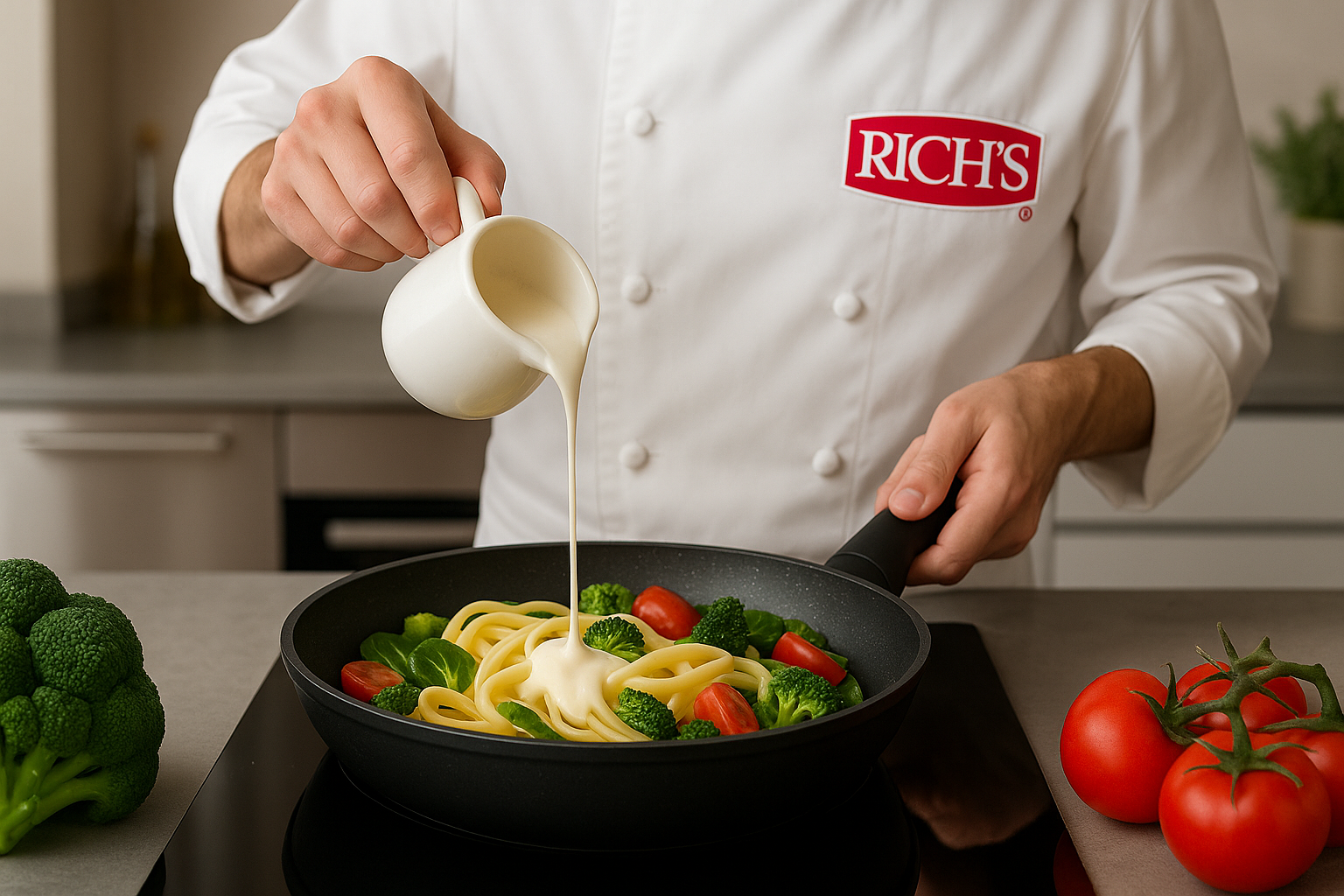
- Creamy Tomato Pasta: Add olive oil, garlic, and chopped tomatoes to the pan, warm through, then add some cooking cream and fresh basil. Delicious sauce that sticks to every noodle!
- Butter Paneer Masala Upgrade: To add richness to a fan favorite Indian dish, a dash of cooking cream at the end of cooking will elevate your dish from “good” to “chef’s special.”
- Velvety Mushroom Soup: Sauté your mushrooms and onions, deglaze with wine or stock, then add cooking cream for a soup that will be smooth and comforting.
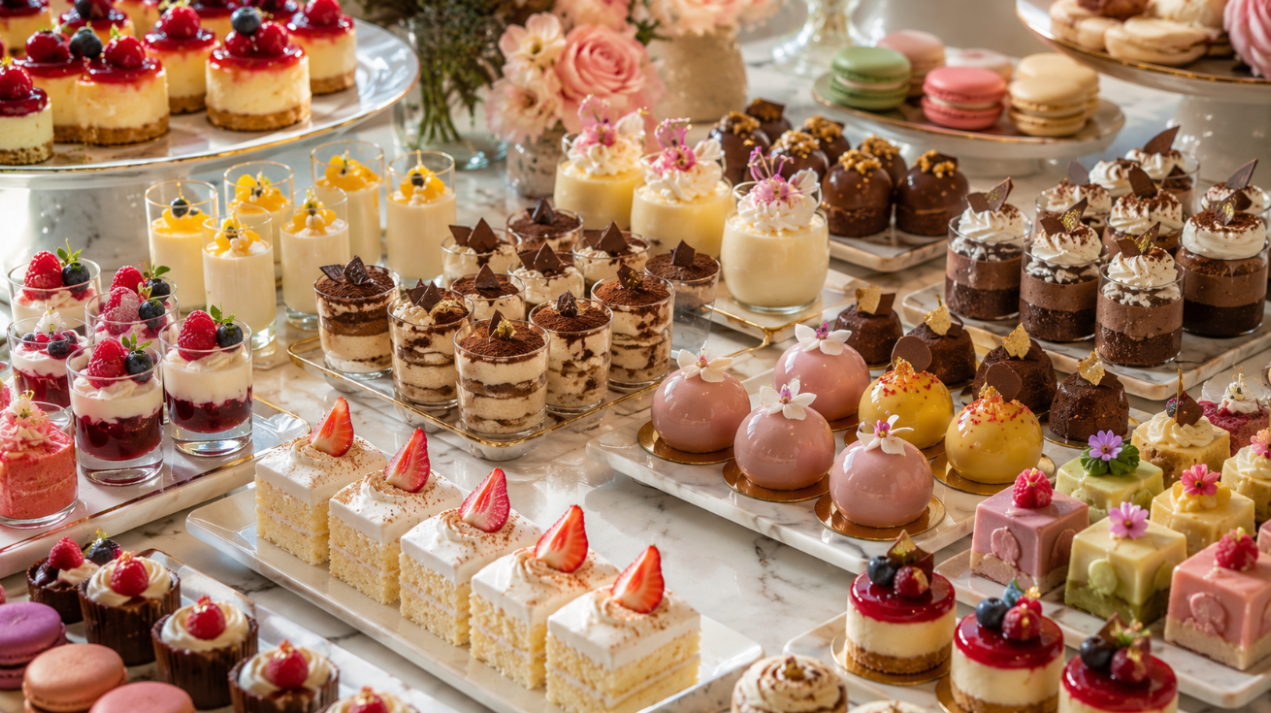
- Dessert Fruit Parfait: Use cooking cream in place of heavier creams for a light filling for your dessert, which holds its shape with toppings like fruit or syrups.
These examples highlight how the use of cooking cream spans the spectrum from mains to desserts. Knowing how to use cooking cream means you can confidently switch between a savoury meal and a sweet finale.
How to Use Cooking Cream: Step-by-Step Tips
So you’ve picked up that carton of cooking cream—now what? Here are practical steps for how to use cooking cream effectively:
Read the label: Ensure your product is designed for cooking—not just whipping.
- Temper if required: If you’re adding cream to a very hot base, gently warm the cream first.
- Stir in last: For sauces or pasta, add the cooking cream once your main ingredients are nearly cooked to preserve texture.
- Simmer gently: Reduce over low heat, this avoids unnecessary separation and keeps flavour intact.
- Use it in desserts too: Yes, you can! If you’ve ever asked how to use cooking cream in a pudding or mousse, the answer is here: treat it as a base that won’t collapse under toppings.
Understanding the Difference Between Cooking Cream and Whipping Cream
One frequently asked question is the difference between cooking cream and whipping cream. It’s simple but important when you want to optimise your dishes.
- Whipping cream is designed to aerate, it has higher fat content and can hold peaks.
- Cooking cream, in contrast, is built to resist heat and integrate seamlessly into hot or baked dishes. This difference between cooking cream and whipping cream affects everything from texture to application.
So if you’ve tried whipping cream in a simmering sauce and gotten separation, you now know why. That’s exactly where cooking cream shines.
Storage and Selection: Secrets for Perfect Dishes
Cooking cream can let you down each time you use it, but here are some simple tricks to help you get it right:
- Check the fat content on the carton. You should use a cream that is right for the recipe you are considering – in other words, make sure it’s the right cream for a sauce or dessert.
- Keep it refrigerated at all times- changing the temperature, however slight, can alter the viscosity.
- Use your cream within the suggested time frame. A lot of cream-like products allow for “small batch consumption”.
- Do not freeze unless the manufacturer specifies that it can be frozen. Most cooking creams lose their quality when frozen.
- Follow shelf-life guidance, especially when using in bakery setups or commercial kitchens.
With smart selection and storage, you’ll make the most of your cooking cream uses.
Final Whisk
In the world of dairy products, knowing what cooking cream is is more than just helpful – it is life-changing. No matter if you are building elegant sauces, baking fine desserts, or being inventive in everyday cooking, understanding how to work with cooking cream has made my kitchen life easier. And with its ability to straddle sweet and savoury, it stands apart from creams built only for one direction.
So the next time you pick up a carton and wonder about cooking cream recipes or the difference between cooking cream and whipping cream, remember this: with the right ingredient, your dish won’t just taste good, it will taste purposeful.
Frequently Asked Questions (FAQs)
1. What is cooking cream, and how is it different from regular cream?
Cooking cream is made to be heat-stable and to blend well with hot dishes. Regular creams may separate or curdle when heated.
2. Can I use cooking cream in both sweet and savory dishes?
Absolutely—one of the greatest cooking cream is its versatility across comfort food, desserts, sauces, and more.
3. How do I use cooking cream to make pasta or sauces?
Add the cooking cream at the end of cooking. For a pasta meal, sauté your base ingredients, gently stir in the cream, reduce the heat, and simmer until you’ve achieved your desired thickness.
4. What is the fat content of cooking cream compared to other creams?
Cooking cream will usually have slightly lower fat than whipped creams, which allows the cooking cream to remain in a liquid state and be stable when heated.
5. Can I use cooking cream in desserts or baking recipes?
Yes, cooking cream recipes include desserts like mousses or puddings. Choose one compatible with the dessert texture to get the best result.
6. Can cooking cream be boiled or heated directly while cooking?
Yes, many cooking creams are designed specifically for this. They have high heat tolerance and resist curdling.
References & Citations:
What Is Cooking Cream: Yummy PH
Cooking Cream vs Heavy Cream: Spring Feeling
6 Types of Cream and How to Use Them: Taste