
10 Common Baking Mistakes Every Baker Should Avoid
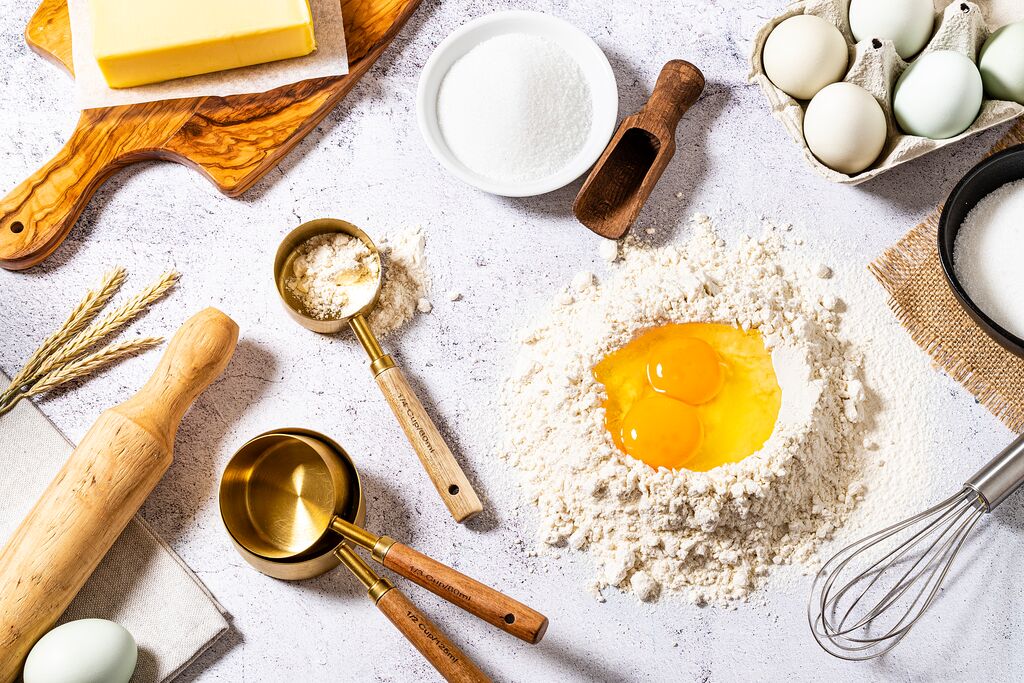
Baking looks simple from the outside. Butter, sugar, flour, eggs, oven, done. Anyone who has actually stood in a kitchen at 11pm staring at a sunken sponge knows better. Baking is chemistry wearing an apron, and small errors show up in big ways: dense cakes, cracked cookies, breads that never rise, icing that slides off instead of sitting pretty.
The good news? Almost every baking disaster traces back to one of a handful of common baking mistakes. Once you know what they are, you can spot them before they ruin your bake, not after. Whether you’re a home baker picking up baking tips for beginners or a bakery professional refining your process, this guide walks through the ten mistakes that trip up bakers most often, and exactly how to fix each one.
At Rich’s, we’ve spent decades helping bakers across India get consistent, professional results, from cake icings to dessert bases. So this list isn’t just theory. It’s built on the real problems bakers bring to us every day.
Why Do Even Experienced Bakers Make Common Baking Mistakes?
Here’s the thing nobody tells you when you start out: baking punishes inconsistency far more than cooking does. When you’re sautéing vegetables, you can taste and adjust as you go. A cake, once it’s in the oven, is a closed experiment. You don’t get to open the door and add more baking powder halfway through.
That’s precisely why baking errors happen so often, even to people who’ve been baking for years. A slightly warm kitchen, a new brand of flour, an oven that runs hotter than the dial suggests. Any one of these can quietly throw off a recipe that worked perfectly last week. The fix isn’t talent. It’s understanding why each step matters, so you notice when something’s off before it becomes a wasted batch.
What Are the Most Common Baking Mistakes to Avoid?
Let’s get into it. These are the ten cake baking mistakes and general baking errors we see most often, roughly in the order they tend to happen, from prep to plating.
1. Not Measuring Ingredients Accurately
This is the big one. Baking is a precise science, and eyeballing a cup of flour can leave you with anywhere between 120g and 160g depending on how you scooped it. That difference sounds small, but in a cake batter it’s enough to make the difference between light and gummy.
- Use a digital kitchen scale for dry ingredients wherever possible; weight is always more reliable than volume.
- If you’re using cups, spoon the flour into the cup and level it off with a knife. Never scoop directly from the bag, as this compacts the flour and adds extra weight.
- Level off teaspoons and tablespoons for raising agents and salt. A heaped spoon of baking powder can throw the whole structure of a cake off.
This single habit, weighing rather than guessing, is one of the simplest professional baking tips out there, and it’s the one that separates consistent bakers from lucky ones.
2. Skipping the Oven Preheat (or Trusting Your Oven Blindly)
Sliding a tray into a cold or half-heated oven means your batter starts spreading and settling before it has any structure, which is a common reason cakes turn out flat or dense in the centre.
But there’s a second, sneakier version of this mistake: assuming your oven’s dial is telling you the truth. Independent testing by America’s Test Kitchen found that home ovens can drift by dozens of degrees from their set temperature, even mid-bake, as the thermostat cycles on and off (America’s Test Kitchen, n.d.). King Arthur Baking Company has reported similar findings, noting that many household oven thermometers can be inaccurate by several degrees, which is more than enough to under or overbake a delicate custard or cake (King Arthur Baking Company, 2024).
What to do about it:
| Problem | Simple Fix |
| Oven runs hot or cold | Keep an inexpensive oven thermometer inside and adjust the dial accordingly |
| Uneven heat across racks | Rotate trays halfway through baking |
| Oven takes long to preheat | Always preheat for a full 15 to 20 minutes before baking, not just until the beep |
3. Using Ingredients at the Wrong Temperature
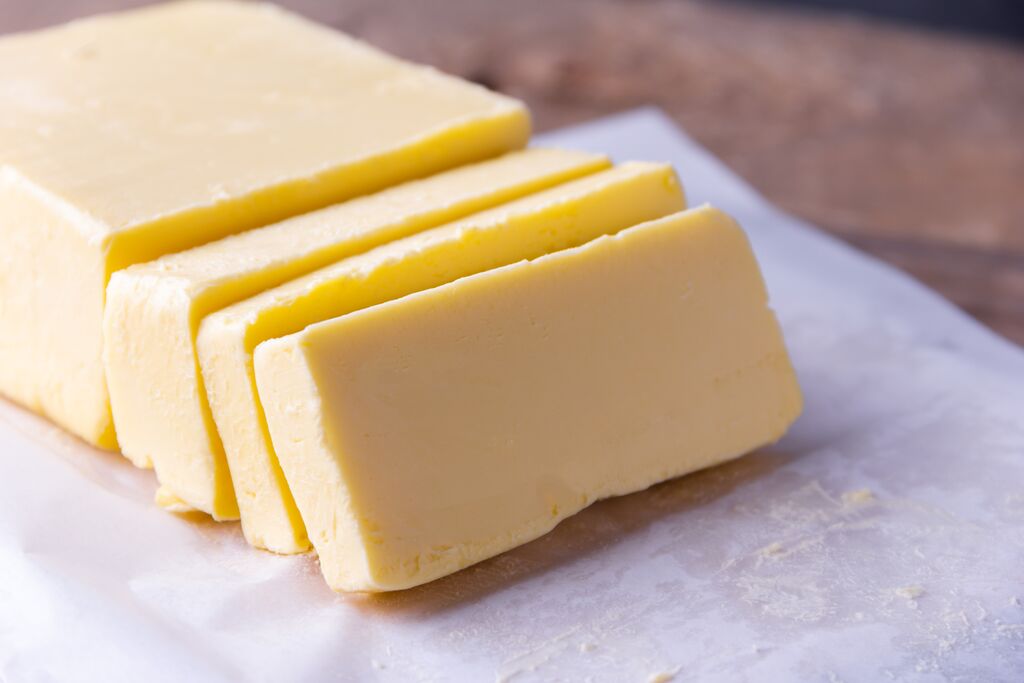
Recipes ask for “room temperature butter” or “cold water” for a reason, not out of habit. Room temperature butter traps air properly when creamed with sugar, giving your cake its rise. Cold butter, straight from the fridge, won’t cream evenly and often leaves lumps that never fully incorporate.
The same logic applies to eggs, milk and even your mixing bowl for meringues. Mismatched ingredient temperatures are one of those quite common baking mistakes that don’t look dramatic at the moment but absolutely change your final texture.
A quick trick: if you forget to take butter out early, cut it into small cubes and leave it out for 15 to 20 minutes rather than microwaving it, which melts the edges before the centre softens.
4. Overmixing or Undermixing the Batter
Once flour meets liquid, gluten starts developing. A little gluten gives bread its chew. Too much gluten in a cake or muffin batter gives you a tough, rubbery texture instead of a soft crumb. This is a classic case of a technique that’s right for one bake and wrong for another.
- For cakes and muffins: mix just until the flour disappears into the batter. Streaks of flour are fine to fold in gently; a smooth, glossy batter often means you’ve gone too far.
- For bread doughs: the opposite is true. You want to knead enough to build that gluten network, which is what gives bread its structure and chew.
- For pastry and shortcrust: minimal handling is key, since overworking the dough makes it tough instead of flaky.
5. Opening the Oven Door Too Often
We understand the temptation. You want to check on your cake. But every time that door opens, heat escapes and the oven temperature can drop by 25 to 50 degrees in seconds. For bakes that rely on a steady rise, like sponges, soufflés or choux pastry, this sudden temperature swing can cause collapse.
A good rule: don’t open the door until at least three quarters of the baking time has passed. Use the oven light and glass window to check instead. If you must open it, do it quickly and gently, without banging the tray.
6. Using Expired or Wrong Leavening Agents
Baking powder and baking soda don’t last forever, and using an inactive one is a quiet cause of flat, dense bakes that otherwise followed the recipe perfectly. Baking soda needs an acidic ingredient (like buttermilk, yoghurt or lemon juice) to activate, while baking powder already contains its own acid and just needs moisture and heat.
A simple freshness test:
- Baking soda: drop a pinch into vinegar. It should fizz immediately and vigorously.
- Baking powder: drop a pinch into hot water. Same expectation, instant fizzing.
If either one barely reacts, it’s time to replace it. This is one of those baking troubleshooting checks worth doing every few months, especially in humid Indian kitchens where moisture can seep into the tin and weaken the rising power over time.
7. Substituting Ingredients Without Understanding Their Role
Running out of an ingredient mid-recipe happens to everyone. The mistake isn’t substituting, it’s substituting blindly. Butter isn’t just fat, it also carries water content that affects texture. Sugar isn’t just sweetness, it holds moisture and affects browning. Swap one for another without adjusting anything else, and the whole balance shifts.
If you’re experimenting with substitutes, whether it’s a different fat, a sugar alternative, or a dairy-free swap, change one variable at a time and note what happens. This is exactly how professional bakeries develop reliable recipes: methodically, not by guesswork.
8. Ignoring Pan Preparation and Sizing
Using the wrong tin size is an underrated cause of baking disappointment. A batter meant for an 8-inch tin poured into a 6-inch one will overflow or bake unevenly, with a raw centre and an overdone edge. Skipping proper greasing and lining, meanwhile, is the classic reason a beautiful cake refuses to leave the tin in one piece.
- Always check the tin size specified in the recipe before you start.
- Grease and line with parchment paper, especially for cakes with a high sugar or moisture content, which tend to stick more.
- For fluted or bundt tins, use a proper release spray or a butter-and-flour combination that reaches every groove.
9. Rushing the Cooling and Storage Process
Cutting into a cake straight out of the oven feels satisfying, but it’s one of the more common baking mistakes to avoid if you care about texture. Cakes continue to set as they cool, and slicing too early releases steam and moisture that should be redistributing through the crumb, often leaving you with a gummy centre.
Storage matters just as much. Warm baked goods sealed into an airtight container trap condensation, which softens crusts and can encourage sogginess or even mold. It’s also worth remembering that dairy-based fillings, custards, and cream frostings fall into the same food safety rules as any perishable food. The FDA recommends not leaving items with dairy, eggs or cream out at room temperature for more than two hours, since bacteria multiply rapidly between 4°C and 60°C, the so-called “danger zone” (U.S. Food and Drug Administration, 2024). For cream-filled or custard-based bakes, refrigerate promptly once cooled.
10. Not Keeping a Record of What Works
This last one isn’t a technique mistake, it’s a habit mistake. Bakers who don’t note down what oven temperature, timing, or tweak worked well end up relearning the same lessons repeatedly. A simple notebook or notes app entry, recipe name, changes made, result, is one of the most underrated professional baking tips there is. Professional bakeries run entirely on documented, repeatable processes for exactly this reason.
How Can You Troubleshoot Common Cake Baking Mistakes?

Sometimes you need a quick diagnosis rather than a full explanation. Here’s a baking troubleshooting table for the symptoms bakers ask about most.
| What You See | Likely Cause | How to Fix It Next Time |
| Cake sinks in the middle | Underbaked, oven door opened too early, or too much raising agent | Test with a skewer before removing; measure raising agents precisely |
| Dense, heavy crumb | Overmixed batter, cold butter, or expired baking powder | Mix just until combined; check ingredient freshness |
| Cake domes and cracks on top | Oven too hot, or too much batter for the tin | Check oven temperature; use the correct tin size |
| Cookies spread too thin | Butter too warm, or dough not chilled | Chill dough for at least 20 to 30 minutes before baking |
| Bread doesn’t rise | Yeast is dead, water too hot or too cold, or under-proofed | Proof yeast first in warm water; give dough enough time in a warm spot |
| Icing slides off cake | Cake still warm, or icing too thin | Cool cake completely; adjust icing consistency before applying |
| Uneven browning | Oven hot spots or wrong rack position | Rotate tray midway; use the centre rack for most bakes |
What Professional Baking Tips Help Prevent These Errors?
Beyond fixing individual mistakes, a few habits separate consistent professional results from occasional lucky bakes:
- Read the full recipe before starting. Half of all baking errors happen because a step was missed simply because nobody read ahead.
- Prep everything first (mise en place). Weigh, measure and lay out every ingredient before you switch on the mixer. It’s a habit borrowed from professional kitchens for good reason: it removes the scramble that leads to mistakes.
- Invest in consistent, quality ingredients. Home bakers and commercial bakeries alike get more predictable results when their icings, fillings and bases are formulated for stability, especially in India’s varying humidity and heat. This is where trusted bakery ingredient partners, like Rich’s range of icings, toppings and dessert bases, take the guesswork out of consistency.
- Understand your equipment. Every oven, mixer and tin behaves slightly differently. Learning your own kitchen’s quirks matters more than following any recipe to the letter.
- Don’t fear failure, document it. Every professional baker has a drawer full of early failures. What matters is that each one taught them something specific enough to fix.
When Should You Rethink Your Baking Process Entirely?
If you’re making the same common baking mistakes again and again despite following recipes carefully, it might be time to step back rather than tweak one more variable. Ask yourself honestly:
- Is your equipment reliable, or has it never actually been tested for accuracy?
- Are you using fresh, good quality ingredients, or products that have been sitting in the pantry a little too long?
- Are you working from recipes suited to your climate and altitude, or ones written for a very different kitchen?
For bakery businesses scaling up, this is often the point where working with a dependable supplier for icings, glazes, fillings and dessert bases makes the biggest difference. Consistency at scale isn’t about trying harder, it’s about removing variables that shouldn’t be variables in the first place. That’s a big part of what Rich’s has built its reputation on with bakers across India.
Frequently Asked Questions
1. What is the most common mistake beginner bakers make?
Inaccurate measuring is usually the top culprit. Weighing ingredients on a digital scale removes most of the guesswork that trips up beginners.
2. Why does my cake sink in the middle after baking?
This usually points to underbaking, opening the oven door too soon, or using too much raising agent. Testing doneness with a skewer before removing the cake helps prevent this.
3. How can I tell if my baking powder or baking soda is still active?
Drop a small amount into hot water (for baking powder) or vinegar (for baking soda). If it doesn’t fizz vigorously, it’s time to replace it.
4. Why is my cake dense instead of light and fluffy?
Overmixing the batter, using cold butter, or expired leavening agents are the most common causes. Mix only until ingredients are combined and always check ingredient freshness.
5. Does my home oven really run at a different temperature than what I set it to?
Yes, this is more common than most bakers realise. An inexpensive oven thermometer can reveal the gap between your set temperature and actual temperature.
6. How long can cream or custard-filled bakes sit out safely?
Following general food safety guidance, dairy and egg-based fillings shouldn’t sit at room temperature for more than two hours before refrigeration.
7. What’s the difference between baking mistakes for beginners and professional bakers?
Beginners often struggle with measuring, timing and ingredient temperature. Professional bakers are more likely to face consistency and scaling issues, which is where reliable ingredients and documented processes matter most.
America’s Test Kitchen. The Best Oven Thermometer. King Arthur Baking Company. This Thermometer Unlocks Better, More Accurate Baking. 2024. U.S. Food and Drug Administration. What You Need to Know About Egg Safety. 2024. U.S. Department of Agriculture, Food Safety and Inspection Service. “Danger Zone” (40°F – 140°F). Bake with Shivesh. Baking Tips for Beginners. Sally’s Baking Addiction. Baking Tips Category. Institute of Food Technologists (IFT). Institute of Food Science & Technology (IFST). American Society of Baking (ASB). U.S. Food and Drug Administration (FDA). Food and Agriculture Organization of the United Nations (FAO).