Cake Fillings 101: Trending Flavours & Techniques for 2026
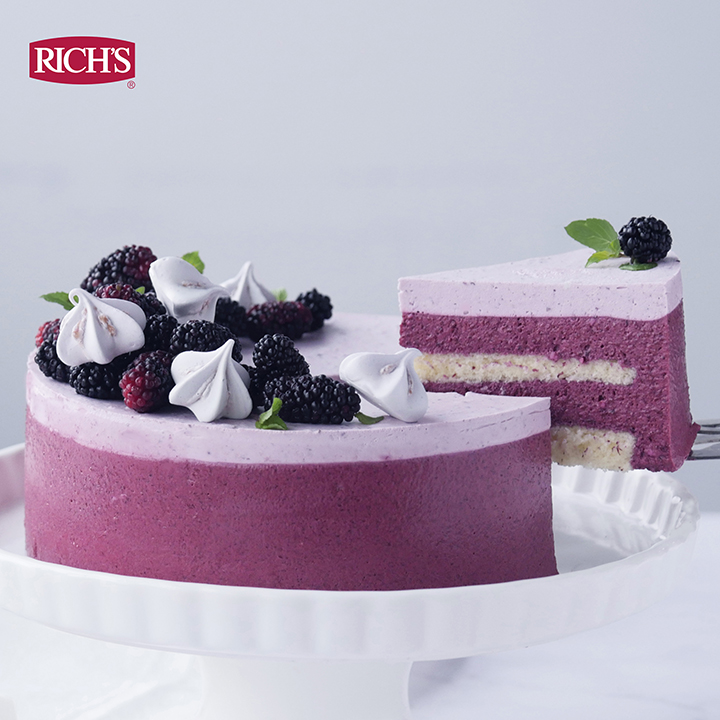
A cake without a good filling is really just bread wearing icing. That soft layer hiding between the sponges is where an everyday bake turns into something people remember. It is the little surprise when the knife goes in, the ribbon of colour on the plate, and quite often the reason someone quietly asks for a second slice.
Ask any baker and they’ll tell you the filling is where the flavour story begins. Before the sponge is baked or the frosting is piped, the filling often decides what the cake will taste like: a tangy fruit layer, a rich chocolate ganache or a light whipped cream. Even when the look of the cake comes first, the filling is usually the very next decision, because it shapes the flavour, the texture and how every slice holds together.
At Rich’s, we have spent decades supplying bakeries and home bakers across India with creams, fruit fillings and dessert bases, so we have watched plenty of filling trends arrive, peak and fade. This guide walks you through the main types of cake filling, the flavours worth trying in 2026, and the simple techniques that keep everything neat, stable and genuinely delicious.
What Exactly Is a Cake Filling and Why Does It Matter?
A cake filling is the layer you spread or pipe between two sponges. It is different from frosting, which coats the outside of the cake. Frosting is the coat and the filling is the heart. Many bakes use both, and often they are not even the same thing, a light cream inside and a firmer buttercream outside, for example.
So why does it matter so much? A good filling does three quiet jobs at once. It adds moisture, so the cake does not feel dry two hours after cutting. It adds a contrast in texture, that lovely soft-against-springy bite. And it adds a second flavour that plays off the sponge, think a sharp fruit filling against a mellow vanilla cake. Get those three right and even a plain sponge starts to taste considered.
What Are the Different Types of Cake Filling?
Most cake fillings fall into a handful of families. Once you know how each one behaves, mixing and matching becomes much easier. Here are the types of cake filling you will use again and again.
Buttercream and Frosting-Style Fillings
Buttercream is the reliable all-rounder. It is stable, it holds its shape, and it copes well with the Indian heat compared with plain fresh cream. Because it is firm, it also doubles up as the dam that stops softer fillings escaping. The trade-off is richness, so a thin, even layer usually beats a thick one.
Whipped Cream and Cream-Based Fillings
A cream filling for cake is light, airy and gentle on the palate, which is why it stays so popular for celebration sponges. The catch is stability. Plain whipped dairy cream softens quickly in warm kitchens, so many bakers reach for a stabilised whipping cream that holds its structure for longer. It pairs beautifully with fruit and is the classic partner for a fresh cream and fruit gateau.
Fruit Fillings, Jams and Compotes
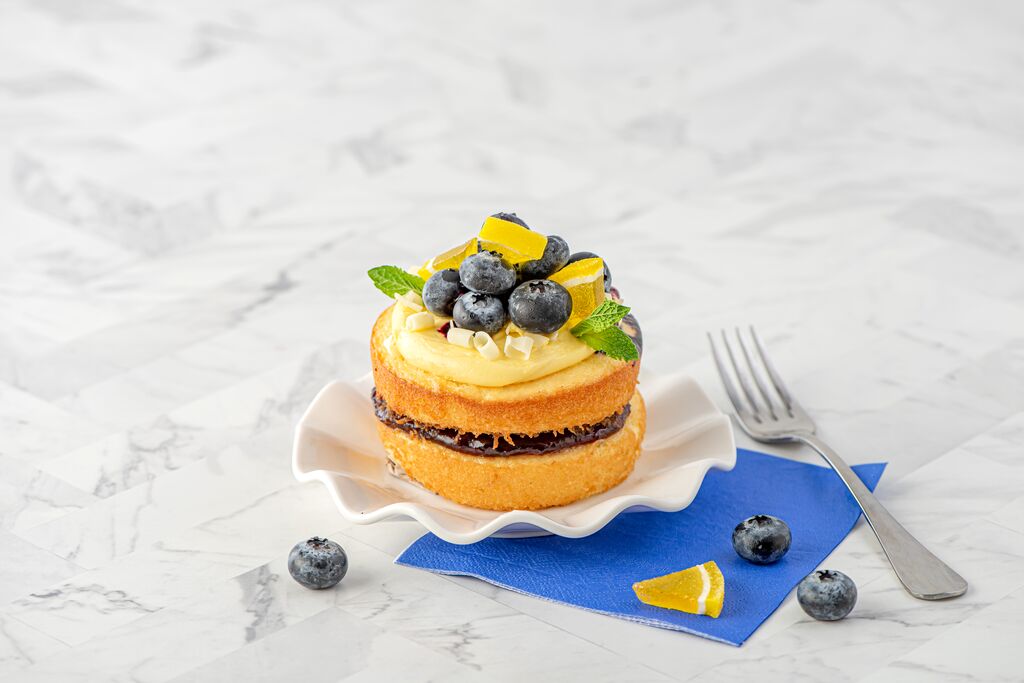
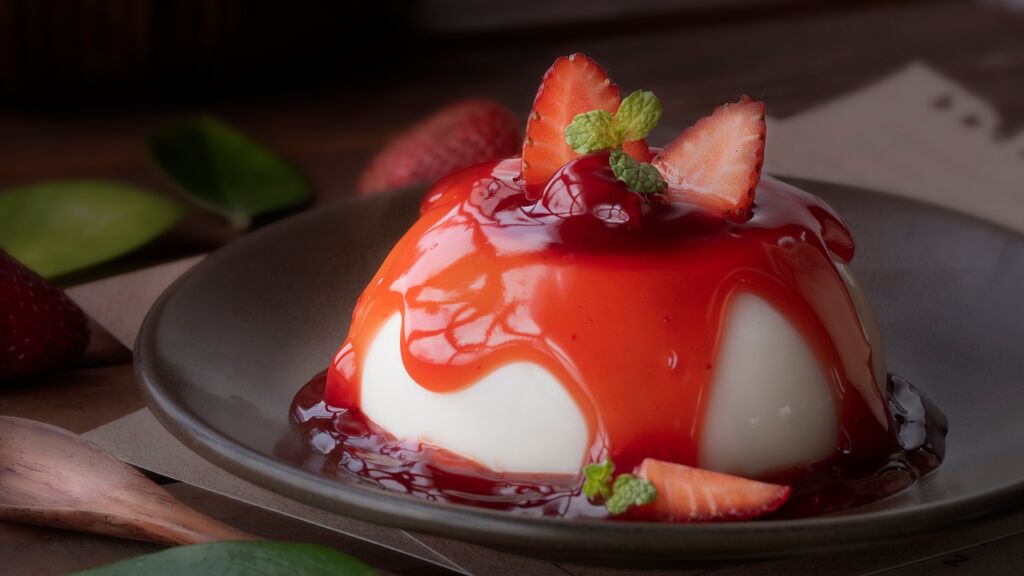
Fruit fillings bring the colour and the sharpness that cut through sweetness. A spoon of blueberry or strawberry filling against vanilla or chocolate sponge is a combination that almost never fails. A ready fruit filling for cake also saves time and gives a consistent set, which matters when you are baking to sell. Rich’s Fruit Fillings, in flavours like blueberry and strawberry, are made to hold their shape between layers without bleeding into the crumb, so your slices stay clean.
Ganache and Chocolate Fillings
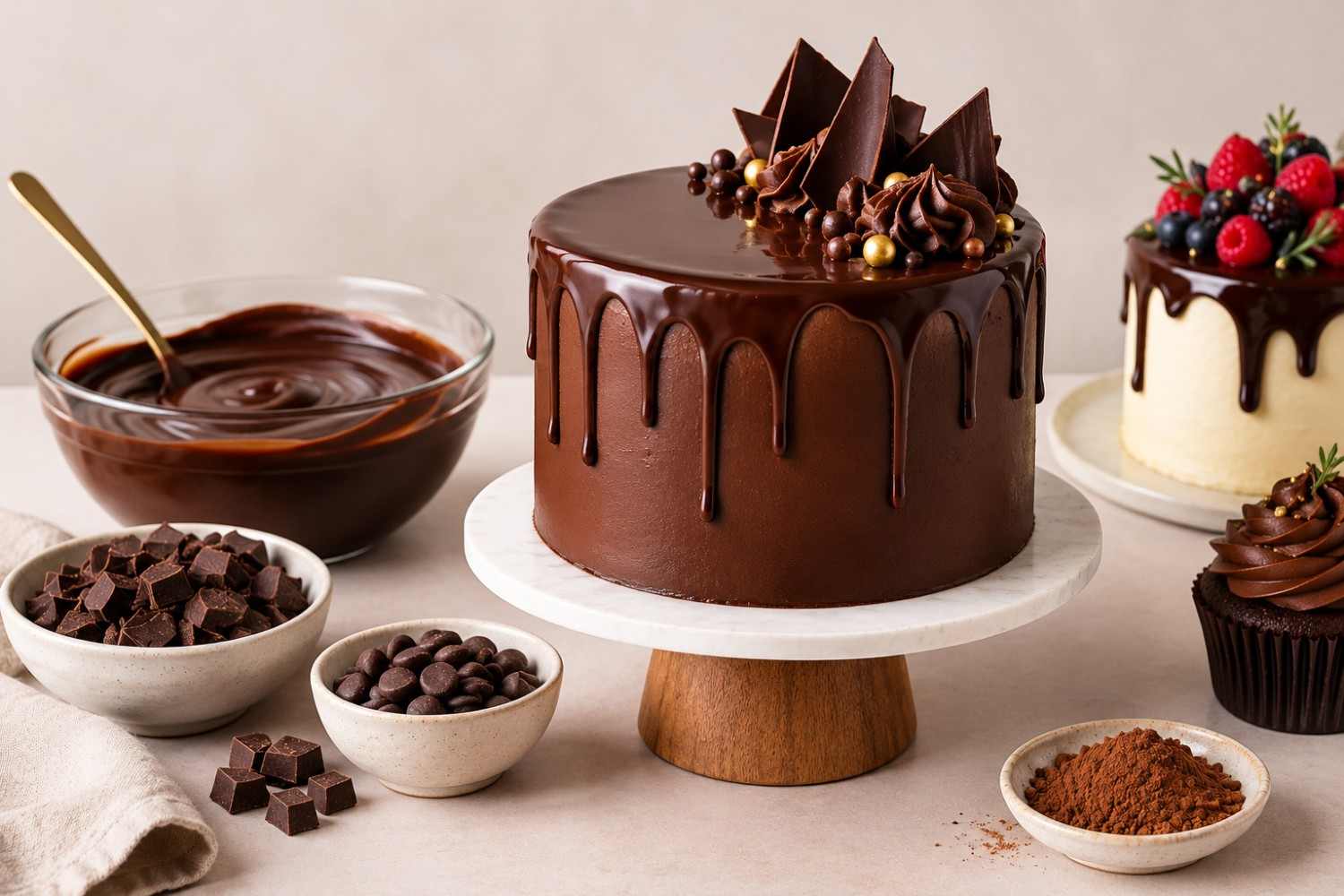
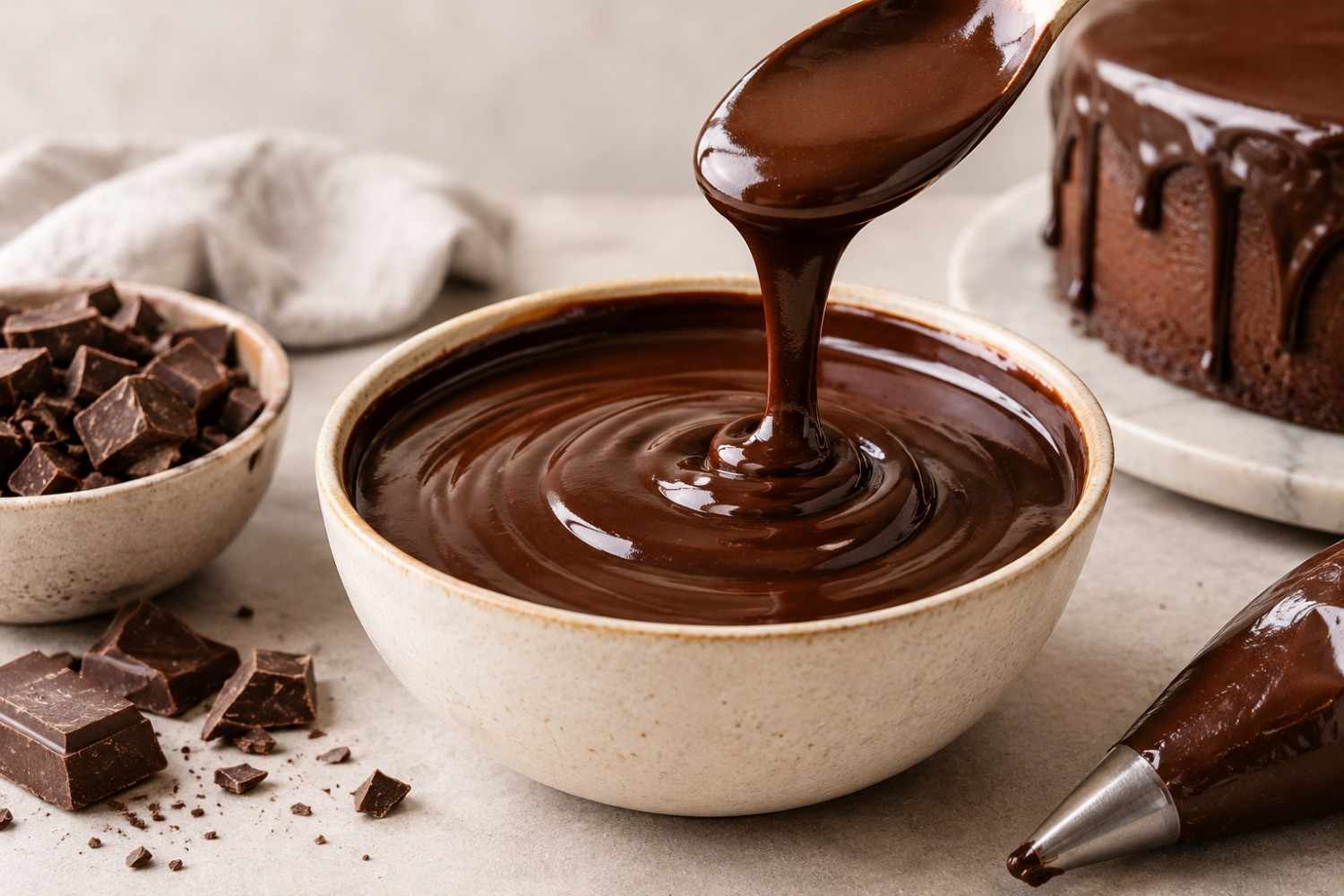
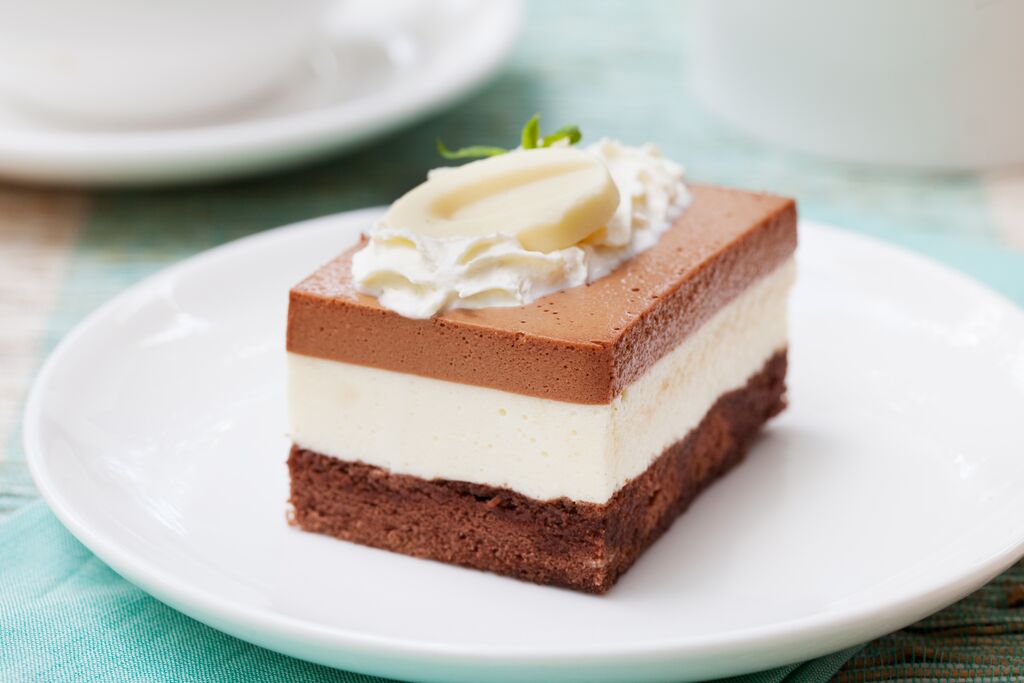
A chocolate cake filling built from ganache, which is simply chocolate melted into warm cream, is glossy, deep and endlessly adaptable. Whip it and it turns light and spreadable. Leave it to set and it becomes firm and truffle-like. It is the natural choice for chocolate and coffee cakes, and it holds up better in the heat than most cream fillings.
Custard, Curd and Mousse Fillings
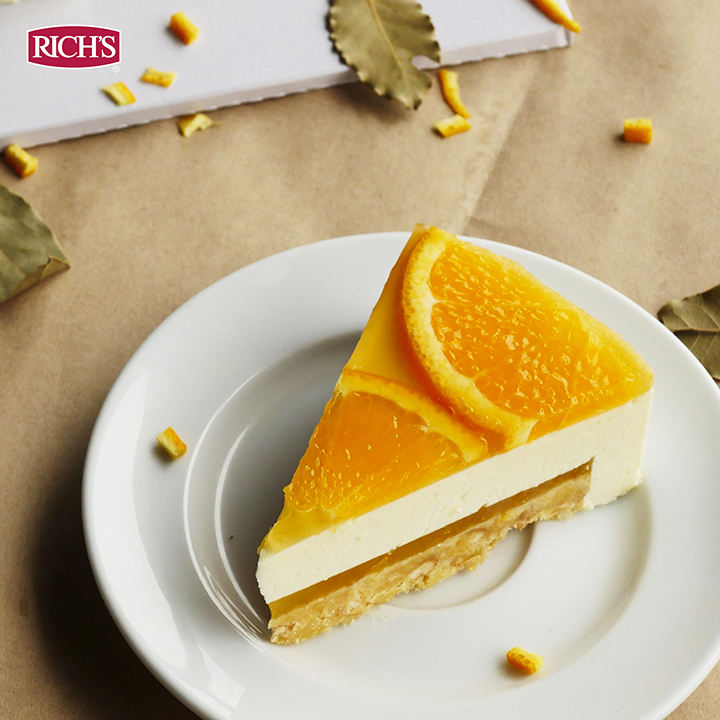
These are the patisserie-style fillings. A silky custard, a zingy lemon curd, or an airy mousse adds a soft, spoonable centre that feels a little more special. They are less stable and need refrigeration, so they suit cakes that will be served the same day rather than transported across town in August.
| Filling Type | Texture | Best Paired With | Holds Up in Heat? |
|---|---|---|---|
| Buttercream | Firm, rich | Most sponges, as a dam | Yes, fairly well |
| Whipped / stabilised cream | Light, airy | Fruit, vanilla, sponge cakes | Only if stabilised |
| Fruit filling / compote | Soft, glossy set | Vanilla, chocolate, cheesecake | Yes |
| Ganache | Smooth, dense | Chocolate, coffee, caramel | Yes |
| Custard / curd / mousse | Soft, spoonable | Fresh fruit, citrus cakes | No, keep chilled |
Which Cake Filling Flavours Are Trending in 2026?
Every year throws up a few flavours that suddenly appear on every dessert menu, and 2026 is no different. If you are hunting for cake filling ideas that feel current rather than tired, these are the ones bakers are asking us about most.
| Trending Filling | Why It Is Popular in 2026 | Try It In |
|---|---|---|
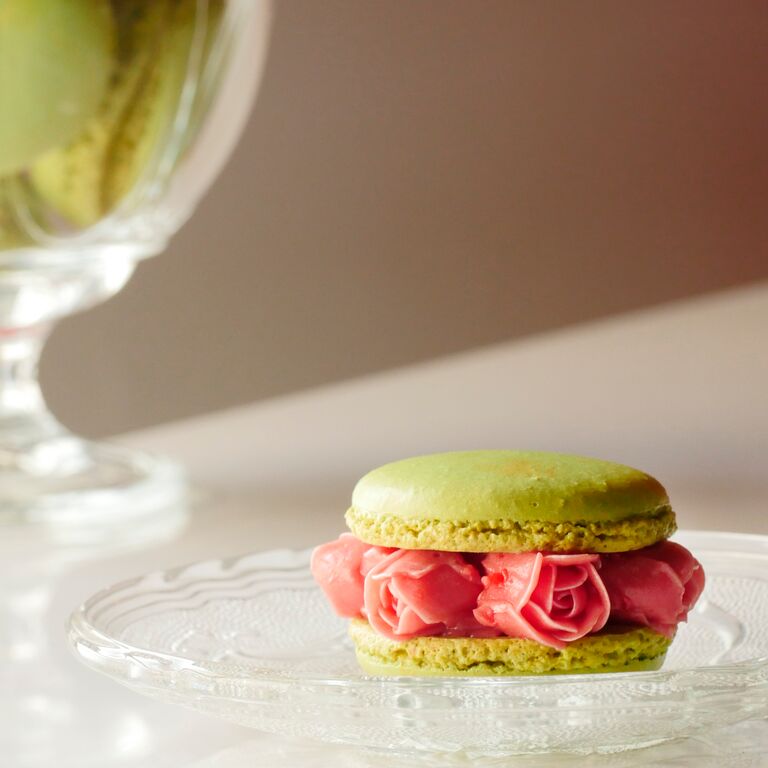
| Pistachio cream | Nutty, luxurious, very photogenic | Chocolate or vanilla layer cakes |
| Biscoff / caramelised | Warm, spiced, instantly familiar | Coffee and banana cakes |
| Berry and blueberry | Fresh, sharp, cuts sweetness | Vanilla and lemon sponges |
| Salted caramel | Sweet-salty balance, crowd pleaser | Chocolate and apple cakes |
| Matcha and yuzu | Earthy and citrus, on-trend East-Asian | Light sponge and roll cakes |
| Cream cheese | Tangy, smooth, not too sweet | Red velvet and carrot cakes |
Notice how the strongest cake filling flavours tend to balance the sweetness of the sponge rather than pile more sugar on top. That contrast is exactly what makes a filling taste modern.
How Do You Fill a Cake Properly?
Knowing how to fill a cake neatly is the difference between a clean bakery-style slice and a sad, bulging mess. The method is simple once you have done it a couple of times.
Start by levelling your sponges with a serrated knife so they stack flat. Brush each layer with a little sugar syrup or milk, which keeps the cake moist and stops the filling from soaking in unevenly. Next, pipe a ring, a dam, of firm buttercream around the outer edge of the bottom layer. This wall is what holds a softer filling in place.
Spoon your chosen filling inside the dam and spread it level, keeping it a touch thinner than you think you need. Overfilling is the single most common reason cakes bulge and slide. Set the next sponge on top, press gently and evenly, then chill the assembled cake for twenty to thirty minutes before you frost the outside. That short rest lets everything settle so the whole thing stays put.
How Do You Choose the Right Filling for the Occasion?
The best cake filling on paper is not always the best one for your situation. A delicate mousse is wonderful for a dinner served straight from the fridge, and a poor choice for a cake that has to survive a two-hour drive in an Indian summer.
In hot, humid weather, lean on stabilised creams, ganache and fruit fillings that set. For a child’s birthday, bright fruit fillings and cream tend to please more than a bitter dark ganache. For weddings and tiered cakes that sit out for photographs, firmer fillings that will not shift under weight are the safe call. Match the filling to the day, not just to your taste, and you will rarely go wrong.
What Mistakes Should You Avoid With Cake Fillings?
Most filling disasters come down to a few repeat offenders. Here is a quick troubleshooting table for the problems bakers run into most.
| What Goes Wrong | Likely Cause | How to Fix It Next Time |
|---|---|---|
| Filling oozes out the sides | Too much filling, or no buttercream dam | Use less filling; always pipe a firm dam first |
| Layers slide apart | Cake still warm, or filling too soft | Cool sponges fully; chill before frosting |
| Filling soaks into the sponge | Filling too runny, or syrup overused | Thicken or set the filling; brush syrup lightly |
| Flavours feel flat | Filling as sweet as the sponge | Add fruit, salt or acidity for contrast |
| Cream weeps in the heat | Unstabilised dairy cream in warm room | Switch to a stabilised whipping cream |
None of these are hard to avoid. A firm dam, a filling that is set enough to hold, and a properly cooled cake will solve the vast majority of them. Good cake fillings are surprisingly forgiving once you respect those basics.
Frequently Asked Questions
1. What is the best filling for a cake?
There is no single winner. It depends on the sponge and the occasion. Fruit fillings and stabilised cream suit celebration cakes in warm weather, while ganache is ideal for chocolate cakes that need to hold their shape.
2. What are the most popular cake fillings?
Buttercream, whipped cream, fruit fillings, ganache and custard or curd are the everyday favourites. In 2026, pistachio, Biscoff and berry fillings are especially in demand.
3. Can I use fresh cream as a cake filling in a hot climate?
You can, but plain fresh cream softens quickly in Indian heat. A stabilised whipping cream holds its structure far longer and travels better.
4. How do I stop my cake filling from oozing out?
Pipe a dam of firm buttercream around the edge of each layer, use a slightly thinner layer of filling than feels natural, and chill the cake before frosting.
5. What is the difference between cake filling and frosting?
Filling goes between the cake layers to add moisture and flavour. Frosting coats the outside of the cake for finish and decoration. A cake can use both.
6. Which fruit filling goes best with chocolate cake?
Cherry, raspberry and blueberry are classic partners for chocolate, as their sharpness balances the richness of the sponge.
7. How long does a filled cake last?
Most filled cakes keep for two to three days refrigerated. Cakes with custard, curd or fresh cream fillings should be eaten sooner and kept chilled until serving.
King Arthur Baking Company. Guide to Filling and Layering Cakes.
BBC Good Food. Cake Filling Recipes and Ideas.
U.S. Food and Drug Administration (FDA). Refrigerator and Freezer Storage.
U.S. Department of Agriculture, FSIS. Danger Zone (40F – 140F).