Leftover Diwali Sweets: How to Turn Mithai Into New Desserts
Every year it’s the same story. Diwali comes and goes, the diyas are packed away, and the kitchen counter still has three boxes of mithai on it. Half a box of kaju katli from the neighbours, a tin of soan papdi from the office, a few gulab jamuns sitting in their syrup, and ladoos that nobody quite finished.
Diwali sweets are made to be shared, and with so many boxes changing hands, most homes end up with more than anyone can eat. Throwing them away feels wrong, and food waste is a bigger problem than most of us realise. The UN Environment Programme’s Food Waste Index Report 2024 estimates that households in India waste around 55 kg of food per person every year, so finding a use for leftover Diwali sweets is a small, sweet way to help. Eating another plain piece of barfi after a week of festive food feels like a chore.
The good news is that leftover Diwali sweets make brilliant ingredients. With a little cream, some fruit and a few minutes, you can turn them into milkshakes, trifles, cheesecakes and sundaes that feel like a brand-new dessert. Here’s how to do it, sweet by sweet.
How Long Do Diwali Sweets Last?
It depends on what they’re made of. Milk-based sweets like rasgulla, rasmalai, kalakand and khoa barfi spoil the fastest and should be kept in the fridge and eaten within a short time, while drier sweets like besan ladoo, kaju katli and soan papdi keep longer in an airtight box.
There’s a reason milk sweets don’t last. A review published in the Journal of Food Science and Technology notes that khoa-based Diwali sweets such as barfi, peda, kalakand and milk cake have a short shelf life and spoil mainly because of yeast and mould growth.
The simplest guide is the date on the box. Since October 2020, the Food Safety and Standards Authority of India (FSSAI) has required sweet shops to display a “best before” date on trays of loose sweets, and packaged sweets carry it on the label. Shops set this date based on the type of sweet and local conditions, so it’s worth noting it down before you throw the box away.
Before you reuse any leftover Diwali sweets, give them a quick check. If a sweet smells sour, feels slimy, has any mould, or the syrup looks cloudy or fizzy, don’t use it. When in doubt, throw it out.
Tips Before You Start
Most Diwali sweets are already very sweet, so the trick is balance. Pair them with something plain, sour or creamy to soften the sugar, like unsweetened whipped cream, yoghurt, fresh fruit, coffee or dark chocolate. You’ll rarely need to add extra sugar to any of these leftover sweets recipes. Classic Indian sweet recipes rely on milk, sugar, ghee and nuts, which is exactly why they pair so naturally with cream, fruit and chocolate.
Texture matters too. Soft sweets like gulab jamun and rasgulla work best in layered and chilled desserts, while dry, crumbly sweets like ladoo and soan papdi are perfect as toppings, crusts and crumbles.
Leftover Sweets Recipes, Sweet by Sweet
Gulab Jamun: Trifle Jars and Cheesecake
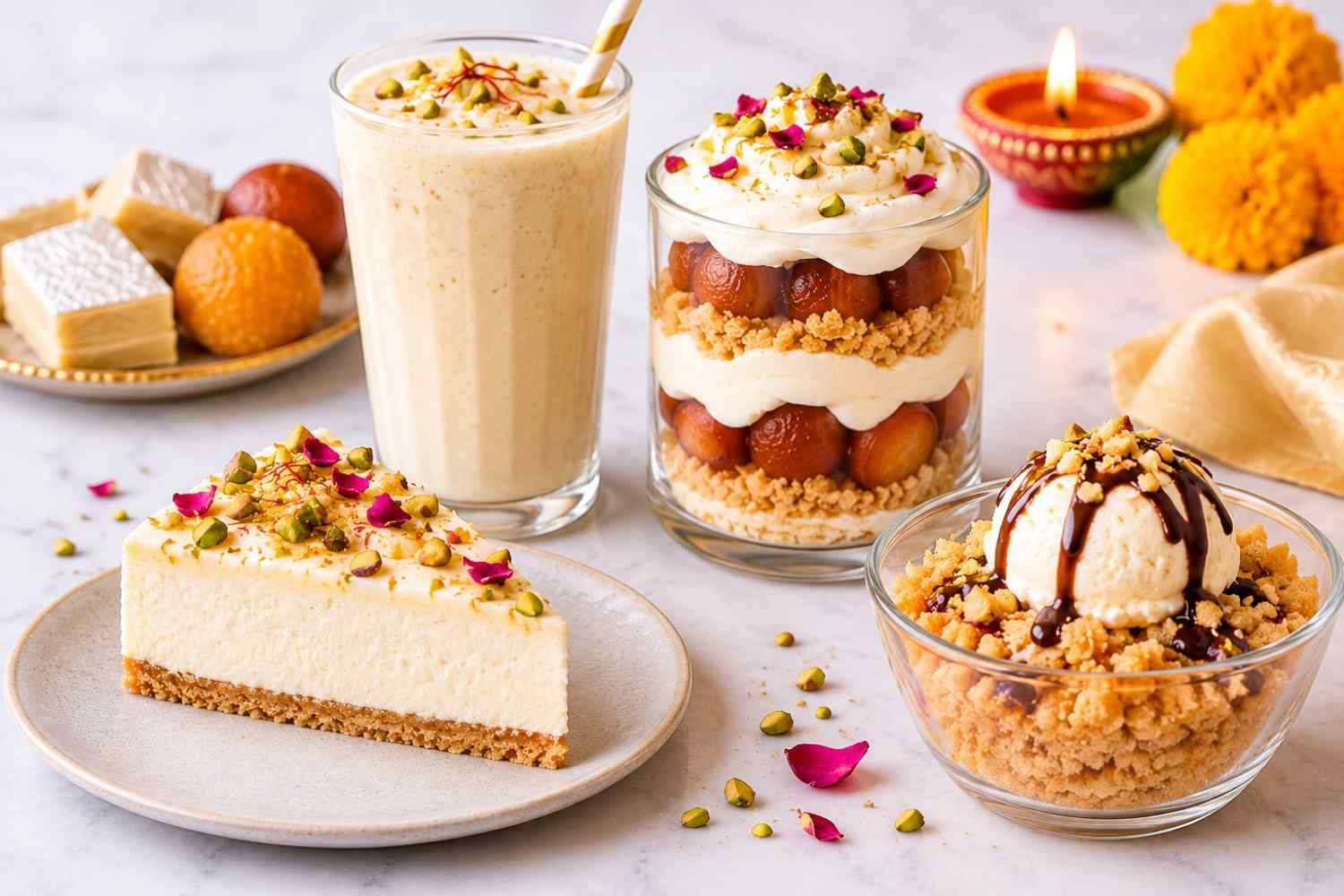
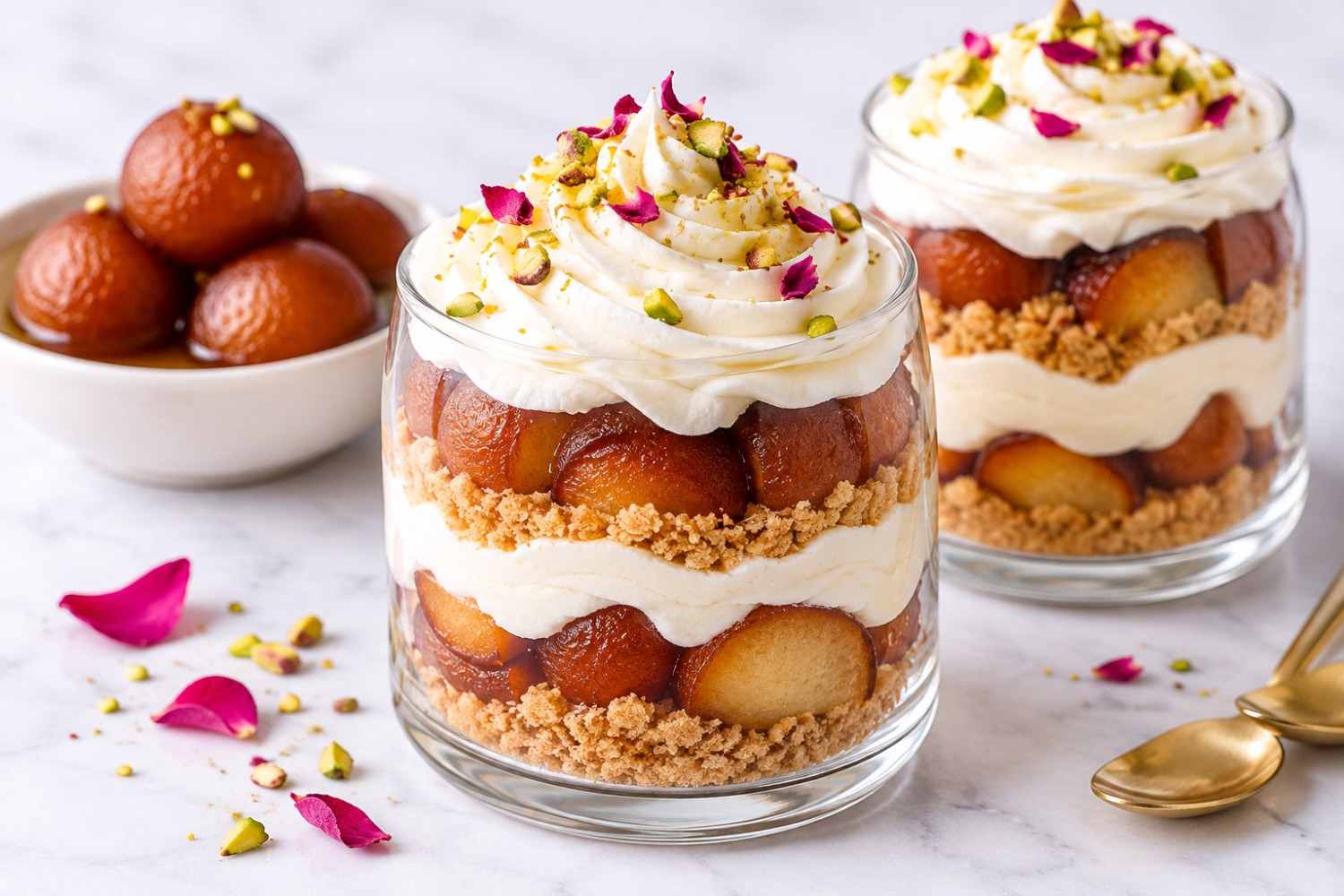
Gulab jamuns are probably the easiest of all Diwali sweets to reuse. Halve them, squeeze out a little of the syrup, and layer them in small glasses with whipped cream and crushed biscuits for a quick gulab jamun trifle. A stable whipped topping such as Rich’s Whip Topping Gold holds its shape well between layers.
For something richer, press a biscuit base into a tin, top it with a no-bake cream cheese filling, and arrange gulab jamun halves on top. Our post on fusion desserts has more ideas like gulab jamun cheesecake.
Kaju Katli: Milkshake and Mousse
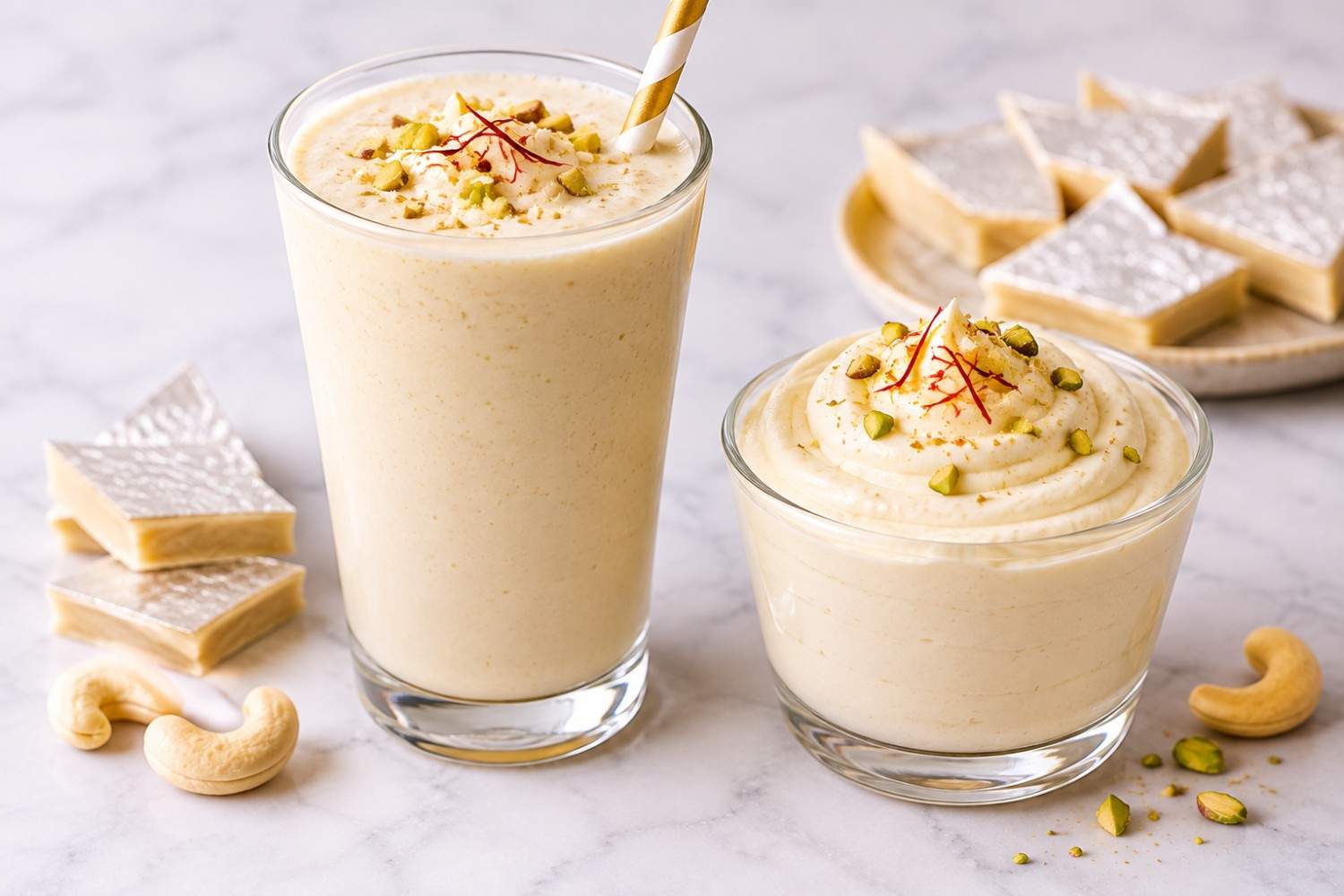
Kaju katli is really just cashews and sugar, which makes it perfect for blending. Add four or five pieces to a blender with a glass of chilled milk and a pinch of cardamom, and you have a thick, nutty milkshake in under a minute.
You can also crush kaju katli into a fine powder and fold it into whipped cream for a quick cashew mousse. Spoon it into small cups, chill, and top with a few saffron strands.
Besan and Boondi Ladoo: Sundaes and Crumble
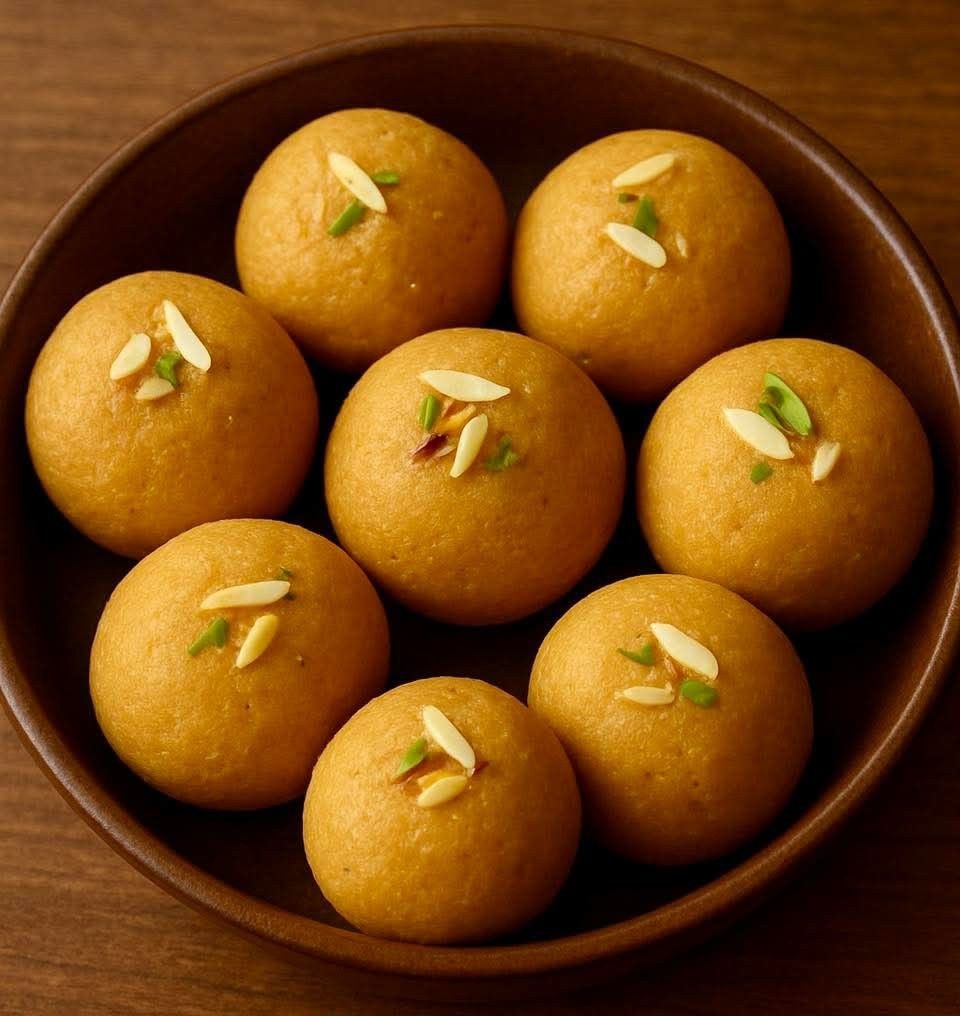
Crumble ladoos over a scoop of vanilla ice cream, add a drizzle of chocolate sauce and some chopped nuts, and you have a ladoo sundae that kids and adults both love. Crumbled ladoo also makes a lovely crunchy layer in dessert jars, or a quick base for a no-bake tart when mixed with a little melted butter and pressed into a tin.
Soan Papdi: Kheer Topping and Milkshake
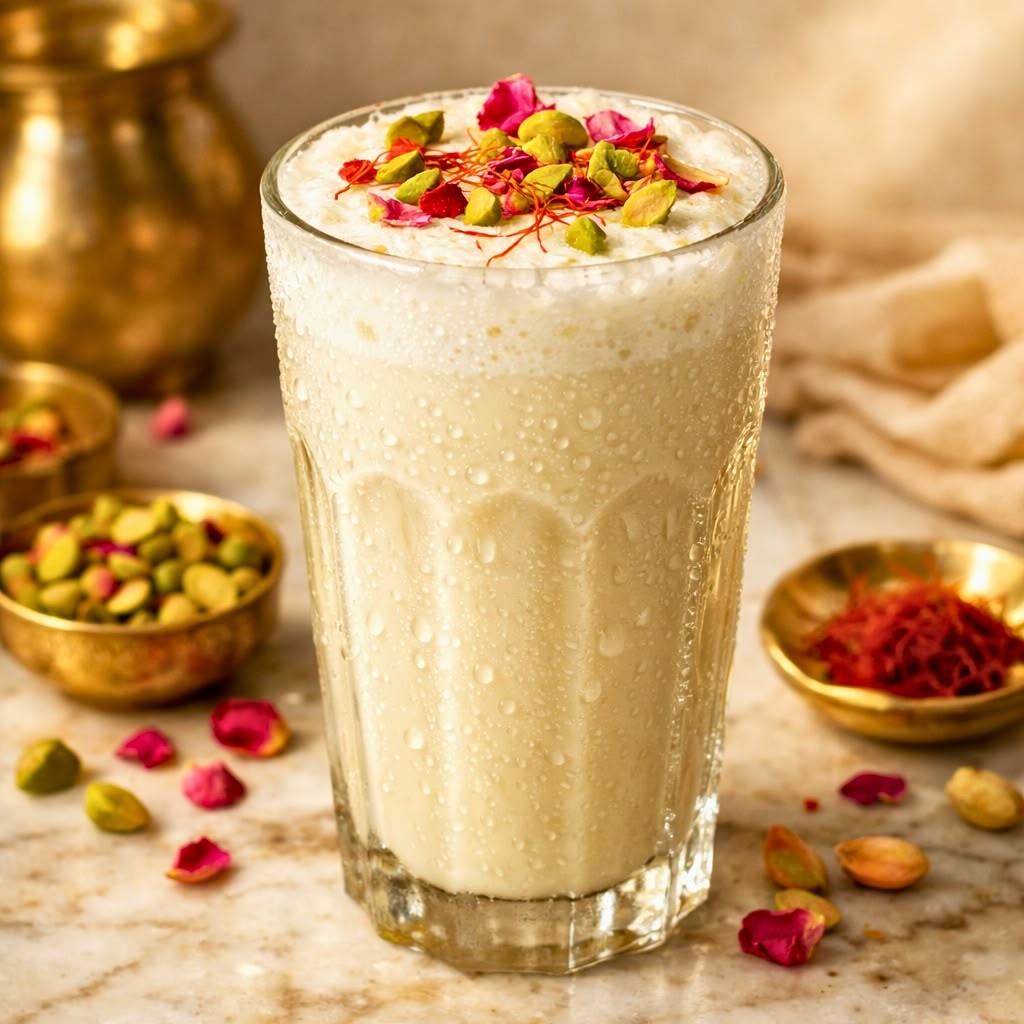
Soan papdi, one of the most gifted Diwali sweets, has a flaky texture that melts beautifully into anything creamy. Sprinkle it over warm kheer or custard just before serving, or blend it with cold milk for a light, cardamom-scented shake. It’s also a great topping for plain yoghurt with sliced banana.
Rasgulla and Rasmalai: Tres Leches Twist
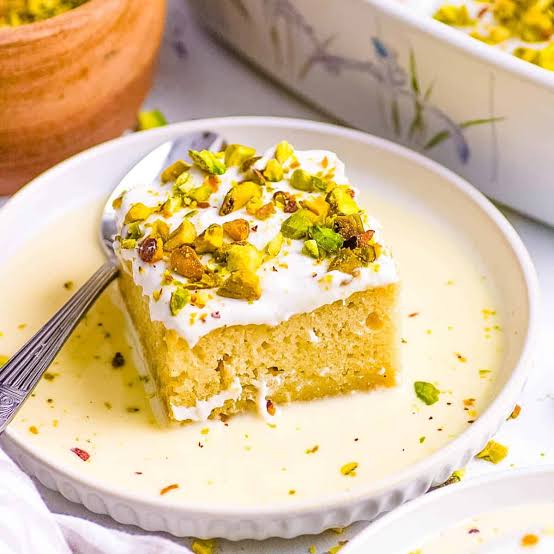
Rasgullas and rasmalai are already soaked in milk or syrup, which makes them a natural fit for a tres leches-style dessert. Cut a plain sponge into squares, soak it in a creamy milk mixture (a ready-to-use dairy base such as Rich’s Tres Riches makes this easy), then top with sliced rasmalai or squeezed rasgulla and chopped pistachios. If you’re new to this style of cake, our guide on what tres leches cake is explains how it works. Because these sweets are milk-based, use them within their best-before date and keep the dessert chilled.
Jalebi: Rabri Parfait and Bread Pudding
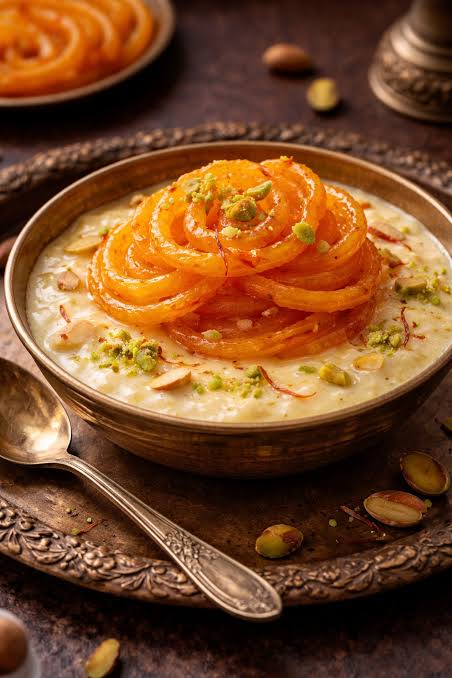
Leftover jalebis lose their crunch, but they still have plenty of flavour. Warm them for a few seconds and layer them in glasses with chilled rabri or thick custard for an easy parfait. Or tear them into a baking dish with bread cubes, pour over a mix of milk and egg (or custard for an eggless version), and bake into a sticky, caramelised jalebi bread pudding. Both are easy leftover sweets recipes that make the most of a sweet that’s lost its crunch.
Barfi and Peda: Stuffed Cookies and Cake Filling
Like many Indian sweet recipes, barfi and peda are firm enough to hold their shape, so they can be chopped into small cubes and folded into cake or muffin batter, or used as a surprise filling in the middle of a cupcake. Crumbled chocolate barfi also makes a quick filling between cake layers with a little whipped cream.
Mix-and-Match: A Mithai Trifle for Everything Left Over
If your leftover Diwali sweets are a little of everything, make one big trifle. Start with sponge cake or biscuits at the bottom, add a layer of whipped cream, then a layer of chopped mixed sweets, then fruit, and repeat. Finish with nuts and a few silver leaves. It’s one of the most forgiving leftover sweets recipes, because every spoonful tastes a little different. For more layering ideas, see our guide to viral jar desserts.
For Bakeries and Cafes After the Festive Season
Bakeries and sweet shops often have leftover Diwali sweets once the festival is over. Turning unsold, still-fresh mithai into limited-edition desserts like gulab jamun cheesecake, kaju katli shakes or mithai trifle jars is a smart way to reduce waste and keep the festive mood going on the menu. Just make sure every sweet you reuse is well within its best-before date, and label the new product clearly.
Frequently Asked Questions
1. Can I freeze leftover Diwali sweets?
Some dry sweets like besan ladoo and kaju katli can be frozen in an airtight box for a short while. Milk-based sweets like rasgulla and rasmalai don’t freeze well, because their texture changes once they thaw. The USDA advises freezing food at its best quality rather than near the end of its life, wrapping it well to avoid freezer burn, and treating it like any fresh perishable food once thawed, so eat it soon after.
2. How can I tell if mithai has gone bad?
Trust your senses. A sour smell, a slimy surface, mould, or syrup that looks cloudy or bubbly are all signs it’s time to throw it away.
3. Which Diwali sweets are best for milkshakes?
Kaju katli, soan papdi and besan ladoo blend really well with cold milk. Start with a few pieces and taste before adding more, since they’re already sweet.
4. Do I need to add sugar to these desserts?
Usually not. Diwali sweets bring plenty of sweetness on their own, so pair them with plain cream, yoghurt or fruit instead.
5. Can I use these ideas with Indian sweet recipes made at home?
Of course. Homemade ladoos, barfis and gulab jamuns work just as well as shop-bought ones. Just remember that homemade sweets often have no preservatives, so use them up a little sooner.
Conclusion
Leftover Diwali sweets don’t have to sit forgotten in the fridge. With a blender, a few glasses and some whipped cream, that box of mithai can become a milkshake, a trifle or a sundae that feels like a new treat. Indian sweet recipes have always been about sharing, and giving them a second life is a lovely way to stretch the festive season a little longer.
References & Citations
- S.S. Rana & Co. Best Before Date on Sweets Mandatory From October 1: FSSAI.
- Journal of Food Science and Technology (Springer). Khoa and Khoa Based Traditional Dairy Products: Preparation, Spoilage and Shelf Life Extension.
- UN Environment Programme. Food Waste Index Report 2024.
- The New Indian Express. India’s Per Capita Food Waste 55 kg/yr, Says UN.
- USDA Food Safety and Inspection Service. Freezing and Food Safety.