What Is Tres Leches Cake? History, Origin, and Why It’s So Popular
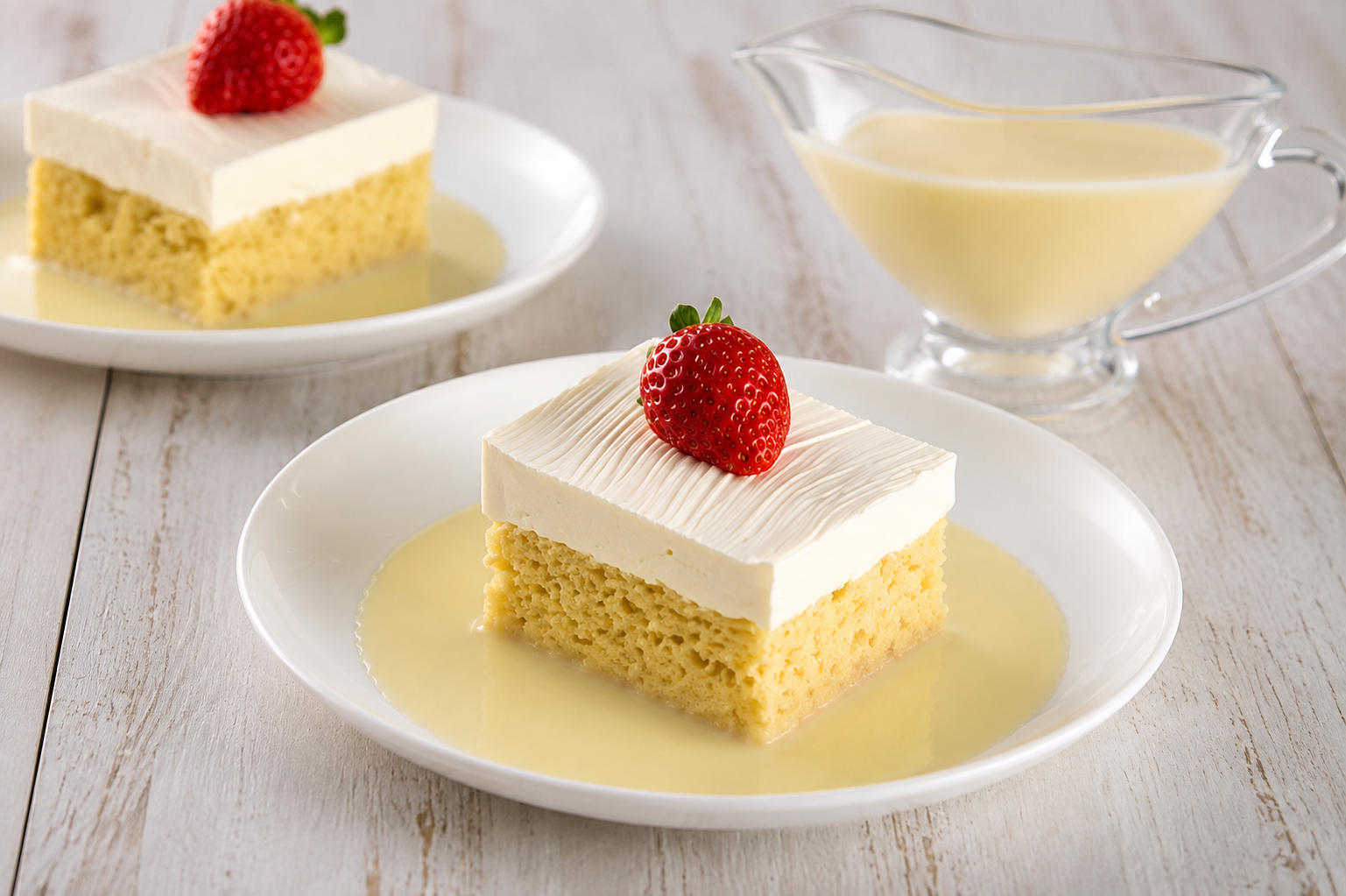
Picture a soft sponge that drinks up sweet milk and melts the moment it touches your tongue. If you have ever loved a good milk cake, you already understand the idea behind this cake. That, in one bite, is tres leches.
For bakers and bakery owners, this is one of those desserts that looks very appealing and sells fast. . It travels well on a menu, it photographs like a dream, and it keeps customers coming back. So let us sit down and talk through it properly. What is tres leches, where did it come from, and why has a simple milk-soaked cake become such a global favourite?
What Is Tres Leches Cake, Exactly?
Tres leches is a light sponge cake soaked in a mix of three milks. The name comes from Spanish and simply means “three milks”. Once the sponge is baked, you pour the milk mixture all over it and let it rest. The cake soaks up the liquid slowly, becomes rich and moist right through, yet somehow never falls apart into mush.
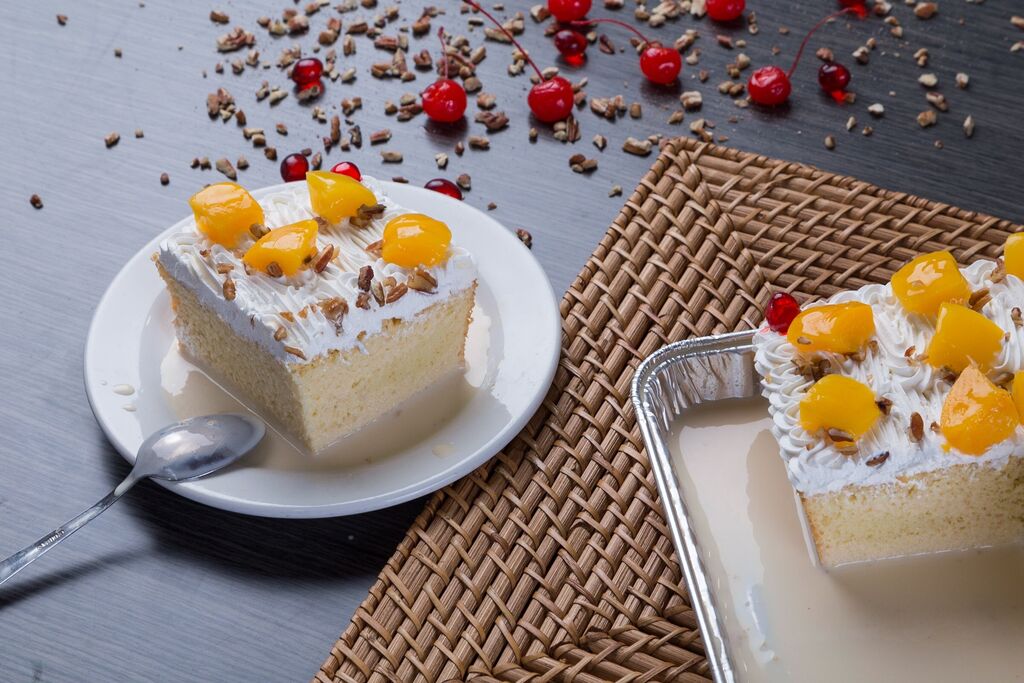
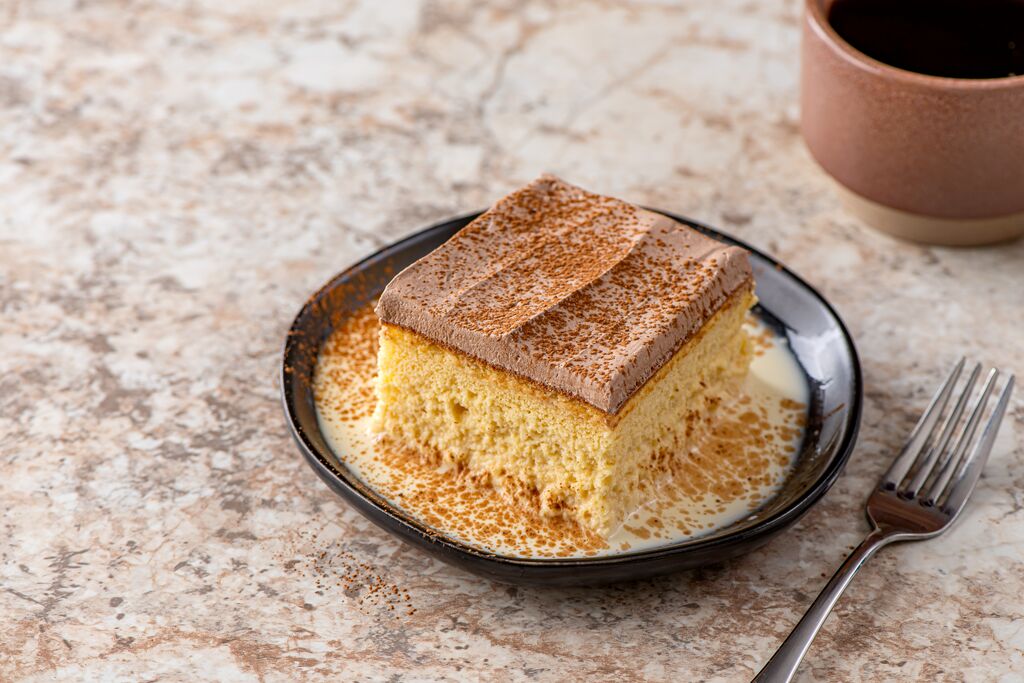
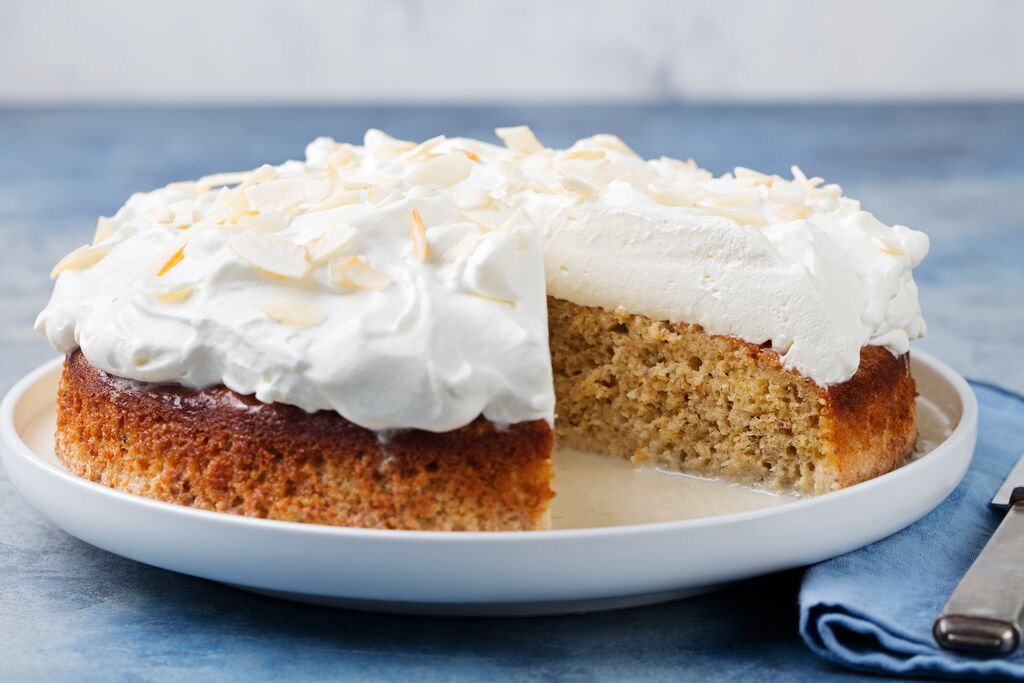
That last part is the magic. A well-made tres leches stays wet but firm. When you dig a spoon into it, the cake holds its form while releasing the sweet milk it has stored so well. Most versions are finished with a light layer of whipped cream on top, and sometimes a dusting of cinnamon or a few pieces of fruit.
If you are wondering how a cake can hold that much liquid without collapsing, the answer sits in the sponge itself. A tres leches sponge is built to be airy and open. Think of it like a fresh cotton towel. Dip a thin, loosely woven towel in water, and it soaks up far more than a dense one, without turning to pulp. The batter usually skips heavy amounts of butter and leans on whipped eggs for structure, which leaves lots of tiny air pockets ready to hold milk.
What are the Three Milks in Tres Leches?
The heart of this dessert is its soaking liquid. Three different milks come together, and each one has a job to do.
- Evaporated milk adds a rich, concentrated dairy flavour while its thinner consistency allows the milk soak to penetrate deep into the sponge.
- Sweetened condensed milk provides thick, creamy sweetness that clings to the crumb, giving the cake its signature rich and indulgent taste.
- Whole milk or fresh cream balances the sweetness, lightens the milk mixture, and helps distribute the flavours evenly throughout the cake.
Some bakers swap the whole milk for fresh cream when they want a heavier, more luxurious result. Others add a splash of vanilla or a pinch of salt to round it off. The ratio is where every baker builds their own signature, but the trio of evaporated, condensed, and fresh dairy stays constant.
A quick tip for professional kitchens: warm the milk mixture very slightly before pouring. A gentle warmth helps the liquid move into the sponge faster and more evenly, which matters a lot when you are soaking many cakes in a day.
How Is Tres Leches Cake Traditionally Made?
Now that you know what goes into the three-milk mixture, let’s look at how this classic dessert is traditionally prepared.
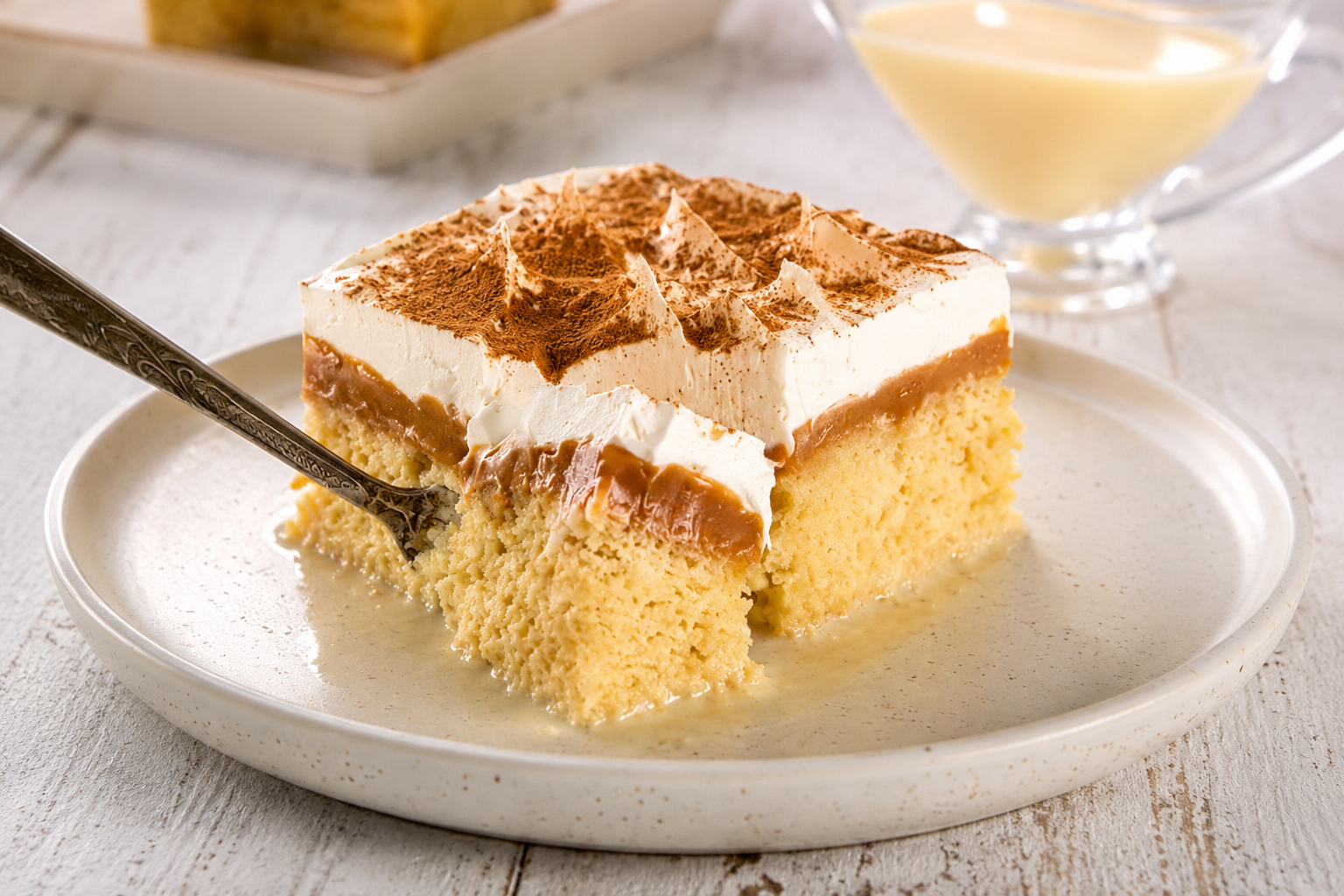
Traditionally, Tres Leches Cake starts with a light, airy sponge cake that is made without much butter so it can absorb the milk mixture effectively. Once the sponge has baked and cooled completely, small holes are poked across the surface.
A mixture of evaporated milk, sweetened condensed milk, and whole milk or fresh cream is then poured slowly over the cake, allowing the sponge to soak up all three milks evenly. The cake is refrigerated for several hours, or preferably overnight, so the milk fully penetrates the sponge and develops its signature moist texture.
Before serving, the cake is typically topped with freshly whipped cream and finished with a light dusting of cinnamon or fresh fruits such as strawberries, making it both rich and refreshing.
What Is the History of Tres Leches Cake?
Tres Leches Cake is widely believed to have originated in Latin America, although its exact birthplace remains debated. Countries such as Nicaragua and Mexico are most commonly associated with its origins. Over time, the dessert gained popularity across Latin America before becoming a globally loved classic, thanks to its unique three-milk preparation and rich, moist texture.
Here is where things get interesting, because the tres leches cake history is tied less to a single chef and more to a can of milk. To understand how this dessert was born, we have to look at how milk was preserved before the fridge became common.
In the mid-1850s, an American named Gail Borden patented a method for making sweetened condensed milk. By the 1870s, evaporated milk followed. These tinned milks were a big deal. They did not spoil quickly, they survived long journeys, and they were first produced in large amounts for soldiers and long voyages. Companies like Nestlé and Borden made them by the millions.
As trade and industry spread through the late nineteenth and early twentieth centuries, these cans reached Mexico, Nicaragua, and much of Latin America. In many homes, tinned milk was more reliable than fresh milk. So bakers started building desserts around what they had in the pantry. A cake soaked in rich canned milk was sweet, filling, and made from ingredients that kept well in a warm climate. That is the practical root of tres leches history.
How Did a Milk Can Help Spread the Recipe?
There is a lovely detail here that most people do not know. Dairy companies used to print recipes right on the back of their milk cans. It was clever marketing. If you show a housewife how to turn your product into a showstopping dessert, she buys more cans.
Many food historians believe the tres leches recipe spread exactly this way, printed on the labels of condensed and evaporated milk tins across Latin America. Nestlé in particular is often credited with putting the recipe on its cans in Mexico around the 1940s, a period when canned dairy became far easier to find. Whether or not one single company invented it, the humble can label carried this cake into thousands of kitchens.
What Is the Origin of Tres Leches Cake?
Ask three people about the tres leches origin and you may get three answers. The truth is that the exact birthplace is disputed, and both Nicaragua and Mexico stake a strong claim.
Nicaragua is where many historians lean. The country’s economy grew heavily around cattle and dairy in the 1930s, and older Nicaraguan families remember tres leches as a well-loved dessert by the 1940s and 1950s. For them, it is a national sweet, served at birthdays, weddings, and Sunday lunches.
Mexico’s claim points to that Nestlé marketing story, with the recipe reaching mass popularity through printed can labels. From there the cake became beloved across Cuba, Puerto Rico, Guatemala, and beyond. So the tres leches cake origin is really a shared one, shaped by trade, industry, and a lot of home cooks improving the same idea at the same time.
Did Soaked Cakes Exist Before Tres Leches?
Yes, and this is worth knowing. The idea of soaking cake in a sweet liquid is old and shows up in many cultures. Long before this dessert had a name, Spain and Portugal had milk-soaked and syrup-soaked sweets. England had its trifle and bread pudding. Italy gave us tiramisu, another soaked sponge. In Mexico itself, older dishes like the boozy soaked cake known as sopa borracha set the stage.
So tres leches did not appear from nowhere. It grew out of a long, worldwide love for the soft, spoonable, soaked-cake family. And honestly, that is why it feels so familiar to Indian palates. We already adore soaked sweets, from ras malai swimming in thickened milk to gulab jamun resting in syrup and rabri layered thick and sweet. Tres leches sits comfortably in the same happy corner.
How Did Tres Leches Travel Across the World?
From Latin America, this cake kept moving. Migration carried it into the United States, where it became a staple in Mexican restaurants and then mainstream bakeries. Today you find it in cafes far from its home.
One of the most surprising stops on its journey is Turkey, where a local version called trileçe became a bakery favourite, often topped with caramel. Versions of the soaked milk cake now appear across the Balkans too. In the last few years, social media has given it a fresh push, with soft, milk-drenched cakes going viral and inspiring new flavours like coffee, chocolate, coconut, and mango.
For Indian bakeries, that global momentum is a real opportunity. A dessert that already feels culturally familiar, paired with worldwide buzz, is an easy addition to a menu.
Why Is Tres Leches Cake So Popular?
So what makes this cake such a steady crowd-pleaser? A few honest reasons.
First, texture. That moist, melt-in-the-mouth feel is what people are drawn to. . Most cakes are either dry sponges or heavy, dense slabs. Tres leches lives in a soft, creamy middle that people rarely forget.
Second, it is not too sweet if made well. The evaporated and fresh milk balance the condensed milk, so it feels rich rather than sugary. That suits many Indian customers who enjoy dessert but dislike a cloying finish.
Third, it is flexible. You can flavour the soak, change the topping, add fruit, or turn it into cups and jars for easy serving. And fourth, it holds and even improves overnight, which is gold for a busy bakery.
Here is a simple way to think about its appeal:
- It delivers a luxurious, creamy experience at a modest ingredient cost.
- It suits weddings, festivals, and everyday counters alike.
- It can be prepared a day ahead, which eases kitchen pressure.
- It photographs beautifully, which helps it sell online and on social media.
How Do You Keep Tres Leches Moist but Not Soggy?
This is the question every baker really wants answered, so let us be practical. The difference between a lovely tres leches and a wet, sad one comes down to a few controllable things.
- Bake a proper sponge. Use a light, egg-forward batter with enough structure. A sponge that is too rich in fat resists the soak. One that is too delicate falls apart.
- Cool before you soak. Pour the milk over a fully cooled cake. Warm cake absorbs unevenly and can turn gummy.
- Poke, then pour. Prick the surface all over so the liquid travels down instead of pooling on top.
- Soak slowly, in stages. Add the milk in a few rounds and let each round settle. This gives an even, deep soak.
- Chill and rest. Let it sit in the fridge for several hours, ideally overnight. Time does the real work.
- Mind your portions of liquid. More milk is not always better. Measure your sponge’s capacity so the base does not drown.
For commercial kitchens producing at scale, consistency is everything. Standardise your sponge recipe by weight, fix your soaking quantity per tray, and log your resting time. When every cake gets the same treatment, every slice sells with the same quality.
What Should Bakery Professionals Keep in Mind?
Tres leches rewards good planning. Because it needs resting time, it fits neatly into a prep-ahead schedule rather than last-minute baking. That makes it kinder on your team during peak festive orders.
A few working notes for professional bakers. Stable whipped toppings hold up far better than plain fresh cream on a moist cake, especially in Indian heat and during transport, so choose a topping built for stability and shelf life. Watch your cold chain, since a milk-soaked cake must stay properly chilled from kitchen to counter to customer. And think about single-serve formats, because jars and cups reduce waste, control portions, and travel safely for delivery orders.
Milk is something India understands deeply. We are the largest milk-producing country in the world, contributing close to a quarter of global output according to the Food and Agriculture Organization. A dessert that celebrates milk in three rich forms feels right at home here. With the right sponge, a balanced soak, and a stable topping, tres leches can become a quiet hero on your menu.
Final Thoughts
Tres leches is proof that simple ideas travel the furthest. Born from tinned milk and clever can labels, shaped across Nicaragua and Mexico, carried around the world by migration and now by social media, it has earned its place as a beloved classic. For Indian bakers, it offers something familiar and fresh at once, a milk-soaked sweet that speaks a language our customers already love.
Bake it with care, respect the resting time, and let those three milks do their quiet work. Your customers will taste the difference.
Frequently Asked Questions (FAQs)
1. Why is it called a tres leches cake?
The name is Spanish for “three milks”. It is called this because the sponge is soaked in a blend of three different milks, usually evaporated milk, sweetened condensed milk, and whole milk or fresh cream. The name simply describes what makes the cake special, that trio of dairy soaked right into the crumb.
2. What is tres leches called in English?
In English, tres leches is usually called “three milk cake” or “three milks cake”, which is a direct translation of the Spanish name. Many bakeries keep the original Spanish name on their menus because it has become well known and adds a touch of authenticity.
3. What kind of milk is in tres leches?
The classic recipe uses three kinds of milk. Evaporated milk gives concentrated flavour with a thinner body that soaks in deep. Sweetened condensed milk adds thick, sticky sweetness. Whole milk or fresh cream lightens the mix and balances the sweetness. Some bakers adjust the ratio or add cream for a richer result.
4. What is special about tres leches cake?
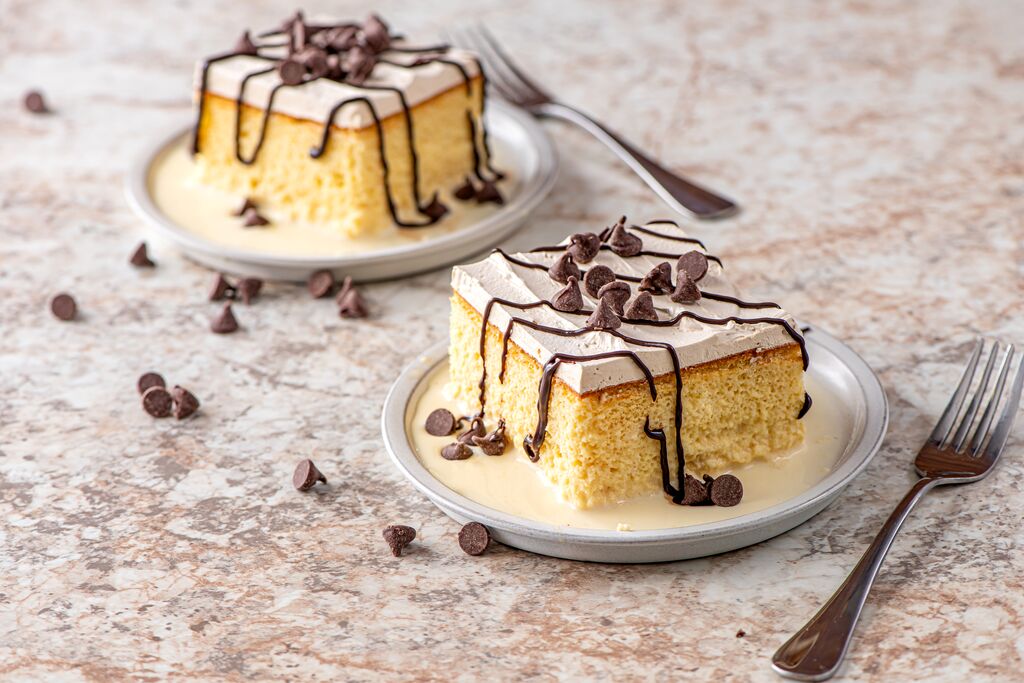
What sets it apart is the texture. The sponge is soaked through with milk yet stays soft and holds its shape, giving a moist, creamy, melt-in-the-mouth bite that most cakes cannot match. It is rich without being overly sweet, it can be made a day ahead, and it takes flavours and toppings beautifully, which makes it a favourite for both home cooks and professional bakeries.
References and Citations
Nestlé Historical Archives – The Story of Condensed and Evaporated Milk
Food and Agriculture Organization (FAO) – Dairy Production and Products: Milk and Milk Product
Institute of Food Technologists (IFT) – Milk Concentration and Preservation Science
Institute of Food Science and Technology (IFST) – Dairy Ingredients in Baking