Understanding Different Types of Frostings and When to Use Them
Frosting can make or break a cake. You could bake the most perfectly layered sponge in the world, but the wrong frosting choice will either overpower the flavour or collapse completely by the time it reaches the customer.
If you have ever stood in front of your prep counter wondering whether to go with a buttercream or a ganache, you are not alone. It is one of the most common dilemmas for both new and experienced bakers. And honestly, with so many types of frosting available today, it makes sense that the choice feels overwhelming.
This guide is written for baking professionals, pastry chefs, and anyone in the food business who wants a clear, practical breakdown of the different types of frosting on cake, how each one behaves, and exactly when to reach for which one. Think of this as a conversation with an experienced pastry mentor sitting right across from you.
What is Frosting, and How is it Different from Icing?
This question comes up constantly, and it is worth settling once and for all. Frosting and icing are often used interchangeably, but they are not the same thing.
Frosting is thick, creamy, and spreadable. It is designed to coat, fill, and decorate cakes and cupcakes generously. It holds its shape well when piped and has a soft, rich texture that stays on the surface of the baked good.
Icing, on the other hand, is thinner and more fluid. It is typically poured or drizzled, and it hardens as it cools. Think of the crisp shell on a glazed doughnut or the white lines on a cinnamon roll. That is icing.
According to WebstaurantStore, a leading food service resource, frosting tends to be thick and creamy, while icing is thin and hardens when cooled. Both are staples in professional and home bakeries, but they serve different purposes.
So when you are decorating a celebration cake or piping rosettes on cupcakes, you want frosting. When you are adding a quick glaze or detailed line work to cookies, icing is your go-to.
Also Read: Cream Cheese Frosting: Common Mistakes & How to Fix Them
What Are the Main Types of Frosting Every Baker Should Know?
Let us walk through each type of frosting in detail. We will cover what makes each one unique, how it is made, and when it works best.
| Frosting Type | Texture | Best Used On | Skill Level |
| American Buttercream | Thick, sweet, buttery texturecreamy | Cupcakes, sheet cakes | Beginner |
| Swiss Meringue Buttercream | Silky, light, airy | Wedding cakes, layered cakes | Intermediate |
| Italian Meringue Buttercream | Very smooth, stable | Elaborate tiered cakes | Advanced |
| Cream Cheese Frosting | Tangy, spreadable | Carrot cake, red velvet | Beginner |
| Whipped Cream Frosting | Light, delicate | Fresh fruit cakes, mousses | Beginner |
| Ganache | Rich, glossy, dense | Chocolate cakes, truffles | Intermediate |
| Fondant | Firm, smooth, sculptable | Wedding, novelty cakes | Advanced |
| Royal Icing | Hard when dry, smooth | Cookies, gingerbread | Intermediate |
| Ermine Buttercream | Fluffy, less sweet | Red velvet, sponge cakes | Intermediate |
| Seven-Minute Frosting | Marshmallow-like, glossy | Layer cakes, coconut cake | Intermediate |
1. American Buttercream – The Everyday Workhorse
If you have ever made frosting at home, chances are you started with American buttercream. It is the most straightforward of all the types of cake frosting. You simply beat together butter and icing sugar, add a splash of milk or cream, and flavour it as you like.
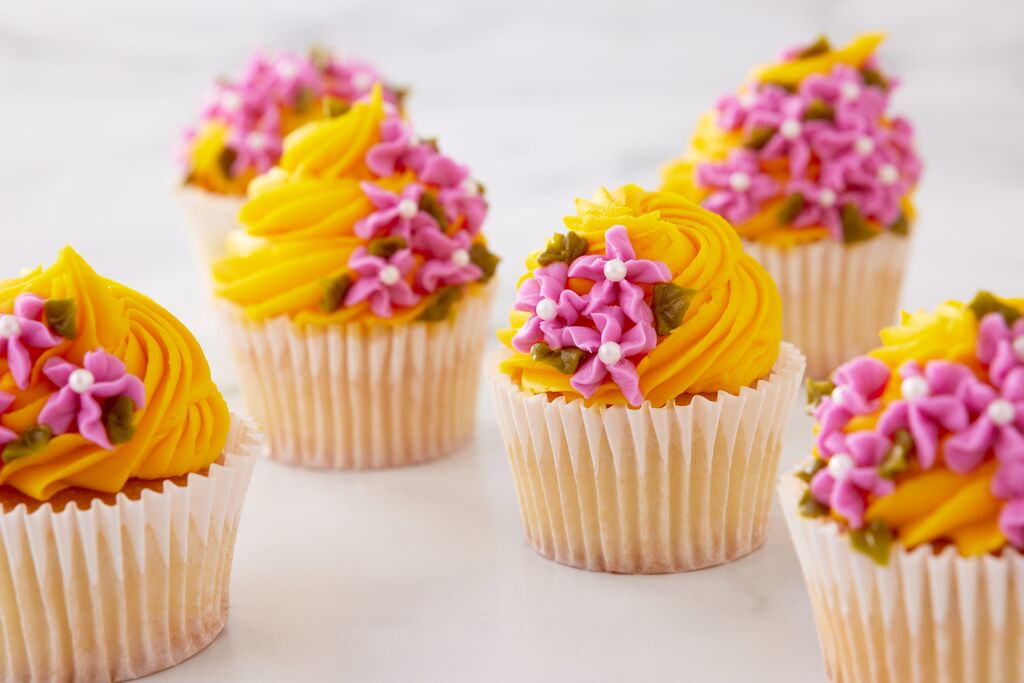
The result is thick, very sweet, and quite easy to pipe into rosettes, swirls, or borders. It pipes beautifully for types of frosting designs on cupcakes and layer cakes.
Best for: Cupcakes, birthday cakes, sheet cakes, quick-turnaround orders.
Watch out for: It can feel very sweet to those who prefer a more restrained flavour. In warm weather, it can become soft and lose its shape. Always chill the finished product if it needs to hold for a few hours.
Beginner-friendly: Absolutely. You do not need specialised equipment beyond a good mixer.
2. Swiss Meringue Buttercream – The Elegant Choice
Swiss meringue buttercream, or SMBC, is where things start to get more sophisticated. You begin by gently heating egg whites and sugar together over a double boiler, then whip them into a stiff meringue, and finally add cubed butter slowly until the mixture transforms into something silky and cloud-like.
It is less sweet than American buttercream, which means the flavour of the cake actually comes through. It pipes beautifully, holds detail well, and has a refined finish that makes it a favourite for wedding cakes.
Best for: Wedding cakes, layered cakes, elegant celebrations.
Watch out for: It requires a thermometer and a candy-cooking stage, so beginners may find it tricky at first. Also, in very hot kitchens, it can become soft.
King Arthur Baking describes Swiss meringue buttercream as one of the most versatile and refined options, known for its perfectly smooth, silky finish.
3. Italian Meringue Buttercream – The Stable Professional
Italian meringue buttercream takes things a step further. Instead of heating the egg whites and sugar together, you pour hot sugar syrup (cooked to a precise temperature) into whipped egg whites as they beat. This cooks the eggs more thoroughly, giving you a meringue that is more stable than its Swiss counterpart.
The final buttercream is incredibly smooth, stable even in warm conditions, and has a mild sweetness that pairs beautifully with fruit flavours and floral notes.
Best for: High-humidity environments, tiered cakes that need to travel, elaborate decorative work.
Watch out for: You need a sugar thermometer and experience with hot sugar. It is not a beginner frosting, but once mastered, it is one of the most reliable of all the types of frosting.
4. Cream Cheese Frosting – The Tangy Crowd-Pleaser
Cream cheese frosting holds a special place in bakery culture. It is the natural companion for carrot cake and red velvet, and for good reason. The tanginess of cream cheese cuts through the sweetness of the sugar and plays beautifully against rich, spiced sponges.
Making it is similar to American buttercream. You beat cream cheese and butter together, then add icing sugar and flavouring. The result is smooth, pipable, and full of personality.
Best for: Carrot cake, red velvet, banana bread, spiced sponges.
Watch out for: Cream cheese frosting is softer and more prone to weeping, especially in warm conditions. It also does not pipe as stiffly as buttercream, so very detailed work can be challenging.
5. Whipped Cream Frosting – Light and Fresh
Whipped cream frosting is exactly what it sounds like. Heavy cream is whipped to stiff peaks, often sweetened and sometimes stabilised with a little gelatin or cream of tartar to help it hold its shape longer.
It is light, airy, and refreshing. For those who find buttercream too rich, whipped cream frosting is the answer.
Best for: Fresh fruit cakes, mousse cakes, cream rolls, desserts that are served immediately or kept chilled.
Watch out for: It is the most delicate of all the types of cake frosting. It does not travel well, cannot sit at room temperature for long, and will melt quickly. Always refrigerate cakes with whipped cream frosting right up until service.
6. Ganache – Rich, Glossy, and Deeply Chocolatey
Ganache is made by combining hot cream with quality chocolate. As it cools, it thickens. Depending on the ratio of cream to chocolate, it can be poured as a glaze, whipped into a frosting, or set firm enough to roll into truffles.
A higher chocolate-to-cream ratio gives you a firmer ganache, while more cream creates a pourable glaze. Whipped ganache, where the cooled ganache is beaten until fluffy, is a beautiful alternative to buttercream.
Best for: Chocolate cakes, tart glazes, truffle centres, dramatic drip finishes.
Watch out for: Temperature control is everything with ganache. Too warm and it pours off the cake. Too cold and it sets before you can work with it.
Ganache is also one of the best types of frosting for chocolate cake, giving a deep, intense flavour that simple buttercream cannot match.
7. Fondant – The Sculptor’s Medium
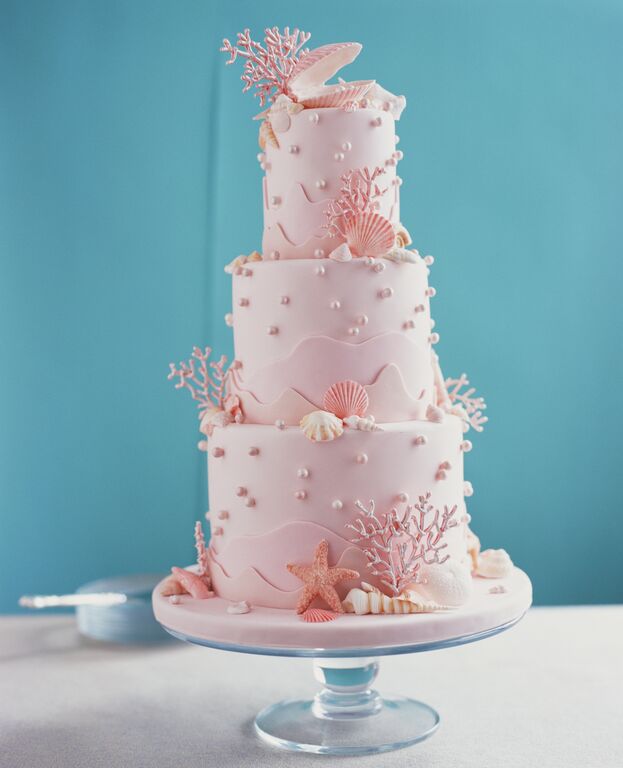
Fondant is less about flavour and more about form. It gives cakes a perfectly smooth, polished surface that no other frosting can achieve. It is also the medium for sculpted decorations, flowers, figurines, and architectural cake details.
Rolled fondant is the most common type. It is kneaded until pliable and then rolled out and draped over a crumb-coated cake. Poured fondant, which is thinner and used for glazing petits fours, is a separate variety.
Best for: Wedding cakes, novelty cakes, tiered display pieces, fondant-sculpted decorations.
Watch out for: Fondant can feel quite sweet and has a texture that not everyone enjoys eating. Many professional bakers use it purely for aesthetics, layering it over a base of buttercream to keep the eating experience pleasant.
8. Royal Icing – Precision and Detail Work
Royal icing is made from icing sugar, egg whites (or meringue powder), and a little water. It starts quite fluid, dries completely hard, and can be tinted in virtually any colour. It is the gold standard for cookie decoration and intricate line work.
You can flood cookies with a thin royal icing and allow it to set, then pipe finer details on top. The effect is a clean, professional finish that looks almost painted.
Best for: Sugar cookies, gingerbread houses, detailed cake decorations, biscuits for events.
Watch out for: Royal icing is unforgiving. Once it dries, it is very hard to adjust. Work quickly and keep unused portions covered tightly to prevent drying.
9. Ermine Buttercream – The Old-Fashioned Classic
Ermine buttercream, also called flour buttercream or boiled milk frosting, is not as well-known as the others but deserves far more attention. You start by making a thick pudding base from flour, milk, and sugar, allow it to cool completely, and then beat it with butter until light and fluffy.
The result is a frosting that is notably less sweet than American buttercream. It has a gentle, milky flavour that pairs exceptionally well with red velvet and classic vanilla sponge.
Best for: Red velvet cake, vintage-style bakes, recipes where you want a restrained sweetness.
Watch out for: The flour base needs to be completely cool before you add the butter, or the whole thing will split. Patience is the main requirement here.
10. Seven-Minute Frosting – Fluffy and Glossy
Seven-minute frosting is named after the time it takes to make. You whip egg whites and sugar together over a double boiler for seven minutes until the mixture becomes thick, marshmallow-like, and glossy.
It does not contain any butter or fat, which makes it unique among the types of cake frosting. It is light, sweet, and has a beautiful sheen.
Best for: Coconut cake, lemon cakes, any bake where you want a cloud-like, meringue-style finish.
Watch out for: It must be used the same day. It does not store well and will begin to weep or deflate if left overnight.
Also Read: What Is The Difference Between Whipping Cream And Fresh Cream?
What Are the Best Types of Frosting Designs You Can Create?
The frosting you choose also determines what kinds of types of frosting designs are achievable. Each frosting has its own piping personality.
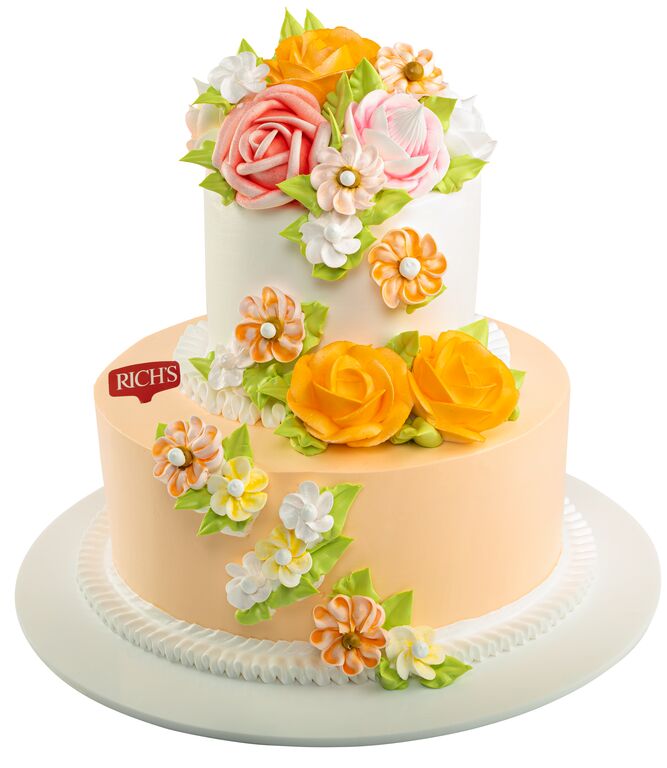
American buttercream and cream cheese frosting hold a stiff peak and are ideal for classic rosettes, ruffle borders, and petal piping. Swiss or Italian meringue buttercream produces smoother, more refined results and is perfect for semi-naked finishes, textured combing, and clean palette knife work.
Ganache gives you the dramatic drip effect that has become iconic in contemporary cake design. Royal icing is your tool for fine linework, lace patterns, and intricate cookie art. Fondant opens up three-dimensional work entirely.
Seven-minute frosting and whipped cream create softer, more casual finishes that suit rustic or naked cake styles beautifully.
Matching your design ambition to the right frosting’s structural properties will save you hours of frustration at the bench.
What Are the Best Types of Frosting for Chocolate Cake?
Chocolate cake presents a wonderful pairing challenge. The frosting needs to complement the depth of the cocoa rather than compete with it.
| Frosting | Chocolate Intensity | Texture |
| Chocolate Ganache | Very rich, deep cocoa | Glossy, dense |
| Chocolate Buttercream | Sweet, mild cocoa | Thick, spreadable |
| Chocolate Fudge Frosting | Intense, fudgy | Dense, firm |
| Dark Chocolate Swiss Meringue | Balanced, sophisticated | Silky, light |
Chocolate ganache is arguably the finest partner for a rich chocolate sponge. The two together create an intensely chocolate experience that is hard to beat. Chocolate buttercream is the more accessible version, and chocolate fudge frosting (made with melted chocolate, cream, and butter cooked together) adds a denser, almost brownie-like richness.
Dark chocolate Swiss meringue buttercream splits the difference beautifully. It has the sophistication of a meringue-based frosting with a deep cocoa undertone that complements rather than overwhelms.
For a lighter touch, vanilla Swiss meringue buttercream on a chocolate sponge creates a striking contrast in both colour and flavour. The same goes for salted caramel buttercream, which has become a beloved pairing with dark chocolate cakes.
How Do You Choose the Right Type of Frosting for Your Cake?
The honest answer is that there is no single rule. It depends on several factors that you need to think through before you open your mixer.
Consider the flavour profile of your sponge first. A delicate chiffon cake can be overwhelmed by a very sweet, heavy buttercream. A robust carrot cake can handle the tang of cream cheese frosting. A chocolate fudge cake deserves something with intensity.
Think about the occasion. Wedding cakes generally call for something refined and stable, like Swiss or Italian meringue buttercream, or the smooth look of fondant. Everyday celebration cakes are perfectly happy with American buttercream, which is quick, reliable, and beloved.
Consider your working environment. If your kitchen runs hot, ganache and whipped cream frosting will give you trouble. American buttercream and Italian meringue buttercream are more heat-tolerant.
Think about your client’s preferences too. Some people actively dislike fondant or find very sweet frostings cloying. Knowing your customer is part of being a good baker.
Which Type of Frosting is Best for Beginners?
If you are just starting out in professional baking or training a junior member of your team, begin with American buttercream. It is forgiving, quick to make, and produces beautiful results without requiring specialist techniques.
Cream cheese frosting is another excellent starting point, particularly if your bakery features carrot cake or red velvet. It comes together in minutes and needs no cooking.
Once you are comfortable with those, Swiss meringue buttercream is the logical next step. It will teach you about meringue stability and introduce you to temperature-sensitive techniques that form the foundation of more advanced work.
Leave fondant and Italian meringue buttercream until you have a solid base of experience. They reward patience and practice, but they are not where you want to begin when you are still learning the fundamentals.
What is a Good Substitute for Frosting When You Are in a Pinch?
Sometimes you need a quick alternative. Perhaps you have run out of butter, or a client has a dietary restriction that rules out your usual recipe. There are several excellent substitutes depending on what you need.
A simple glaze made from icing sugar and citrus juice works beautifully on loaf cakes and Bundt cakes. It gives a delicate sweetness without the richness of a full frosting.
Whipped mascarpone, sweetened and flavoured, can stand in for cream cheese frosting with a slightly more luxurious texture. Stabilised whipped cream works as a lighter alternative to buttercream on cakes that will be served quickly.
For dairy-free clients, coconut cream whipped to stiff peaks is a surprisingly effective substitute. It has a mild coconut flavour that can be masked with vanilla or other extracts. Dairy-free buttercream made with vegetable shortening or plant-based butter also works well, though the flavour is slightly different.
Why Rich’s Products Make Every Type of Frosting Better
At Rich’s, we understand that the best frosting begins with the best ingredients. Our range of whipping creams, dairy and non-dairy alternatives, and baking solutions are trusted by bakery professionals across the globe because they deliver consistent results, session after session.
Whether you are whipping ganache, churning out batch after batch of Swiss meringue buttercream for a wedding season, or filling a case of cream-topped pastries, Rich’s products are formulated to give you the stability, flavour, and texture that professional baking demands.
Your frosting choice matters. The ingredients behind it matter just as much.
Frequently Asked Questions (FAQs)
1. What is the most popular frosting?
American buttercream is widely considered the most popular frosting, particularly in commercial bakeries and home kitchens. It is quick to make, easy to pipe, and pairs well with virtually every type of sponge. Its sweetness and versatility have kept it the top choice for cupcakes, birthday cakes, and celebration bakes for decades.
2. What is the difference between icing and frosting?
Frosting is thick, creamy, and designed to coat and decorate cakes generously. Icing is thinner and more fluid. It is poured or drizzled and hardens as it dries. Icing is commonly used on cookies, doughnuts, and as fine decorative lines. Frosting stays soft and spreadable. The terms are sometimes used loosely, but this distinction helps you choose correctly for any baking task.
3. Which is better, frosting or buttercream?
Buttercream is actually a type of frosting, not a separate category. When people ask this, they are usually comparing buttercream to other options like ganache or whipped cream. The answer depends entirely on your recipe and occasion. Buttercream is the most versatile and stable for everyday cakes. Ganache suits rich chocolate bakes. Whipped cream works best when lightness and freshness are the priority.
4. What is another word for frosting?
Frosting is also commonly called icing, although the two are technically different. In professional bakery language, you may also hear the terms topping, covering, or finish used. In the UK, ‘icing’ tends to be the more common term for what Americans call frosting. ‘Glaze’ refers specifically to thin, pourable coatings that harden.
5. What is a substitute for frosting?
Excellent substitutes include a simple icing sugar glaze with citrus juice, whipped mascarpone, stabilised whipped cream, or coconut cream for dairy-free options. For those avoiding sugar, a cream cheese and honey blend can also work well. The best substitute depends on the texture and flavour profile you need for the finished bake.
6. Which frosting is best for beginners?
American buttercream is the best starting point for beginners. It requires just butter, icing sugar, milk, and flavouring, and it comes together in minutes with a standard mixer. Cream cheese frosting is another beginner-friendly option. Both are forgiving, easy to colour, and produce beautiful results without requiring specialist knowledge or equipment.
References & Citations
KitchenAid. Types of Frosting for Cakes and Desserts. KitchenAid.
King Arthur Baking. A Breakdown of Every Cake Frosting. King Arthur Baking Company.
WebstaurantStore. 12 Types of Frosting: The Definitive Guide. WebstaurantStore.
BakerPedia. Frosting and Icing. BakerPedia.
Institute of Food Science and Technology (IFST). Food Science Resources. IFST.
American Cake Decorating. Frosting Techniques and Trends. American Cake Decorating.
Food Business News. Bakery and Frosting Industry Trends. Food Business News.